
Powdery mildew on roses is a common problem that frustrates many growers. It damages rose leaves, weakens plants, and ruins the appearance of blooms if not treated promptly.
Growers often ask, “What causes powdery mildew on roses?” and “How to treat powdery mildew on roses?” If you run a rose nursery, supply agricultural inputs, offer horticultural services, or sell garden supplies, solving this issue is key to keeping roses healthy and boosting profits.
This guide explains what powdery mildew is, its symptoms, what causes powdery mildew on roses, and effective treatment methods—both organic and chemical. You’ll get simple, practical tips to treat and prevent this common rose disease, tailored for agriculture and horticulture professionals.

Powdery mildew on roses is a frequent fungal issue that appears as a white or gray powdery substance on leaves, stems, and buds. It is most common in mild, dry climates and can stunt growth or ruin blooms. Most roses are susceptible to this fungus, but some of the newer hybrids are more resistant. It is caused by a fungus that disperses itself through airborne spores and can take hold and grow rapidly when plants are crowded or in the shade. Routine inspections catch signs quickly. Good air flow, right spacing, and watering can help stop it. If you want healthy roses, understanding how powdery mildew spreads and how to treat it is vital. The information below discusses methods for identifying, addressing, and preventing powdery mildew on roses.
What is Powdery Mildew?
Powdery mildew is a frequent fungal foe of roses and many other susceptible plants. This disease manifests as white powdery spots on leaves, stems, and buds. Although it may seem like a minor cosmetic issue initially, the infection can severely weaken rose plants, leading to yellowing leaves, distortion, and premature dropping. Ultimately, prolonged heavy infections can cause lower flowering, stunted growth, and a weakened plant condition.
1. The Fungus
A few fungi cause rose powdery mildew, but on roses, Podosphaera pannosa is the primary offender. This fungus overwinters by holding on to infected buds, twigs, and fallen leaves. Spores are a big part of the disease’s spread. They move by wind or water and settle on new plant tissue, initiating new infections. Warm, humid conditions, particularly warm nights or after heavy dew, enable the fungal growth to flourish. Understanding how the fungus operates is critical to quenching its spread in your garden.
2. The Symptoms
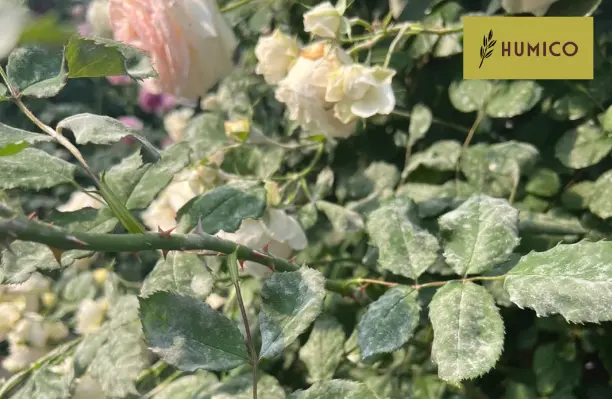
Initial symptoms of rose powdery mildew appear as white, powdery blotches on new leaves, young stems, and buds. If unchecked, these spots can spread rapidly, leading to severe powdery mildew. Eventually, infected leaves may yellow, curl, or appear distorted, while stunted buds could fail to open properly, resulting in a decline in flower counts. Catching these symptoms early aids in controlling outbreaks before serious damage occurs.
3. The Lifecycle
Powdery mildew begins with spore germination, leading to mycelium growth on rose plant surfaces. This white powdery fungus forms conidia that detach, initiating new infections. Multiple cycles can occur during the growing season, especially in warm temperatures and high humidity. Tiny, black chasmothecia help the fungus survive winter. Understanding this cycle enables gardeners to effectively disrupt the cycle of infection.
4. The Conditions
High humidity, poor airflow, and crowded rose plants create the perfect environment for powdery mildew, specifically the white powdery fungus. Warm days with cool, damp nights facilitate fungal growth, leading to severe powdery mildew outbreaks in overcrowded gardens or shaded areas. By monitoring local weather and spacing roses well, you can reduce the risk of rose disease problems.
5. The Confusion
Powdery mildew, a common plant disease affecting species like the rose plant, appears as a white powdery fungus on the surface of young leaves and foliage. Understanding the differences between powdery mildew and downy mildew is crucial for effective treatment, as mistaking them can lead to improper management and further infection.
What Causes Powdery Mildew?
Powdery mildew on roses begins with a fungus known as Podosphaera pannosa, a significant cause of rose disease problems. This fungus requires a host to thrive, so it commonly overwinters within rose buds, leaves, twigs, and even plant detritus. It employs tiny black fruiting bodies called chasmothecia to survive the cold months. When spring arrives, infected buds may appear white and stunted, already loaded with fungal spores that can lead to severe powdery mildew issues.
Here’s how the spores spread. Wind is the primary agent, carrying the microscopic spores from one plant to another, but insects and splattering rain can contribute as well. Just a light breeze or an aphid party can jump the infection powdery mildew all over a row of roses. The fungus does not require water to spread, which is why it flourishes even during dry periods if the air is humid, making it a persistent threat to rose plants.
Humidity and temperature play a significant role in how quickly powdery mildew proliferates. The disease thrives when the air is damp, and nights with heavy dew or persistent humidity allow conidia, the infectious spores, to germinate and establish. It thrives in temperatures ranging from 18°C to 29°C (65°F to 85°F). While it can appear anytime, it is most prevalent in cool, cloudy, dry weather, especially in susceptible plants growing in tight clumps where bad air circulation is common.
Sweeping up the garden is one giant step to ceasing the spread of this white powdery fungus. Old leaves and twigs can harbor chasmothecia, so removing plant debris and pruning diseased branches can prevent the fungus from overwintering. Increasing the spacing of plants for better air circulation and raking up leaves can go a long way in managing this issue.
Certain habits can exacerbate the problem. Overhead watering, for instance, can splash spores onto healthy leaves and increase the humidity of the air surrounding plants, providing the fungus a greater opportunity to propagate. While you cannot control the humidity, keeping the foliage dry and watering at the soil level instead of overhead can help avoid this problem.
How to Treat Powdery Mildew
How to treat rose powdery mildew on roses requires both rapid response and intelligent decisions. Fungal spores, particularly from the white powdery fungus, are quick to spread, so these early steps can prevent serious damage. Raking diseased leaves, cutting off infected stems, and clearing fallen debris restricts the disease. Be sure to always discard diseased material in a debris bin or burn pile — never leave it near the garden or compost it without heat. Pruning susceptible plants for better airflow and raking up fallen leaves reduces the chance of mildew’s return next season. More about treating powdery mildew: Integrated pest management combines these steps with other strategies, giving roses the optimal opportunity to thrive.
Organic Methods
- Immediately prune all affected leaves and stems. Prune crowded branches to increase air circulation through your plants and reduce fungal transmission.
- Use sulfur-containing sprays, such as lime sulfur, when temperatures are between 18°C and 29°C (65°F and 85°F). Mix one part lime sulfur with nine parts water for dormant sprays if mildew was bad last year.
- Prepare a baking soda solution using 5 grams (1 teaspoon) of baking soda per liter of water, with a drop of mild soap. Banish powdery mildew. Spray on minor infections; it is safe for home use.
- Coat and kill mildew spores with mineral oil, neem, or similar plant oils. These might require weekly applications to be most effective.
- Spray leaves and canes two to three times weekly with a strong jet of water to knock mildew off. This should be done during the early afternoon so the plants get a chance to dry before night.
- Spray organic treatments frequently to forestall disease, particularly after rain or in humid weather.
Chemical Options
| Fungicide Type | Pros | Cons |
| Systemic Fungicides | Long-lasting, penetrates plant tissue | May harm beneficial insects, risk resistance |
| Contact Fungicides | Immediate effect, easy to find | Needs frequent use, washes off in rain |
| Sulfur-Based | Low toxicity, organic approved | Less effective in cool or hot weather |
When using chemical fungicides for rose powdery mildew, safe application involves carefully reading and following all label directions. Since these products can be hazardous to bees and beneficial insects, it’s best to spray early in the morning or late in the evening. Watch for side effects like leaf burn or stunted growth and thoroughly examine your rose plants after treatment.
Application Wisdom
| طريقة التطبيق | Best Timing | Notes |
| Spraying (organic or chemical) | Early morning, evening | Improves safety for pollinators |
| Water hosing | Early afternoon | Allows quick drying |
| Oil sprays | Dry, mild weather | Repeat if needed |
Be sure to cover all leaves, stems, and buds of your rose plants when spraying for rose powdery mildew. Alternate treatments reduce resistance to the white powdery fungus. Make notes on what, when, and how you treat to monitor what works best.
Long-Term Rose Health
Long-term rose health is a combination of practices that keeps powdery mildew, particularly rose powdery mildew, and other common diseases at bay. Gardeners who prioritize soil health, select hardy varieties, and implement intelligent planting practices can anticipate healthier, hardier rose plants. Sustainable care is not just about putting out fires; it is about building a framework that keeps roses flourishing season after season, effectively managing disease problems like fungal growth.
- Prune roses to increase airflow and reduce disease.
- Remove diseased leaves and debris to stop spread
- Favor resistant cultivars for lasting protection
- Use fungicides wisely, especially when risk is high
- Water with care, using spray only when needed
- Test and amend soil for good root health
- Space plants well for air and light
- Monitor roses often and act early to manage issues
Soil Care
Deep, rich soil is the foundation of robust roses, helping prevent issues like rose powdery mildew. Well-draining soils are crucial as they prevent roots from sitting in excess water, which can lead to plant damage and increase susceptibility to various disease problems. Roses thrive in soils that do not become soggy after rains, which can promote fungal growth such as the white powdery fungus that affects young leaves.
Soil testing can often help identify if nutrients are low or the pH is off. Soil tests tell you what to add so roses can get just what they need to thrive. Organic matter, like compost, well-rotted manure, حمض الدبالية, حمض الفولفيك, حمض أميني, مستخلص الأعشاب البحرية أو الشيتوزان قليل السكاريد, helps the soil retain the proper ‘tilth’ and nourish the plants for the long haul.
Don’t overwater. Maintain the soil moist, never waterlogged. Mulch helps retain moisture and allows the air to circulate through the soil, preventing disease at its root.
Resistant Varieties
- ‘Carefree Spirit’: Strong against powdery mildew, easy to keep.
- ‘Knock Out’ grows well, needs little care, and resists many diseases.
- ‘Home Run’: Tough, with high mildew resistance and good for many climates.
- ‘Bonica’: Shows less mildew, blooms often.
Disease-resistant roses provide the finest long-term results, particularly against issues like rose powdery mildew. By selecting varieties that suit local conditions of weather and soil, gardeners can reduce the need for sprays and decrease disease problems, ultimately leading to less strain for both flora and farmers.
Smart Planting
Give your bushes room. Air needs to circulate. This reduces humidity, which powdery mildew loves. Sunlight is crucial. Roses require a minimum of six hours of sun daily. Shade weakens them and leaves them more susceptible to disease.
We tried planting herbs like garlic or chives nearby. These can assist in keeping pests and some diseases at bay. Choose a location that is sunny most of the day and drains well. If roses are too near walls or trees, they may not dry out after rainfall, which can increase the risk of mildew.
The Microclimate Factor
Microclimates have a significant impact on rose powdery mildew on roses. Even a tiny garden can exhibit microclimates where the air, light, and moisture differ. These changes can affect the rate of mildew growth or its susceptibility to initiate. For instance, a rose bush leaning against a wall might stay warmer at night, while a plant tucked in a corner gets less wind and retains more moisture-laden air. These tiny shifts can make one section of a garden far more perilous for disease problems than another just yards away.
Fences, sheds, and even other plants can obstruct or reduce wind, minimizing air movement. When air stagnates, moisture doesn’t evaporate quickly, creating ideal conditions for fungal growth. High humidity and low airflow are exactly what powdery mildew thrives on. Thick hedges, stacked pots, and even big trees can trap dampness near the ground. This applies to city gardens as well as rural yards. In urban horticulture, buildings and hard pathways retain warmth and moisture, intensifying mildew issues. Conversely, in the countryside, hills or ditches may cause one patch to be cold and damp while another remains dry and sunny.
Gardeners can mitigate mildew threats by carefully examining their garden arrangements. Identifying areas where air is stagnant or where the sun is absent for most of the day is crucial. It’s also beneficial to observe if rain puddles in one corner or if certain plants remain perpetually wet. Considering how the garden shifts throughout the day can aid in managing these conditions. A little morning sun can dry leaves much faster, while shaded spots can become a haven for infection powdery mildew.
To cure microclimate issues, open up congested areas by thinning dense plants or relocating obstacles that stifle the breeze. Space roses so air can flow between them and grab locations with morning sun. Modify soil or plant grass to absorb additional water in low areas. In chilly locations, employ walls or rocks to conserve warmth for plants. In hot, dry climates, tree shade can assist in keeping roses cool and less stressed, which reduces mildew.
My Personal Philosophy
An organic gardening philosophy influences how rose care is addressed, particularly in relation to managing rose powdery mildew. This involves considering the entire plant, its position within the garden, and the ecosystem. Powdery mildew doesn’t just begin from one source; it’s derived from a combination of climate, earth, and wind. When gardeners see the full picture, they can identify early warning signs and maintain robust roses. For instance, planting roses where air can circulate and sun can reach can prevent the white powdery fungus before it begins. Composting, keeping the soil damp but not wet, and pruning old leaves all assist the plant in combating disease problems. Every incremental step counts. That is the crux—gardening is a system, and all has its function.
Finding the right balance between organic and chemical treatments is key when fighting plant diseases like powdery mildew. Some gardeners use sprays made from milk, baking soda, or neem oil, which can help slow mildew and are safe for bees and other helpful insects. Other times, chemicals like sulfur or foliar fungicides are needed if the mildew spreads rapidly. Each method has its ups and downs. Organic ways are safe and gentle on the earth, but they may need more time and care. Chemical options act fast, but overuse can hurt the soil and pollinators. Good gardeners weigh the risk and the need. No one answer fits every garden, so it helps to stay open to both choices.
The education doesn’t end in the garden. Each season spurs new learnings about managing rose disease problems. Errors are natural to evolving. When powdery mildew appears, it’s an opportunity to inquire what went wrong and how to do better next time. Taking notes, reading new research, and talking with other gardeners build smarter rose care. Willingness to change is what makes a gardener grow. Some folks stick to their ways, whereas others experiment. Both approaches can work, but being prepared to pivot is often the secret to lasting victory.
Gardening is no solitary task. Giving tips, seeds, and stories to others creates this great community. When gardeners discuss what works and what flops, we all benefit. The battle against powdery mildew is simpler with shared wisdom. Community gardens, online groups, and local clubs all assist people in learning and offering support. As gardeners, we can figure out hard problems and keep our roses healthy.
Conclusion
To protect roses from powdery mildew, exercise intelligent care and check plants frequently. Good airflow, clean soil, and steady watering keep our roses strong. Inspect leaves for the onset. Wash off powdery mildew, roses, and safe sprays. Many gardeners rely on benign remedies, such as baking soda and water, to combat the fungus. Sunlight makes roses grow firm and less susceptible to powdery mildew. Space plants out. Clip old leaves. Good roses may sprout anywhere, even where mildew lurks. For additional advice or to discuss what works for you, join rose grower forums or consult with local horticulturists. Give these tips a whirl and see your roses remain vivid and fresh!
أسئلة مكررة
Can powdery mildew harm my roses permanently?
Powdery mildew, a common rose disease problem, doesn’t often kill roses but can limit plant growth and flower quality, so treat early for best results.
How do I prevent powdery mildew from returning?
To prevent rose powdery mildew, give roses air and space, prune regularly, and select disease-resistant roses while watering in the mornings to keep leaves dry.
Does the weather affect powdery mildew outbreaks?
Well, rose powdery mildew is more prevalent on warm days and cool nights, as high humidity and poor air circulation encourage fungal growth.
Are homemade remedies effective against powdery mildew?
Other gardeners swear by baking soda or milk sprays for light cases of rose powdery mildew, but these remedies are not consistently dependable. For serious infections, foliar fungicides are a better choice.
كتبه هيوميكو | Organic Fertilizer Manufacturer
المصدر الأصلي للمقالة: https://www.ihumico.com/powdery-mildew-on-roses/


