
The optimal frequency of feeding fish depends on the species, size, and level of activity. Generally speaking, once or twice a day is fine for most species. Small, active tropical fish will do well with two small feedings per day.
Larger or more sedentary species usually only need to be fed once. In addition to creating severe challenges to water quality, overfeeding can lead to major health problems. The ideal amount is whatever your pets will eat in two to three minutes.
Water temperature and the environment of their tank also have a significant impact on their feeding requirements. For example, reducing the temperature of their water can effectively reduce their metabolism.
With a little close observation of their activity and some careful portion control, you will keep your fish healthy and active for many years. We’ll walk you through easy, common sense tips to help feeding become a quick, rewarding part of your routine.
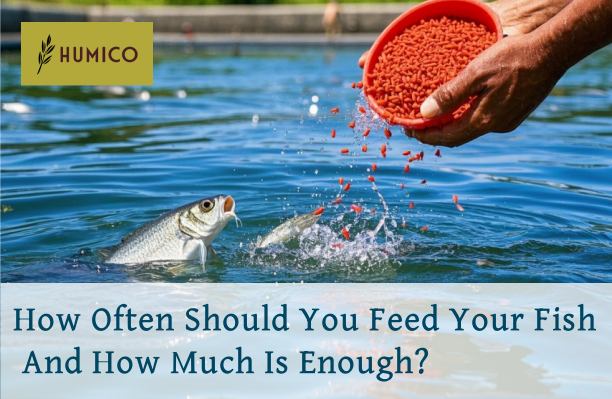
How Often Should You Feed Fish?
Feeding fish is not a universal practice; it varies by species, time of day, and dietary preferences. An aquarium feeding schedule that includes two smaller feedings is often better than one large meal. Moderation is key, as overdoing it or severely underfeeding can lead to health issues in your pet fish.
1. Consider Fish Species and Diet
Nutritional requirements differ greatly. Herbivorous species such as plecos graze throughout the day so they will need more regular, smaller feedings. Meat-eaters like bettas need high-protein foods less frequently.
Omnivores, such as guppies, easily thrive on a wide variety of foods. When feeding live or frozen foods, always try to match food types to your fish’ natural preferences for optimal nutrition.
2. Understand Fish Age and Size
Juvenile fish in particular grow fast, requiring additional and faster nutrients and more frequent feedings. As an example, fry may require feeding 3-4 times a day, while adults tend to be fine with once per day feedings.
You may need to adjust portions to avoid wastefulness while encouraging robust growth.
3. Monitor Water Temperature Effects
Of course, water temperature affects how frequently you should be feeding your fish. Warm water temperature naturally speeds the process up, stimulating appetite, while cold water does the opposite.
Natural cues, such as feeding less in the winter, nurture their circadian rhythms.
4. Observe Fish Behavior for Clues
Monitor feeding closely. No matter what else you do, be vigilant at feeding time. Quick, enthusiastic fish are a sign you’re feeding the right amount, while uneaten food or lethargic fish can be signs of over or under feeding.
For nocturnal species such as kuhli loaches, feed after lights out.
5. Recognize Signs of Overfeeding
Indicators of overfeeding in aquariums would be cloudy water, uneaten fish foods, or filters clogging up. If any of these signs are observed, reduce feed amounts by at least 50 percent.
6. Establish a Consistent Schedule
Feed on a fixed schedule, with automatic feeders if necessary. For fish awake during the day, wait about 10-15 minutes after the lights go on.
Fasting at least one day per week helps with digestion.
Determine the Right Portion Size
Feeding your fish the proper portion size is not only critical to their well-being, but an important cornerstone to maintaining a balanced aquarium system. One of the worst pitfalls is overfeeding which many people fall into. It handsomely invites everything from toxic algal blooms to health risks including fatty liver disease and bacterial infections.
To prevent this, knowing appropriate portion sizes based on your fish’s specific needs is essential.
Start Small, Observe Closely
Start with the tiniest amount of food your fish can eat in two to three minutes. For all but the largest species, this guarantees they can eat and not leave a trace. Once you’ve started feeding, observe how your fish respond—vigorous feeding and fast eating means you’ve hit the right portion size.
Add on more if your child eats everything too fast, but don’t overload. Not to mention that overfeeding is bad for fish and will hurt your water quality, too. For instance, betta fish need a slightly rounded abdomen post-meal, not a bulging belly.
Consider that fish generally take 16 to 24 hours to digest their food, so feeding once a day is more than enough.
Avoid Uneaten Food Buildup
Food waste is a pretty obvious cue that you should be serving less. When produce goes uneaten, it rots, adding to a growing supply of waste that pollutes waterways. Just like a fish tank, use a siphon to remove any uneaten bits after feedings and make it part of your daily cleanup routine.
This helps make your tank a healthy environment and your fish will be stress-free.
Adjust Based on Fish Response
Make every effort to focus on the act of eating. If fish are hammering everything in sight, increase portions a little. Decrease if they leave food behind or show signs of discomfort.
Keep a close eye on their health and behavior to adjust their diet plan as needed.
Overfeeding vs. Underfeeding
Feeding fish may seem like an easy task, but striking the proper balance in your aquarium feeding schedule is key to keeping fish happy and healthy while maintaining a clean tank environment. Overfeeding and underfeeding can create drastic problems, affecting active fish and large predatory fish in opposite manners.
Dangers of Overfeeding Fish
Overfeeding can present tremendous health hazards, such as obesity and gastrointestinal distress for fish. Liver diseases like fatty liver disease can develop, as well as digestive issues like constipation.
When uneaten food decomposes, it releases ammonia into the water, which can irritate fish and compromise their immune systems. Too much food further clogs filtration systems, lowering their capacity and increasing the chances of impaired water quality.
This commonly leads to the development of harmful algal blooms, which can consume oxygen in the tank. If your fish are exhibiting unusual things like listless movements or distended bellies, suspect overfeeding.
As a general rule of thumb, only feed fish as much as they can eat in 2-3 minutes.
Risks of Underfeeding Fish
Underfeeding has the opposite effect, leaving fish malnourished and more susceptible to disease. Obvious signs are gaunt frames, concave abdomens and muted pigmentation.
Extended underfeeding can lead to young fish suffering from stunted growth and adult fish suffering and dying from stress or disease. Some are even forced to skip meals for days on end, leading to death in some instances.
To avoid this, observe feeding habits and ensure all fish in the tank receive adequate nutrition, particularly if different species or sizes are present.
Maintain Water Quality
Feeding practices directly affect water quality. Food no longer eaten builds up in the waste, creating additional waste and putting a burden on biofiltration.
Be intentional about creating a healthy environment. Test key water parameters frequently and conduct regular water changes that keep them in check.
Overfeeding leads to filtration problems and can hinder the beneficial bacteria that are essential in biofiltration from thriving.

Feeding Juvenile vs. Adult Fish
Understanding how to create a proper feeding schedule for both juvenile and adult fish is crucial for their health. Juvenile fish require different types of quality fish foods to support their rapid growth, while adult fish benefit from a consistent aquarium feeding schedule.
Nutritional Needs of Young Fish
Young fish, or fry, have a very high growth rate and thus need very high protein diets with essential amino acids and other nutrients. High-quality foods such as crushed flakes, live baby brine shrimp, and other specially formulated fry food support rapid growth.
These nutrients act as crucial building blocks for their growth. In order to fuel their speedy metabolism, small, frequent meals—three to five meals—spread throughout the day work best. Feeding juvenile discus three times daily leads to faster, more uniform growth. You’ll be happier with the results if you feed more often.
This is why using a bare-bottom tank during the fry stages can make frequent cleaning easier, preventing uneaten food from rotting and affecting your water quality. That makes monitoring growth rates all the more important.
Not enough food and the fish will stunt its growth, too much food and the fish can develop health problems such as fatty liver disease. Increase meal size and frequency as fry grow, moving to bigger food particles as they get older.
Feeding Strategies for Adult Fish
Adult fish do well on a more mixed menu. Pellets, flakes, frozen foods, fresh veggies—all have their place in the diet depending on the species. Feeding juvenile vs adult fish Most adult fish benefit from one to two feedings a day, since their growth rate decreases.
Additionally, overfeeding can lead to unwanted weight gain and water quality issues. That’s why you need to monitor their weight and activity level closely. With large species such as the cichlids catering for larger food items makes sure they’re well fed.
Vacation Feeding Strategies
Keeping your fish fed while you are away on vacation takes a little forethought. Generally, healthy adult fish can withstand starvation for a week or two. It is not acceptable to leave them unfed for long intervals — duration depends on species, size and metabolism.
Fortunately, there are proven strategies for keeping up with their care when you go away.
Use Automatic Fish Feeders
Automatic feeders are a great way to accomplish this for regular feedings. These handy devices can dispense food automatically at set intervals, which means your fish can maintain their regular feeding schedule.
Select the right feeder to accommodate your fish’s diet. Some models are optimized for pellets, others for flakes or specialty diets. Run the feeder through a test run before heading out to ensure it will dispense the correct amount.
Note that overfeeding can negatively impact water quality. A timer is especially useful for controlling food amounts once or multiple times per day. To sidestep vacation feeding disasters, have an alternative plan in place, such as a second feeder or a reliable neighbor to keep tabs.
Pre-Portion Food for a Sitter
If someone else is caring for your pets, such as a pet sitter, pre-portioned meals make it easier for them. Use colored or clearly labeled containers. Establish specific instructions on proper amounts and feeding time.
Clear instructions are critical— e.g., “1 teaspoon of flakes, orally, once a day.” Leave ample food for their absence and mark any special dietary requirements. This strategy helps avoid unnecessary overfeeding and gives your pet sitter peace of mind that they’re doing their job correctly.
Test Equipment Before Leaving
Examine feeders, test all equipment to ensure good working order. Perform a large water change several days before to allow the tank to stabilize.
Finally, let everyone know you have a backup plan in place should emergencies arise.
Dietary Needs of Different Species
Understanding the dietary needs of your aquarium fish, including carnivores and herbivores, is vital to their health. Tailoring your aquarium feeding schedule ensures they thrive.
Research Specific Fish Needs
Each species has their own specific dietary needs. Herbivorous fish are active grazers over the course of the day. In fact, given their enormous energy demands, they require constant access to lots of small meals – mostly plants – to survive.
Conversely, carnivorous fish require much more protein-rich diets and can often be fed just once a day. Other species, such as most of our occasional nocturnal catfish or knifefish, require sinking foods provided after the tank lights have gone out.
When dealing with a specialized diet like with bettas, for example, keep a close eye on the portion sizes. If not, overfeeding can lead to dangerous bloating, so check for a fairly rounded stomach that is not quite distended.
Younger fish or slow grazers benefit from multiple tiny meals, up to five a day, or slow-dissolving foods like Repashy gel. Use quality resources or seek out experts to help you select diets that will benefit all the inhabitants of your tank.
Vary the Food Types
Providing a varied diet helps to keep your fish healthy and active. Premium pellets and flakes provide powerful nutrition in every bite. Frozen or live foods such as brine shrimp and bloodworms help owners provide enriching variety to their pets’ diet.
Herbivores can benefit from blanched vegetables such as zucchini to add enrichment and variety to their diets. Rotating food types keeps the diet more varied and interesting and helps make the nutrition more well-rounded.
Try and test to find favorite foods—some fish will prefer sinking pellets or certain frozen foods. Ultimately, keep in mind that 90% of all fish thrive on being fed just once a day—feed less if the species or activity level warrants it.
Monitor Fish Health and Behavior
Preventing the decline of your fish’s health begins with monitoring and observation. Changes to feeding patterns, swimming behaviors, and overall activity levels are often the first indicators of poor health. Understanding the dietary preferences of your pet fish can help inform the aquarium feeding schedule, ensuring a successful aquatic habitat.
Watch for Changes in Appetite
Changes in appetite can provide the most important clue into your fish’s health and behavior. A sudden drop in appetite is a primary indicator of stress or disease, potentially linked to inappropriate water conditions, like sudden temperature changes. Research conducted on stressors associated with the red-spotted grouper indicates enhanced feeding at a temperature of 77°F, increasing the importance of water temperature. Conversely, if fish eagerly consume food and seem restless, they might need slightly larger portions, particularly during warmer seasons when their metabolism is active, highlighting the significance of a proper feeding schedule.
Research, including that of Ya-fish, indicates dietary changes are key in affecting growth rates and improvements in nutrient digestion and absorption. Overfeeding can be an issue, especially with large predatory fish, as uneaten food quickly clogs filter media in as little as a few days. Keeping track of these trends in a fish-keeping journal will help you note changes over time and prevent overfeeding or underfeeding, ensuring your fish receive a quality diet.
Ultimately, understanding your fish’s dietary preferences and adjusting their feeding times accordingly can greatly enhance their health and well-being. Observing their behavior during feeding times will help you determine if they are receiving the right amount of food. This is crucial for maintaining a balanced aquarium environment and ensuring that your aquatic pets thrive, especially during their active feeding periods.
Observe Swimming and Activity
Swimming behavior is a good indication of your fish’s health. Behavior change like lethargy, slow movements, or hiding can indicate poor health or feeding problems. In contrast, active swimming is usually indicative of good nutrition and environmental enrichment.
Ensuring adequate space and enrichment, such as obstacles and living plants, allows for natural behavior to thrive and well-being to flourish. Seasonal transitions are another factor, with increased energy during the high activity levels of spring and summer underscoring the need for awareness of feeding habits.
Keeping a close eye on these subtleties will help create an enriching environment that works within their biological clock.
Adjust Feeding Based on Tank Conditions
Feeding fish isn’t a blanket approach; it varies according to the specific conditions of the aquarium. By frequently monitoring these factors, aquarists can develop a feeding schedule that maintains the well-being of their pet fish and harmony within the ecosystem.
Consider Tank Size and Population
Feeding can be greatly affected by your tank size and how many fish you keep. A smaller tank with a greater fish load will require stricter portion control. Overfeeding is one of the quickest ways to foul your water quality.
If you house herbivorous fish in a very crowded, 20-gallon aquarium, feed them a measured amount of plant material. This practice reduces the accumulation of waste in the tank. Overcrowding can mean feeding smaller amounts more often to ensure each fish gets its share without leaving excess behind.
Check waste levels. If you start to see uneaten food floating around or cloudy water, it’s time to reduce portion size or feeding frequency.
Monitor Water Parameters Regularly
Reflecting this, water quality is an important consideration in deciding how much to feed. Weekly testing for ammonia, nitrites, and nitrates will help make sure you have a healthy balanced system. Excess nitrate levels, for instance, can indicate too much feeding, meaning you need to cut back.
Similarly, in warmer months, fish are generally more active and thus metabolize food faster, possibly requiring a bit more during this period. Keep in mind that fish can live without food for several days to a week.
A day off every once in a while doesn’t do them any harm and will definitely help keep your water quality pristine! Creating feeding schedules appropriate to each life stage is important. Fry need to be fed at least once a day, but adult fish do better if fed every other day.
Best Practices for Feeding Fish
Properly feeding fish is about much more than just throwing some quality fish foods in the water. It’s all about establishing a consistent feeding schedule, learning what they require, and keeping their ecosystem balanced. By practicing these best practices, you ensure that your pet fish are living up to their full potential in their aquarium.
Feed at Consistent Times
Fish, like any other animal, do best on a routine. Feeding them at the same time every day sets up some predictability and minimizes stress. For the majority of the species, best feeding is two or three small meals spaced out over the course of the day.
Most tropical fish do best when fed small amounts every day. Nocturnal species such as kuhli loaches would be happier eating after the lights have gone out. Either with a timer or automatic feeder, maintaining this regularity goes a long way, particularly if you are on vacation.
Provide responsive feeding—fish can be trained to feeding time and will show enthusiasm, showing you they are comfortable and familiar with their schedule.
Soak Food Before Feeding
In fact, dry food can be extremely damaging to a fish’s digestive tract. Soaking the food in some water for a few minutes will soften it. This small change goes a long way in stopping bloating as well, which is all too common in many species.
Soaking time will depend; some foods only need a minute while others require a much longer soak. Watch your fish’s response—if they eagerly consume and exhibit no adverse reaction, you’ve probably discovered the right equilibrium.
Remove Uneaten Food Promptly
In addition, leaving uneaten food in the tank can greatly impact water quality. After every feeding, take all uneaten food out with a net or siphon. Fish need to be able to eat all their food within two to five minutes.
Food that is uneaten will quickly cause ammonia spikes, making it crucial to clean up quickly to guarantee a healthier living space.
Conclusion
Fish feeding is all about moderation, vigilance, and compassion. A consistent schedule is the best way to ensure the happiness and health of your fish. It’s all about portion size, what the species you’re keeping diet is in nature, and the conditions of your tank. Frequent, smaller meals prevent complications such as overfeeding or stressing the water. Each tank and species is different, and getting to know the idiosyncrasies fosters an overall more healthy environment for your aquatic friends.
Monitor to see how feeding affects behavior and change up how often you feed as necessary. Healthy, active fish should be your first indicator that you’re doing something right. Whether you’re feeding fry, full-grown fish, or just getting things together for your next vacation, a little bit of common sense can work wonders.
Want to turn feeding time into a simple and enjoyable experience? Follow these simple rules of thumb and see your aquatic buddies flourish day in and day out!
سوالات متداول
How often should you feed fish?
Feed fish once or twice daily, following an aquarium feeding schedule tailored to their needs. Small, frequent feedings enhance digestion and overall health, so aquarists should research the dietary preferences of their specific fish species to determine their nutritional variety.
How do I know the right portion size for my fish?
Make sure to feed your fish no more than they can consume in 2-3 minutes during their feeding schedule. Overfeeding can lead to waste accumulation, which may harm the water quality in your aquarium. It’s better to start with quality fish foods and gradually increase the amount.
Can overfeeding harm my fish?
Yes, overfeeding can create serious health problems such as obesity and digestive disorders for your pet fish. It adds tremendous pollution to the tank, creating toxic water conditions that stress your active fish.
How should I feed juvenile fish compared to adults?
Juvenile fish require smaller, more frequent feedings—3-4 times daily, while adult fish typically thrive with one or two feedings per day. Adjust the aquarium feeding schedule based on their activity levels and growth rates.
What should I do about feeding fish while on vacation?
Consider using an automatic fish food feeder or vacation feeding blocks for your aquarium. For shorter duration trips (2-3 days), healthy, adult fish can usually fast without issue, ensuring your feeding schedule remains consistent.
Do different fish species have different dietary needs?
Indeed, some fish eat algae, others are carnivores, and most are omnivores that eat both. Do your homework on your fish species and ensure they’re getting quality fish foods that align with their natural feeding behaviors.
How can I monitor my fish’s health through feeding?
Monitor for hesitance or abnormal behavior at feeding time, as healthy fish are active feeders and swimmers. An unusual loss of appetite or hiding away could indicate stress, illness, or bad tank conditions, affecting their health and feeding schedule.
نوشته شده توسط هومیکو | Feed Additive Manufacturer
منبع اصلی مقاله: https://www.ihumico.com/how-often-to-feed-fish/


