
Chitosan oligosaccharide (COS) is a natural, bioactive compound derived from chitin. It is famous for its high solubility and strong biological activity in plants. Many agriculture professionals are looking for natural alternatives to boost crop health, improve soil, and increase yields.Whether you are a crop grower, agricultural input supplier, or fertilizer manufacturer, understanding COS is key to developing more effective and sustainable products. This guide explains what chitosan oligosaccharide is, its molecular advantages, key benefits for plants (defense induction, growth promotion, quality improvement), and practical applications in agriculture and beyond.
Chitosan oligosaccharide is water-soluble chitosan prepared by depolymerization, which is less than 1,000 Da. It is derived from the shells of shrimp, crabs, or other crustaceans. It is employed in agriculture, food processing, and medicine due to its high bioavailability and safety profile. Its low molecular weight allows it to combine with other substances such as water or plant nutrients. Research is consistent that it can promote plant growth, wound healing, and gut health. Certain products employ it as a chemical-free preservative or within nutritional supplements. Further research is underway to discover new applications. The following sections will demonstrate how chitosan oligosaccharide functions and its significance across various applications.
What is Chitosan Oligosaccharide?
Chitosan oligosaccharide, a potent plant immunity elicitor, is a naturally-derived polysaccharide originating from chitin, an abundant component in crustacean shells and fungal cell walls. It consists of short chains of glucosamine units linked by beta-(1→4) glycosidic bonds. Characterized by an average molecular weight of below 10 kDa and a degree of deacetylation of over 90%, it plays a significant role in enhancing maize seedlings’ growth and resilience against biotic stress, making it valuable across various industries, including agriculture.
Natural Origin
Chitosan oligosaccharide, a potent plant immunity elicitor, is most commonly derived from shrimp, crab shells, and occasionally fungal cell walls. Utilizing these by-products aids in lessening waste from seafood harvesting while contributing to sustainable agriculture practices. Fungi serve as another source, which is especially beneficial for individuals who cannot consume animal products or for companies with stringent sourcing needs.
The process begins by obtaining chitin from these sources. Deacetylation strips away the acetyl groups, transforming chitin into chitosan. If you go one step further and degrade chitosan using chitosanase enzymes or chemically, you get chitosan oligosaccharides, which can enhance crop productivity.
Leveraging natural sources for seed coating formulations is perceived as sustainable. Crustacean shells and fungi are sustainable materials, and repurposing food industry waste aligns with the principles of a circular economy, promoting plant protection and health.
| Natural Source | Example | Sustainability Aspect |
| Crustaceans | Shrimp, crab shells | Uses seafood waste |
| Fungi | Mushrooms, yeasts | Renewable, plant-based option |
Molecular Structure
Chitosan oligosaccharide consists of glucosamine and N-acetylglucosamine units. These are joined in a linear chain by beta-(1→4) bonds, resulting in a simple yet versatile architecture. Its high deacetylation means there are lots of free amino groups, so it is reactive and can be used in many ways.
The chain length, or degree of polymerization, impacts its function. The shorter chains dissolve in water more readily and are more bioavailable. Molecular weight, which varies depending on the source and production method, is another factor that impacts its bioactivity.
Functional groups such as amino and hydroxyl groups contribute to its worth. They allow COS to dock with DNA, proteins, or metals, which is why it is investigated for drug delivery and as a plant growth stimulant.
मुख्य अंतर
Chitosan oligosaccharide dissolves in water at a neutral pH. Plain chitosan only dissolves in acidic water. COS is absorbed by the body far more easily, making it a better candidate for health and food applications.
COS exhibits stronger biological effects, such as antimicrobial and antifungal activity, than larger chitosan polymers. Due to its low molecular weight, it can smoothly transfer into cells and tissues.
| Property | Chitosan Oligosaccharide | काइटोसन |
| घुलनशीलता | High (neutral pH) | Low (acidic pH) |
| Bioavailability | High | Low |
| Molecular Weight | <10 kDa | >10 kDa |
| Biological Activity | Strong | Moderate |
| Applications | Medicine, food, agri | Water treatment, films |
They vary. COS is a drug delivery tool, gene carrier, vaccine, and plant health booster. More massive chitosan is used for wound dressings, water treatment, or as a food packaging material.
Benefits of Chitosan Oligosaccharide in Plants
चिटोसन ऑलिगोसैकेराइड is prized in crop systems, particularly in maize production, for its numerous benefits. It is employed worldwide to promote plant immunity, stimulate growth, and increase the quality of yield, frequently assisting growers in achieving productivity and sustainability objectives alike.
1. Elicits Defense
Chitosan oligosaccharide induces plant immunity in crop plants, fortifying their defenses against infection. As these molecules become free, they activate defense genes when applied. For instance, in tomatoes, it enhances phenylalanine ammonia lyase (PAL) activity and increases jasmonic acid (JA) production, both crucial components of plant defense. Pre-treatment with chitosan oligosaccharide can significantly limit lesion size caused by fungal invaders such as Colletotrichum sp. This potent plant immunity elicitor establishes systemic acquired resistance, arming the entire maize plants against attack, not just the spot that got sprayed. This enhanced immunity may actually result in pesticide reductions, helping to drive safer, cleaner farming.
2. Promotes Growth
Chitosan oligosaccharide, a potent plant immunity elicitor, acts as a natural biostimulant that accelerates the rate of seed germination and promotes vigorous root development in maize seedlings. It facilitates nutrient absorption and increases the content of photosynthetic pigments, which results in greener and more vigorous plants. Plants treated with chitosan oligosaccharide generally experience superior biomass accumulation, whether it is wheat in China or tomatoes across the globe, enhancing crop productivity.
3. Improves Soil
When applied to soil, chitosan oligosaccharides, a potent plant immunity elicitor, can alter its structure. They encourage the growth of beneficial microbes, rendering the soil more biodiverse and vibrant. This, in turn, aids soil in retaining more water and nutrients, which maize seedlings require to flourish, promoting sustainable agriculture in the long run.
4. Enhances Resistance
Chitosan oligosaccharide-treated plants exhibit enhanced plant immunity and are more resistant to stresses such as drought, insects, and nutrient deficiency. In both field and lab tests, it has been particularly effective against fungal disease in plants such as tomato and wheat seedlings. Treated maize seedlings frequently recover stronger from stress, and seed coatings provide as much as 46 percent protection at the beginning of growth. Over time, this resilience translates to more consistent crop yields.
5. Boosts Quality
Chitosan oligosaccharides aid in raising the quality of fruits और सब्ज़ियाँ, enhancing the total phenols in cherries post-cold storage, which translates to improved shelf life and increased antioxidants. This potent plant immunity elicitor helps crops become more visually appealing and longer-lasting, minimizing post-harvest losses and preserving nutritional content, ultimately leading to higher yields and better-looking crops in maize seedlings treated produce.
चिटोसन ओलिगोसैकेराइड पाउडर
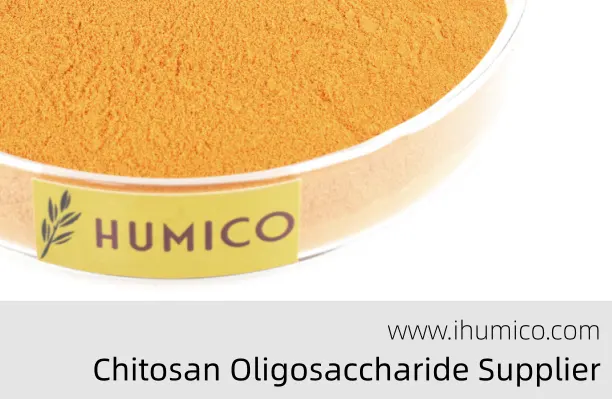
Chitosan oligosaccharide powder, a water-soluble chitooligosaccharide derived primarily from shrimp and crab shells, has the molecular formula C12H24N2O9 and CAS no. 148411-57-8. This low molecular weight poly is often more than 90% deacetylated, which bestows it with powerful biological activity, making it a potent plant immunity elicitor in agriculture. The life cycle of these products typically begins with chitin from marine shells, which is then de-acetylated through enzymatic or chemical methods into smaller units. Further processing and purification eliminate any residue, resulting in a fine, consistent powder that can be used effectively in various applications, including seed coating formulations for improved crop productivity.
Particle size and solubility are crucial factors in COS powder. Compared to regular chitosan powder, the smaller particles dissolve faster in water, simplifying mixing and application. This highly soluble powder can be utilized in sprays or solutions, making it an effective biopesticide and food additive without leaving any residue. Its versatility enhances its effectiveness in agricultural systems, promoting healthy maize seedlings and overall crop yield.
भौतिक गुण
Chitosan oligosaccharide powder is water-soluble, even at room temperature. This characteristic facilitates its usage in both liquid and powder mixtures. The powder is hygroscopic and attracts moisture from the atmosphere. Due to this, airtight storage with humidity control is necessary to prevent clumping or spoilage.
It remains stable under most conditions. High heat and light degrade it over time. In agriculture, its low molecular weight and solubility assist it in distributing evenly in soil or as a foliar spray. In food, such characteristics allow it to blend in without affecting taste or texture.
Practical Uses
- Agriculture: Boosts plant growth, speeds up seed germination, and strengthens plant immunity. Enriches soil activity with powerful beneficial microbe support.
- Food: Used as a natural preservative and additive. Acts as a prebiotic, nourishing healthy gut flora. Exhibits antioxidant activity by scavenging free radicals.
- Cosmetics: Added to skin creams for its gentle, moisture-retaining traits. It may help your skin stay soft and resist stress.
- जड़ वृद्धि को उत्तेजित करता है
- पोषक तत्वों के अवशोषण में सुधार करता है
- Increases resistance to heat, drought, and disease
- Restores healthy soil microbe balance
Beyond Agriculture: Other Applications
Chitosan oligosaccharide isn’t only for farms; its unusual characteristics find utility across numerous areas, including enhancing maize seedlings’ growth and serving as a potent plant immunity elicitor in health supplements and foods.
Human Health
Chitosan oligosaccharide is garnering interest for its role in weight management and metabolism. Research indicates it may provide a different avenue for treating obesity and metabolic syndrome by reducing fat accumulation and stimulating lipolysis. It can assist in reducing cholesterol, lending it relevance for cardiovascular well-being.
It’s involved in how the body processes sugar. Research shows it can reduce blood sugar by reducing sugar absorption and enhancing insulin sensitivity. That could make it great for insulin-resistant folks or those on the cusp of diabetes.
Its antioxidant properties assist in combating harm from free radicals. This minimizes cell stress, which can reduce chronic disease risk. Antioxidant support keeps cells healthier longer.
Gut health is yet another area of emphasis. Chitosan oligosaccharide could enhance beneficial gut bacteria growth, resulting in improved digestion and immunity. These acts demonstrate why it is being added to supplements.
खाद्य उद्योग
Food manufacturers are utilizing chitosan oligosaccharide to create safer, more enduring food products. It inhibits the growth of pathogens, such as plant fungi like Phytophthora capsici. This keeps food fresh and chemically free.
It acts as a natural preservative, so it helps the spoilage process go slower. It creates a surface barrier on foods, preventing moisture and oxygen from accelerating spoilage. That translates into extended shelf life and less food waste globally.
It can enhance food texture. In baked goods, for instance, it helps retain moisture and provides a superior mouthfeel. This way, food stays looking good longer.
Other companies apply it in bioactive films and coatings. These don’t keep food safe and they reduce packaging waste, as the films are biodegradable.
दवा वितरण
Chitosan oligosaccharide attracts attention for drug transport. Its porous structure allows it to encapsulate and release pharmaceuticals in a controlled manner, potentially increasing therapeutic efficacy.
It’s body safe and biodegradable so it’s ideal for delicate applications like wound healing and tissue regeneration. This is why it’s in everything from cosmetics to medicine.
It can assist drugs in finding the correct place in the body. When coupled to other molecules, it can direct drugs to where they are most needed, such as in cancer treatment.
Chitosan oligosaccharide can increase drug bioavailability. That’s crucial for therapies that require precise dosing or aim at elusive diseases.
The Molecular Advantage
What really sets COS apart is its unique molecular structure and positive NH3+ group charge, which enhances plant immunity. This allows it to engage directly with negatively charged membranes, like those in microbes, facilitating a broad spectrum of activity. Its structure, derived from chitin, contributes to the effectiveness of biological fungicide formulations, making COS widely compatible in both plant and human systems. The biocompatibility and biodegradability of COS further promote its utility in medical, agricultural, and nutritional products.
Superior Solubility
Cos dissolves readily in water at a broad spectrum of pH values, while many other polysaccharides require acidic conditions or special treatments. This high solubility allows COS to be mixed into sprays or feeds for crops, such as maize seedlings, where it disperses well and activates quickly. In agriculture, this property enables COS to enhance plant immunity and disease resistance, aiding plants in nutrient absorption. For humans, solubility improves nutrient absorption in the gut, enhancing the bioavailability and uptake of active ingredients. Formulators appreciate COS too, as it mixes seamlessly into tablets, gels, and beverages without residue.
Enhanced Bioactivity
COS, or chitosan oligosaccharides, is notable for strong bioactivity in both animal and plant systems. It modulates inflammation by reducing cytokines and can alter immune cell function, promoting both innate and adaptive plant immunity. In livestock, COS has been demonstrated to enhance growth, digestion, and gut health by changing the microbiota and increasing beneficial bacteria such as Bifidobacteria. Its antioxidant effect diminishes stress at the molecular level, shielding tissues from damage. Due to these impacts, COS is being examined for nutraceutical and therapeutic items such as anti-inflammatory medications and immune support formulas.
Targeted Action
COS acts in targeted ways by binding with specific receptors on cells and altering signaling pathways within cells. Such focused action aids maize seedlings in fighting disease, as the molecule can activate plant immunity responses without the use of deleterious chemicals. In medicine, COS is being investigated for drug delivery that transports drugs to specific tissues, minimizing side effects. Inflammatory diseases like joint diseases can benefit, as COS can inhibit inflammation by activating AMPK pathways, as observed in recent studies. Its specialized impact renders it useful for applications spanning from protecting crops to developing novel medicines.
Safety and Usage Guidelines
As it is water-soluble and has low toxicity, chitosan oligosaccharides are utilized in various fields, including agriculture and food processing. In the realm of agriculture, these compounds primarily assist in promoting plant immunity and combating diseases. Research indicates that chitosan is safe for crops, including maize seedlings, and does not accumulate in soil or harm water supplies when applied according to label directions. In food processing, it is most commonly employed as a preservative or freshness aid. Food safety groups in several countries have approved its small-scale use, but every nation has its own regulations.
Suggested doses for agricultural applications vary according to the indication. For farming, it’s typically recommended at 50 to 200 milligrams per liter for foliar spray or seed soaking. More isn’t always better and can even harm plant health or waste resources. In food applications, levels are generally low, usually under 3 grams per kilogram of the food item. Using the proper technique is crucial; foliar sprays, seed coatings, and direct mixing into food are the most common methods. When you spray plants or dip seeds, it ensures even distribution and a potent effect against pests or diseases, enhancing the overall crop yield.
Quality control is imperative for all chitosan oligosaccharide products. Batch testing for purity, pH, and degree of polymerization helps maintain the safety and stability of the product. For instance, sourcing raw chitosan exclusively from pristine sources, such as shellfish industrial waste, minimizes the risk of heavy metal contamination or allergens. Reputable brands will provide test results or certificates to demonstrate that their product is safe to use, especially for applications like seed coating formulations.
For Human Consumption, while the majority of people can consume chitosan oligosaccharide in small doses at low risk, side effects do occur. Certain individuals may experience stomach pain, gas, and mild nausea. This is uncommon with standard food or supplement dosages. If you have a shellfish allergy, be cautious because it can retain some shell proteins. It is not recommended for pregnant or breastfeeding mothers due to lack of long-term safety data. Mixing with certain medications, such as blood thinners, can pose issues, so it’s best to ask your doctor.
Conclusion
Chitosan oligosaccharide is known for its versatility. It aids plants in growing robust and recovering quickly from stress. In powder form, it blends well in water and sprays easily on crops. It is also applied in foods, health care, and even water cleaning. The small size of its molecules allows it to act quickly and blend deeply into what it contacts. Most tests prove it is effective, safe, and has easy guidelines for usage. For farmers, foodies, or scientists, chitosan oligosaccharide delivers true benefits. To read more or experiment, see reliable resources, shop around, and consult specialist advice for what suits you.
अक्सर पूछे जाने वाले प्रश्नों
Is chitosan oligosaccharide safe for humans and the environment?
Yes, chitosan oligosaccharides are safe for humans, animals, and the environment when applied as directed, serving as a potent plant immunity elicitor.
What makes chitosan oligosaccharide different from regular chitosan?
Chitosan oligosaccharides, recognized as potent plant immunity elicitors, have a smaller molecular size than regular chitosan, allowing for rapid solubilization in water and uptake by maize seedlings and other organisms.
Can chitosan oligosaccharide be used outside agriculture?
Yes, outside of agriculture, it’s used in food preservation, water treatment, and medicine due to its potent plant immunity elicitor and antioxidant properties.
How should chitosan oligosaccharide be applied to plants?
Chitosan oligosaccharides, a potent plant immunity elicitor, can be foliar sprayed or added to irrigation water for enhanced maize seedlings growth.
द्वारा लिखित ह्यूमिको | Organic Fertilizer Manufacturer
मूल लेख स्रोत: https://www.ihumico.com/what-is-chitosan-oligosaccharide/


