
Many pepper growers ask, “Why is my pepper plant wilting?” Wilting pepper plants are common, and they can lead to poor growth, low yields, or even plant death if not fixed quickly.
If you run a pepper farm, supply agricultural inputs, offer horticultural services, or sell grow supplies, knowing why pepper plants wilt and how to revive them is key to boosting harvest quality and profits.
This guide covers the top reasons pepper plants are wilting—from water imbalance and soil problems to pests and pathogens—plus how to diagnose the cause and revive wilting pepper plants. You’ll get simple, practical tips tailored for agriculture and horticulture professionals.
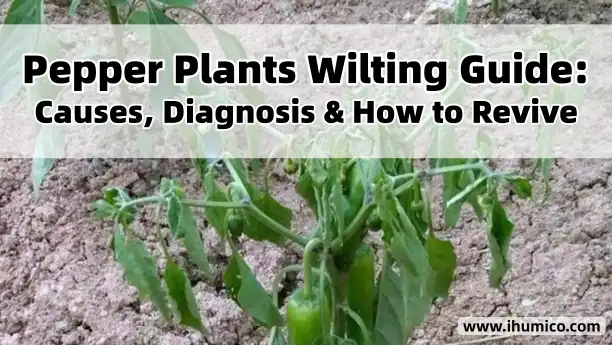
Pepper plants wilting comes as the leaves and stems begin to sag and go limp, typically indicating stress or an underlying ailment. Wilting pepper plants can be due to a variety of reasons, such as under-watering, over-watering, bad soil drainage, insects, or infection. Hot weather, sudden weather changes or water-logged soil can exacerbate wilting. Some wilting is remedied by basic care adjustments, but other times it indicates a more serious issue with roots or plant health. Recognizing the symptoms early keeps plants growing strong. In the following sections, facts and tips will reveal how to identify causes and what actions to take for healthy, upright pepper plants.
Why Your Pepper Plants Are Wilting
Pepper plants often experience wilting leaves due to various factors such as water stress plants, soil condition, or pest issues like whiteflies. Understanding these problems is essential for effective solutions.
| Cause | Example | Signs/Symptoms |
| Water Imbalance | Overwatering, underwatering | Drooping leaves, brown tips |
| Stres Lingkungan | Heat, cold, transplant shock | Limp stems, leaf drop |
| Soil Problems | Poor drainage, low nutrients, compaction | Slow growth, yellow leaves |
| Pathogen Attack | Fusarium/verticillium wilt, bacterial wilt | Sudden wilt, leaf curl |
| Pest Pressure | Aphids, spider mites | Speckled leaves, webbing |
| Nutrient Issues | Nitrogen, potassium deficiency | Pale or spotted leaves |
| Physical Damage | Wind, handling, breakage | Bent stems, torn leaves |
1. Water Imbalance
When soil dries out, the pepper plant exhibits wilting leaves primarily. Overwatering can lead to root rot, while underwatering results in a dry soil condition and pepper plant wilting. A water meter helps track soil moisture levels. Adjust watering based on weather conditions, providing less during cooler months and more in heat stress situations.
2. Environmental Stress
Excessive heat can scorch pepper plant leaves, while cold conditions can stagnate growth. Intense midday sunlight may lead to wilting leaves. After transplanting, hot pepper plants may droop due to transplant shock; providing shade for a week or two can be a beneficial solution.
3. Soil Problems
Water-logged or nutrient-poor soil can lead to pepper plant wilting, resulting in slow growth and pale leaves. Testing soil reveals your hot pepper plants’ needs. Stir in compost to enhance drainage and add nutrients, ensuring the moisture level supports healthy pepper leaves.
4. Pathogen Attack
Fusarium and verticillium wilts can severely affect pepper plants, leading to wilting leaves and reduced fruit production. Both pathogens can survive in soil for years, making it essential to pull up infected plants immediately. To prevent issues like pepper fusarium wilt, rotating crops and planting in a well-drained garden spot is crucial.
5. Pest Pressure
Aphids and spider mites feed on sap, resulting in curled or spotted leaves on your pepper plants. Check for bugs or spider mites frequently. Control with beneficial insects like ladybugs or neem oil. Tidiness is your friend; clean up your garden to prevent pests from proliferating.
6. Nutrient Issues
Yellowing or spotted leaves on your pepper plant can indicate too little nitrogen atau kalium, possibly due to heat stress or transplant shock. Soil tests allow you to select the appropriate fertilizer to support healthy fruit production.
7. Physical Damage
Wind, rough handling, or rain can break stems of the pepper plant. To prevent wilting leaves and reduce disease risk, tie up tall hot pepper plants and remove low leaves that touch the soil. Be on the lookout for broken stems or split leaves.
How to Diagnose the Cause
How to Diagnose Why Pepper Plants Wilt: Understanding the potential culprits, from soil issues to bacterial wilt or insect infestations, allows you to quickly treat your hot pepper plants and nurture them back to health.
The Soil Test
Begin with soil moisture. Insert your finger 5 cm deep into the soil. If the soil is dry, underwatering may be to blame. If it’s soggy, overwatering or poor drainage are more probable. Get a basic moisture meter for even more precision. Test the pH and nutrition with a soil test kit. Pepper plants thrive in well-drained soil with a pH ranging from 6.0 to 6.8. Poor drainage can suffocate roots of oxygen, as they become starved and wilt. To correct drainage, incorporate sand or compost.
If soil tests come back with low nutrients, then add compost or a balanced fertilizer. Record modifications and observe how the plant reacts. This history allows you to see what functions in the long term. Soil-borne diseases such as fusarium and verticillium wilt can lurk for years, so test soil if wilting persists despite change.
The Time Test
Observe the timing of wilting. If wilting occurs shortly after watering and the soil is moist, overwatering or root rot might be to blame. If it gets better after you water and the soil was dry, you have under watered.
See how long the plant takes to recover once you adjust watering or shade. A quick snap back to recovery points to environmental stress. Lingering wilting can mean disease. Wilting in the late afternoon is normal in hot weather, but if it occurs too early or persists overnight, then examine other causes more closely.
The Visual Test
Notice if any leaves are wilting, turning yellow, or spotted. Browning or black spots could indicate a fungal or bacterial infection. Inspect stems for softness, which indicates rot or wilt. Examine lower leaves. Taking them off early helps keep soil-borne disease from traveling up the plant.
Aphids or spider mites can cause leaves to curl or drop. If you observe bugs or tacky residue, address for pests. If you see wilting, but it’s not even and it’s only one side, think more along the lines of a fusarium or verticillium wilt. A lab test might be required to distinguish between them. Strong stems and firm leaves indicate the plant is healthy, while limp or weak stems indicate a deeper problem.
How to Revive Wilting Pepper Plants
There’s no universal cure-all solution for reviving wilting pepper plants. It requires a targeted strategy that aligns with the original source of the trouble, such as bacterial wilt or heat stress. A majority of problems can be corrected with some immediate care adjustments, while others require ongoing measures to maintain plant health over time. Monitoring wilting pepper plants is crucial, as you can see some pepper plants improve within days, while others take a while to recover.
Adjust Watering
Wilting is commonly caused by water stress. Pepper plants require soil that is moist, not soggy! Before watering, test the soil by feeling 2 to 3 centimeters below the surface. If it is dry, water well until the soil is evenly moist. If the soil still feels damp, skip watering, as overwatering can lead to root rot or promote fungal diseases.
Mulch, such as straw or compost, holds soil moisture constant and shields roots from heat. When mulching, keep it a few centimeters from the stem base so stems don’t rot. Establish a watering schedule according to your local climate and pepper variety. In hot, arid locations, you may have to check every day, but cooler ones might require less. Certain varieties like bell peppers require more than smaller chili varieties.
Provide Shade
Too much sun or heat can cause pepper plants to wilt rapidly. In extreme heat, shade plants with a cloth that blocks 30 to 50 percent of the sun or erect temporary barriers like garden netting. Even leafy branches from other plants will do. Shade is especially useful immediately after transplanting because young plants are susceptible to heat stress.
Always check how much cooler the shaded area is compared to full sun. Once the plants look stronger, slowly increase their sun exposure. Too much shade for too long can slow growth, so aim for balance.
Improve Soil
Good soil is essential for vigorous peppers. Mixing compost or aged manure into the soil increases nutrients and aids in drainage. If the soil is hard, give it a light rough up with a fork to let air and water reach the roots. Raised beds or containers allow you more control over soil quality and sidestep issues such as compaction.
Rotate soil mix or add in organic matter each season to keep up with the plant’s needs. If wilting is from cold damage, sometimes pulling up the plant and hanging it inverted in a warm location will ripen fruit that would otherwise be lost.
Treat Pests
Inspect for infestations, such as aphids, spider mites, or beetles, because they drain vigor and lead to wilting. If you discover pests, attack them by washing them off with a good blast of water or organic sprays, like neem oil. Heavy infestations may require chemical controls, but be sure to follow the safety rules and don’t spray during peak sun.
Observe plants post-treatment to confirm wilting ceases and pests are eradicated. Trim old leaves, use row covers or natural predators for bug re-infestation. Remember, bacterial wilt spreads quickly and might require you to rip out and burn infected plants to save the others.
Proactive Plant Care Strategies
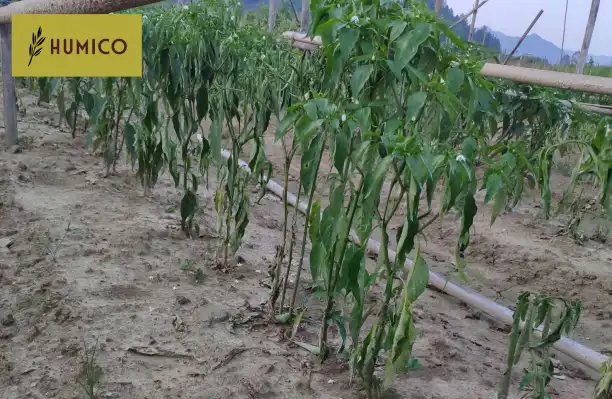
Pepper plants wilt for numerous reasons, including bacterial wilt and heat stress. Preventative measures can avoid most issues. By concentrating on regular care, seasonal check-ups, and minor adjustments based on what you observe each season, you can significantly impact the health of your hot pepper plants.
- Check soil moisture before watering to avoid overwatering.
- Do an early rake-off of low leaves to prevent soil-borne disease.
- Use mulch to retain moisture and reduce soil splash.
- Provide extra shade after transplanting and during peak heat.
- Distance plants adequately to ensure proper airflow and exposure to the sun.
- Use beneficial microorganisms to boost soil health.
- Observe leaf color for indications of nutrient deficiencies or disease.
- I spray leaves in the evening to prevent fungal disease and keep humidity up.
- Practice crop rotation and cover crops in the off-season to build soil.
Smart Watering
Watering is as much about timing and technique as it is about frequency, especially for hot pepper plants. Drip irrigation can help deliver water directly to the root system without wasting much, while also keeping the pepper leaves dry to reduce the risk of bacterial wilt. Watering early in the morning or the evening, when sunlight is low, helps minimize evaporation and heat stress. If you’re unsure when to water, test the soil with your finger. If it is dry a few centimeters down, it is time. Wait at least two days between waterings to prevent root rot and ensure optimal conditions for fruit production.
Strategic Planting
It does make a difference where you plant hot pepper plants. Choose locations with full sun and provide some afternoon shade if you reside somewhere hot to prevent heat stress. Protect your pepper plants from strong winds by using windbreaks or planting near taller crops. Good soil is essential; therefore, pick a site with well-drained, organic matter-rich ground to avoid issues like bacterial wilt. When you learn to plant peppers with basil or marigolds to keep away pests and increase growth, space each plant approximately 30 to 45 centimeters apart for improved air circulation.
Soil Fortification
Soil vitality and plant vitality are crucial for healthy growth. Amend your soil with compost or well-rotted manure to assist the ground in retaining water and nutrients, which is particularly important for hot pepper plants. Slow-release feeds will nourish your plants over time, reducing the frequency of application. Regular soil testing helps identify what is lacking, ensuring your pepper plant thrives. Plant cover crops like clover during the off-season to prevent erosion and reintroduce nutrients, while beneficial microbes such as Trichoderma harzianum can combat bad fungi and fortify the root system.
Integrated Pest Management
- Touch, smell, observe — check plants frequently for evidence of pests or disease, glancing under leaves and along stems.
- Attract ladybugs, lacewings, and other beneficial bugs to control pests.
- Employ crop rotation, trim troubled leaves, and maintain cleanliness in the garden.
- Spray or treat if necessary, only AFTER you’ve given the other steps a shot.
By combining these methods, you can effectively manage pests like whiteflies and prevent issues such as pepper plant wilting. Keep an eye out for wilting leaves or yellowing, as these can be signs of heat stress or other problems.
The Overlooked Role of Plant Genetics
Genetics can influence how pepper plants manage stress, pests, and disease, including issues like bacterial wilt. The appropriate genetics help keep at bay common enemies such as Fusarium wilt and drought. By examining the inherited characteristics of each cultivar, horticulturists can select species that align more closely with their regional weather and cultivation objectives, ensuring better resilience against these challenges.
| Variety Name | Resistensi Penyakit | Toleransi Kekeringan | Growth Habit | Notes |
| Jalapeño | Moderate | Moderate | Compact | Popular, steady yields |
| California Wonder | High (Fusarium) | Low | Bushy | Sweet bell, less heat |
| Habanero | Low | High | Upright | Very hot, needs warmth |
| Padrón | Moderate | Moderate | Sprawling | Good for mild climates |
| Shishito | High (multiple) | High | Compact | Productive, mild flavor |
| Serrano | Moderate | Moderate | Upright | Fast growing, spicy |
Variety Selection
Choosing the right pepper variety doesn’t just have to do with flavor or appearance; it frequently boils down to which pepper plant will best stand up to regional threats. Certain varieties, such as California Wonder, possess genetics that aid them in resisting pepper fusarium wilt. Others, like Habanero or Shishito, have characteristics that allow them to utilize water more efficiently, which is crucial in arid regions where heat stress can lead to wilting leaves.
Heirloom peppers can be amazing, although they don’t tend to include the disease resistance of new hybrids. Hybrids, bred for resilience against conditions like bacterial wilt, can better withstand pests or harsh weather. Even so, heirlooms can astonish, particularly when combined with savvy nurturing and nutrient-rich earth.
About growth habits, some hot pepper plants remain small, which is perfect for tiny gardens or even pots. Others, like Padrón, sprawl and potentially require additional space. Testing out varieties and observing which flourish assists gardeners in discovering the ideal fit for their location and environment.
Acclimatization
Hardening off seedlings, especially peppers, can be the X factor. Transitioning them from a greenhouse to the outdoors in one step results in wilting or stunted growth. Slow progressive changes, such as sun and wind exposure over a week, toughen plants up. They get used to temperature swings and less stable humidity in stages.
During this period, special care is paramount. Monitor soil moisture and protect plants from hot midday sun when necessary. Small steps, like putting plants outside for a few hours a day, avoid shock and prepare them for consistent growth.
Knowing the genetics behind traits such as strong roots or rugged leaves can inform how you nurture new plantings. These traits help peppers control water and stress, smooth the acclimatization process, and increase their likelihood of success.
My Personal Pepper Growing Philosophy
Success in pepper growing, as in many things, is largely a matter of close care and patient learning. There’s something to be learned with every garden season — a bumper crop or a bouquet of wilting leaves. What still impresses me the most is how much a gardener can learn simply observing their plants from day to day. Wilting leaves are a clear indicator that you must adapt. For instance, when the leaves are wilting, it typically indicates the pepper plant is dry. Touching the dirt is the second step because pepper plants are quick to respond to drying out. If the soil is dry beneath the surface, it’s time to water. If it’s wet, hold off and wait at least two days before watering again — don’t drown those roots!
Paying attention to the leaves is key. Not only the shape, but the color as well. Pale or yellow leaves can spell danger, indicating too much water, not enough nutrients, or a root issue. Cutting the lowest leaves early on maintains the plant just a few centimeters above the earth. This little measure can go a long way in keeping disease at bay, as leaves that contact wet ground are prone to rot and can lead to bacterial wilt.
Adaptation is everything. In warm or arid regions, providing your young pepper plants additional shade during the initial two weeks after transplanting them outside can help keep heat stress at bay. Shade cloth or even a quick cover during the hottest hours can prevent wilting from setting in. Meanwhile, spraying the leaves — top and bottom — in the evening can help plants cool and resist pests, which is a nifty trick that I find works great without watering the soil more.
All gardens are unique and what’s effective in one location may require an adjustment in another. That’s why swapping advice and chatting with other cultivators makes us all grow stronger. When gardeners discuss what flopped or flourished, patterns are easier to detect. Small tweaks like trying a new watering schedule or replacing an old mulch can have a big impact on how well pepper plants resist stress and promote healthy fruit production.
Conclusion
There are many reasons that pepper plants wilt. Heat, pests, or bad soil can stress them quickly. A few quick checks for droopy leaves and soft stems go a long way in catching trouble. Support plants with consistent water, aerated soil, and the perfect sun location. Genetics matter as well; some peppers just hold tougher. Little things like improved air flow or mulch are usually the most effective. Basic habits cultivate robust, resilient plants over time. Strong peppers begin with careful attention and some trial and error. To keep your plants tough, monitor them frequently and move quickly when things seem amiss. Post your tips and wins for other growers. Exchange tales, exchange seeds, and continue to learn together. Your next bountiful crop begins with these simple tips.
Pertanyaan yang Sering Diajukan
Why are my pepper plants wilting suddenly?
For pepper plants wilting, it usually means they don’t have enough water, or they’re experiencing heat stress. Check soil moisture and root system initially, as early rescue allows hot pepper plants to bounce back.
Can overwatering cause pepper plants to wilt?
Indeed, drowning can cause pepper plant wilting, as excess watering prevents the root system from absorbing oxygen. Always allow the upper few centimeters to dry out before watering again to avoid heat stress.
How can I tell if my pepper plant has a disease?
Check for yellow leaves, black spots, or mold on your pepper plant, as wilting with these symptoms can indicate bacterial wilt. Prune off affected leaves and clean your tools to prevent spreading disease.
What is the best way to revive wilting pepper plants?
Water thoroughly but do not flood the pepper plant. If it’s too hot, shift the hot pepper plants to partial shade to avoid heat stress. Trim damaged leaves and look for signs of bacterial wilt or pests. Patience and tender love care are important.
How does plant genetics affect wilting?
Certain pepper plant varieties are more drought and disease resistant than others, helping to prevent pepper plant wilting and encouraging healthy development.
What are proactive steps to keep pepper plants healthy?
Ensure your soil drains well, keep your pepper plants watered regularly, and watch out for bugs. Mulch retains moisture, helping to prevent wilting leaves. Inspect your pepper plant leaves and stems frequently for the first signs of heat stress or disease.
Can wilting peppers still produce fruit?
Yes, if you catch the signs of pepper plant wilting in time, such as wilting leaves, they can rebound and yield fruit. Remove the cause promptly to prevent issues like bacterial wilt.
Ditulis oleh Humiko | Organic Fertilizer Manufacturer
Sumber artikel asli: https://www.ihumico.com/pepper-plants-wilting/


