
To grow vibrant hibiscus with abundant blooms, choosing the right fertilizer and knowing when and how to use it is key. Many growers struggle with few flowers, yellow leaves, or weak growth because of wrong fertilization choices or timing. If you run a hibiscus nursery, supply agricultural inputs, make garden fertilizers, or offer horticultural services, mastering hibiscus fertilization will help you boost quality and profits. This guide covers the ideal hibiscus fertilizer (high potassium, low phosphorus, moderate nitrogen), how to fertilize hibiscus, when to fertilize hibiscus, and how to spot deficiency or over-fertilizing signs. You’ll get simple, practical tips tailored for agriculture and horticulture professionals.
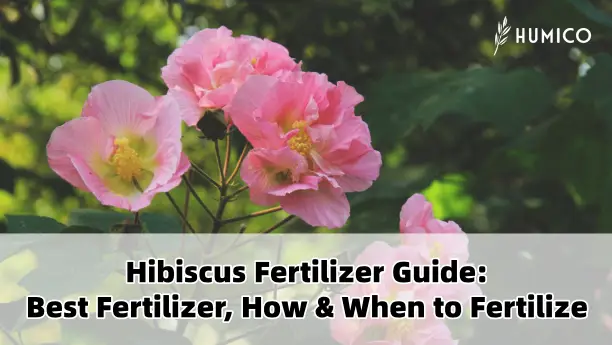
Hibiscus plants thrive when fed a balanced fertilizer with equal amounts of nitrogen, phosphorus, and potassium, like a 10-10-10 or 20-20-20 formula. These nutrients assist the flower in producing robust roots, healthy leaves, and vivid blooms. Some growers use a slightly higher potash fertilizer to enhance flower size and color. Liquid or slow-release types both do the trick, so long as it receives consistent feeding through its active growing months. A flowering plant fertilizer can help support hibiscus health and growth. Read more in the following sections about how to select the right blend, how often to feed, and what symptoms indicate if the plant needs more or less nutrients.
The Ideal Hibiscus Fertilizer
Hibiscus plants thrive most with fertilizers specific to their individual requirements. The right one nourishes enduring blooms, vigorous growth, and lush leaves. Here’s a quick reference table for popular hibiscus fertilizer types and their key ingredients.
| Fertilizer Type | အဓိကအစိတ်အပိုင်းများ | Notes |
| Balanced (10-10-10) | Nitrogen, Phosphorus, Potassium | Suitable for most hibiscus varieties |
| High Potassium (10-4-12, 9-3-13) | Potassium, medium nitrogen, low phosphorus | increases blooms and color |
| Low Phos. | NIT, POT, Trace Elements | Prevents nutrient imbalance |
| Slow-Release | Mixed NPK, Micronutrients | Used four times per year |
| Water Soluble | Variable NPK, Micronutrients | Use at half strength |
| Organic/Compost | Natural Nutrients, Micronutrients | Enhances soil condition |
1. High Potassium
Hibiscus flowers thrive on ပိုတက်စီယမ်, making hibiscus fertilizing essential for their growth. Flowering plant fertilizers that are higher in potassium, such as a 10-4-12 or 9-3-13 type formula, impart richer color and better shape to the blooms. Applying high potassium fertilizers in spring and mid-summer, when plants are most energetic, ensures reliable nutrient consistency and enhances bloom production, contributing to a healthy hibiscus bush.
2. Low Phosphorus
Almost all hibiscus types, including the hardy hibiscus, require low phosphorus. Excess phosphorus can inhibit root development and prevent absorption of other nutrients, resulting in spindly plants. Just be sure to read the phosphorus number on the package, which is the middle digit in NPK ratios. Look for fertilizers labeled ‘low phosphorus’ or those with a formula of 9-3-13. Pairing these with potassium-rich blends, such as a hibiscus booster, maintains a healthy nutrient balance.
3. Moderate Nitrogen
နိုက်ထရိုဂျင် is key for leaves, but excess can lead to lush, leafy plants with fewer flowers. For healthy hibiscus bush growth, balanced choices like 10-10-10 or 20-20-20, applied at half strength, encourage vigorous plant growth. Use light doses in early spring or post-bloom while avoiding high-nitrogen feeds to prevent over-production of leaves. Adjust the quantity based on the season and plant behavior.
4. Key Micronutrients
Hibiscus need more than just NPK; incorporating a complete hvh special blend fertilizer can greatly benefit plant growth. မဂ္ဂနီဆီယမ် halts yellow leaves, iron supports the green color, and zinc သို့မဟုတ် manganese prevent poor growth. Select fertilizers that contain trace elements or use chelated micronutrient blends for enhanced absorption, ensuring optimum levels to avoid symptoms like yellowing leaves or slow growth.
5. Understanding Ratios
The NPK ratio directs your fertilizer decision, with balanced formulas like 10-10-10 being ideal for most hardy hibiscus. Additionally, tropical hibiscus plant owners often experiment with different ratios to determine what suits their climate and hibiscus species best, noting how each influences bloom and plant growth. Keep notes to find out what recipe works best on your hibiscus in various seasons.
How to Fertilize Hibiscus
Fertilizing hardy hibiscus requires a balancing act, ensuring the right amount of nutrients without risking fertilizer burn. These gorgeous plants thrive, making it essential for tropical hibiscus plant owners to pay attention to the right conditions for optimum plant growth.
- Test your soil for nutrients before you begin a fertilization routine.
- Choose a balanced fertilizer. For example, use 10-10-10 or 20-20-20, or blends such as 10-4-12 or 9-3-13.
- Spread fertilizer out in a circle at the base, avoiding the stem.
- Water in well so the nutrients can seep to the roots.
- Apply according to directions on the fertilizer package at half strength for water-soluble formulations.
- Follow a schedule that varies with plant needs and seasonal cycles.
- Complement with spring compost for organic nutrients and improved soil health.
လျှောက်လွှာနည်းလမ်း
Both granular and liquid fertilizers fit hardy hibiscus, but each has its benefits. Granular fertilizer can be sprinkled on the soil surface or incorporated into potting mix for potted plants. အရည် and water-soluble varieties, provide faster results, particularly when diluted to half strength. For big plantings, a fertilizer injector aids in distributing the nutrients evenly and saves you time. Make sure you read and adhere to the label for hibiscus fertilizing application rates and safe handling. Nothing says you have to pollute or cook your plant or soil!
Feeding Frequency
Hibiscus require proper fertilization to bloom well. Feed your hardy hibiscus every 4 to 6 weeks during spring and summer. Young plants and those in rapid growth may need more frequent feeding, while mature plants can stick to the regular interval. For those using slow-release fertilizer, applying it four times a year—early spring, after the first blooms, mid-summer, and early winter—is sufficient. Monitor plant vigor and leaf color for signs to adjust your hibiscus fertilizing, especially in varying climates. In winter, reduce feeding to once a month or skip if the plant is dormant to prevent fertilizer burn.
Seasonal Timing
- Spring: Add compost and the first dose of fertilizer to help new growth.
- After first bloom: Fertilize again to support more flowers.
- Mid-summer: Apply fertilizer early in the day and avoid hot, dry periods.
- Early winter: Use slow-release fertilizer if conditions are mild.
- Avoid using fertilizer during extreme cold or heat.
- Modify timing according to rainfall in your area. Heavy rain can wash nutrients away or overwater the plant.
Reading Your Hibiscus
Hibiscus plants are great because they tip you off when they’re hungry. By paying attention to your hardy hibiscus, you can observe their growth, inspect leaf color, and keep track of new blooms or shoots. This can assist you in determining if your hibiscus fertilizing is correct. Maintaining a basic journal recording when you feed, with what, and how your plant reacts aids in detecting patterns as they emerge. Visual cues are your best guides to tune your care, especially during the rapid growth of spring and summer when a mild solution of water soluble fertilizer is often optimal.
Deficiency Signs
- Yellow leaves, especially older ones
- Weak or stunted stems
- Fewer or smaller flowers
- Leaves dropping off before their time
- Pale or patchy color on new leaves
- Curling or misshapen leaves
Stunted growth or a lack of flowers usually indicates that your hardy hibiscus plant is deficient in important nutrients. This is typical if you miss feedings or apply an unbalanced fertilizer, such as a 20-20-20 or 10-10-10. To promote healthy hibiscus bush growth, address issues like leaf drop or strange colors quickly, as they could indicate micronutrient deficiencies. Feed with a water-soluble fertilizer at half strength and continue hibiscus fertilizing every two weeks during peak seasons.
Over-Fertilizing Signs
Burnt leaf tips or edges are classic indicators of excessive fertilization. A heavy solution or frequent feedings will do it, particularly in warm weather. If you observe a high number of new leaves and not many flowers, the plant is probably getting too much nitrogen. Salt crust on the soil means that fertilizer salts are accumulating, hurting roots and inhibiting water.
Cut back feeding immediately if you see these issues. Flush the dirt with fresh water to rinse away additional salts. If you use slow-release, keep it at four times a year to prevent buildup.
When to Adjust
- Slower growth than usual
- Fewer flower buds forming
- Leaves changing color out of season
- Soil stays wet or dries too fast
- Noticeable change after a weather shift
The time of year alters your hardy hibiscus requirements significantly. Early spring is good for starting hibiscus fertilizing, but mid-summer is key for strong blooms. Be careful about dropping temperatures and rain, as these impact the ability of your plant to absorb the food. If your hibiscus looks scrawny or grows too fast, adjust your feeding schedule or concentration. In the fall and winter, once every four weeks is sufficient.
Choosing Your Fertilizer Type
Hibiscus flowers require adequate nutrients for healthy growth, and understanding hibiscus fertilizing is essential. The right fertilizer type for you will vary based on your methods, desired speed of results, and soil and plants’ requirements. There are liquid feeds and granular fertilizers, along with organic or synthetic mixes, each with its own set of advantages. Easy formulas such as 10 minus 10 minus 10 are fine for hardy hibiscus, but the way and timing you apply them is just as critical as what’s on the bag.
Liquid Feeds
Liquid fertilizers, such as humic acid အရည်, fulvic အက်ဆစ်အရည်, amino acid liquid, seaweed extract အရည်, are the favorite for hardy hibiscus as they act quickly. These feeds are water-soluble, allowing roots to uptake nutrients rapidly. When applying hibiscus fertilizing during growth, particularly in the spring and summer, it enhances flowering significantly. Always dilute as suggested on the package to avoid fertilizer burn on the roots. The wrong strength mix can do more damage than good. Liquid feeds can serve as a booster even if you primarily use granules, providing essential nutrients for healthy hibiscus bush growth.
Granular Options
Granular fertilizers, such as humic acid granules, fulvic acid granules, amino acid granules, seaweed extract granules, provide a slow, steady flow of nutrients to your hardy hibiscus and are convenient for those who prefer less frequent applications. Scatter the granules at the base of the hibiscus tree, away from the stem, and water well to activate the nutrients, ensuring they reach the roots. These fertilizers often feature slow-release formulations, making them ideal for busy gardeners seeking a consistent supply of nutrients for optimal plant growth over time.
Organic vs. Synthetic
Organic fertilizers, such as compost, well-rotted manure, humic အက်ဆစ်, fulvic အက်ဆစ်, အမိုင်နိုအက်ဆစ် သို့မဟုတ် ပင်လယ်ရေမှော်ထုတ်ယူခြင်း။, enhance the soil structure and provide lasting fertility, making them ideal for hardy hibiscus plant owners. These fertilizers release nutrients gradually, which helps your soil retain moisture, benefiting plant growth in various climates. In contrast, synthetic fertilizers, particularly those higher in nitrogen, offer rapid nutrient delivery, giving you precise control over hibiscus fertilizing. When considering your options, think about their long-term effects on the soil and local ecosystem, especially when using a hibiscus booster for your tropical hibiscus plants.
Soil’s Impact on Fertilizer
Soil is the foundation of hibiscus care, determining the effectiveness of hibiscus fertilizing. The type and quality of the soil influence both root uptake and the retention of nutrients, which is crucial for a healthy hibiscus bush. Testing and enhancing soil with components like peat moss or coco coir leads to dependable plant growth and optimum levels of nutrients.
| Soil Type | Nutrient Holding | Drainage | Fertilizer Needs | Example Adjustments |
| Sandy | Low | Fast | Frequent, lower doses | Add compost, use slow-release blends |
| Clay | High | Slow | Less frequent, risk of salt | Add organic matter, improve drainage |
| Loamy | Moderate | Balanced | Standard balanced feed | Maintain with mulch and compost |
မြေဆီလွှာ pH
Soil pH for hibiscus should be in the range of 6.0 to 6.8. If pH is outside this range, plants may exhibit nutrient issues despite fertilizer. Nutrient uptake ties directly to pH, so testing annually is crucial. Check soil’s impact on fertilizer using a simple soil pH kit or send samples to a lab.
If the pH is too low, amend with garden lime. If it is too high, apply elemental sulfur. Adjustments require time, so recheck pH after a few months. Iron, phosphorus, and manganese become less available if pH strays from the ideal range. Maintaining pH stability allows roots to intake what they require.
Soil Type
Knowing your soil—sandy, clay, or loamy—directs how you feed hibiscus. Sandy soil drains quickly and leaches nutrients, so lighter, more frequent feeding is ideal. Clay retains water and nutrients but can drown roots if compacted. Mix in compost or mulch to aid air and water circulation.
For heavy soils, side-dress fertilizer and not broadcast. This targets the root zone and reduces nutrient loss. Loamy soils tend to do well with hibiscus using balanced fertilizer at normal intervals. In pots, opt for mixes recommended for hibiscus or flowering plants for optimal outcomes.
ရေအရည်အသွေး
Water may introduce salts or chemicals that alter soil nutrient levels. Chlorine or high salt in tap water stresses hibiscus and blocks root uptake. Using rainwater or filtered water maintains soil equilibrium.
Test your irrigation water’s pH, since it can alter soil pH over time. Hard or alkaline water may require additional soil pH monitoring and adjustment. With poor water, modify both fertilizer and irrigation so nutrients remain consistent and roots stay healthy.
Fertilizing in Different Conditions
Different growth conditions alter the frequency and kind of fertilizer hibiscus plants require. For hardy hibiscus in pots or beds, stressed or not, each case requires a different strategy. Tailoring hibiscus fertilizing to these conditions keeps plants healthy and blooming.
Potted Hibiscus
Potted hibiscus require feeding because nutrients in containers quickly become depleted. Fertilize with a water-soluble fertilizer at half strength every two weeks in spring and summer and every four weeks in fall and winter. Use smaller doses to avoid salt buildup because it can burn roots. Good drainage is a must; choose pots with holes and avoid trays that hold excess water. This way, it helps prevent root rot from wet soil.
Potting mixes with a fertilizer added gives the plants a lift initially. These nutrients are depleted in a few months. Test your soil and monitor plants that either have pale leaves or are growing too slowly — indications that they require additional feeding. Fertilizer in most cases, a balanced fertilizer such as a 10-10-10 or 20-20-20 will work well for potted hibiscus.
Garden Hibiscus
For hardy hibiscus in garden beds, begin by testing your soil to ensure it has enough potassium and nutrients. If your soil is less than fertile or your beds are tight, your plants might require supplemental feeding with a complete hvh special blend fertilizer. Fertilize outside hot weather by spreading fertilizer 30 to 60 centimeters (1 to 2 feet) from the base to reach more roots. With slow-release fertilizer, apply it four times a year: early spring, after the first blooms drop, midsummer, and in early winter. Water-soluble fertilizer can be applied biweekly during warm weather to boost plant growth.
By incorporating compost or organic matter into your soil, you improve drainage, encourage root growth, and make nutrients more accessible for your hibiscus tree. Be sure to observe surrounding plants, as heavy feeders can rob your hardy hibiscus of essential minerals. Modify your hibiscus fertilizing schedule depending on how quickly your plants grow and the shifting weather.
Stressed Plants
Wilting leaves, faded colors, or slow growth are indications of stress. Fertilizing with stressed hibiscus means to reduce fertilizer initially, as the stressed roots may not absorb nutrients efficiently. Fertilize in different conditions. Water more frequently to assist roots in bouncing back, particularly during heatwaves or drought.
As soon as it perks up, feed with a mild shot of nutrient powder or revert to diluted water-soluble fertilizer. Don’t overfeed because it can aggravate stress. Feel the soil moisture and protect plants from drying winds or sudden temperature fluctuations.
Conclusion
Hibiscus thrives on a straightforward schedule. Apply a well-balanced fertilizer that provides sufficient nitrogen, phosphorus, and potassium. Go liquid or slow-release for convenience. Observe your plant for any discoloration or leaf changes. Soil, weather, and water all have a role to play. Each plant might require a minor care adjustment. Choose products with straightforward labels and non-toxic ingredients. Look at some local regulations or good stores for quality brands. For stout blooms and lush leaves, keep a regular feeding schedule. To help your hibiscus flourish, study the subject, consult at a neighborhood nursery, or experiment in small doses. Stick to what you know. Trade advice, trade tales, and let the world benefit from your tending.
အမေးများသောမေးခွန်းများ
What is the best fertilizer ratio for hibiscus?
A balanced fertilizer with an N-P-K ratio of 10-10-10 or 20-20-20 works well for hardy hibiscus, as this plant loves extra potassium for its blooms.
How often should I fertilize hibiscus plants?
For a healthy hibiscus bush, feed biweekly during the growing season; in cooler months, cut back to once a month or discontinue if the hardy hibiscus is dormant.
Can I use organic fertilizer for hibiscus?
Sure, organic fertilizers like compost or well-rotted manure are safe and provide slow-release nutrients, which is essential for maintaining a healthy hibiscus bush.
Should I water before or after fertilizing hibiscus?
Water the hardy hibiscus plant prior to fertilizing to avoid fertilizer burn and assist nutrients in absorbing better, ensuring healthy plant growth.
Can I over-fertilize my hibiscus?
Okay, so too much fertilizer can hurt hardy hibiscus. Administer the suggested amount of hibiscus fertilizing on a weekly basis and don’t regularly administer heavy feedings for the sake of your plant.
ရေးသည်။ Humico | Organic Fertilizer Manufacturer
မူရင်းဆောင်းပါးအရင်းအမြစ်- https://www.ihumico.com/hibiscus-fertilizer-guide/


