
Bacillus thuringiensis (Bt) - Biological Insecticide for Bulk Supply
- Effective against Lepidopteran larvae
- Will not harm bees, ladybugs, birds, or earthworms
- Safe for fruits, vegetables, ornamentals & shade trees
- Дом
- /
- Biocontrols
- /
- Bacillus thuringiensis
Why You Can Trust Humico Bacillus thuringiensis
- Specialized in bulk Bt manufacturing
- Stable quality & batch-to-batch consistency
- Multiple formulations under one supply system
- OEM & private label capability
- Export-oriented documentation & compliance support
- Reliable production capacity & delivery
Humico - Global Leader in Bacillus thuringiensis (Bt) Solutions
As a professional Bacillus thuringiensis (Bt) manufacturer, humico is dedicated to providing the global biopesticide and crop protection industry with pest control solutions.
All of our Bt products are derived from certified, high-potency strains. For sectors with rigorous ecological or resistance management standards, we offer formulations with superior bio-activity (IU/mg). Whether you require technical grade (TC) material or specialized end-use formulations—such as Wettable Powders (WP), Suspension Concentrates (SC), or Water Dispersible Granules (WG)—we can customize the fermentation and formulation to meet your specific environmental and target-pest requirements.
Whether you are implementing Integrated Pest Management (IPM) in your own operations or distributing to global markets, we are here to meet your demands.
Over the past 15 years, we have exported to 20+ countries, helping 100+ clients overcome complex pest resistance challenges.
Featured Bacillus thuringiensis We Manufacturing
We can provide bacillus thuringiensis based on your needs, check below and find the one you need.
Bacillus thuringiensis Israelensis
Biological insecticide for controlling Lepidopteran larvae in agriculture and forestry.
Bacillus thuringiensis Kurstaki
Targeting mosquito and fungus gnat larvae in aquatic environments and greenhouses.
Bacillus thuringiensis Aizawai
Tailored for resistant pests like Diamondback moth and armyworms in vegetable crops
Why You Need Certified Bacillus thuringiensis Solutions
Humico Bacillus thuringiensis (Bt) solutions offer a sustainable alternative to chemical pesticides. By using crystalline proteins, we provide pest management while ensuring environmental safety, zero residues, and long-term resistance control for global agriculture.

Superior Potency
High-concentration crystalline proteins can rapid and lethal action against pests.

Target-Specific Action
Only affects specific pests without harming beneficial insects or pollinators.

Resistance Management
Multiple modes of action help overcome chemical pesticide resistance.

Zero Chemical Residues
Ideal for organic farming and meeting export safety requirements.

UV-Stable Formulation
Protects bio-active components from sunlight degradation outdoors.

Certified Strain Purity
Produced using non-GMO, and highly active microbial strains.
Excellent Tank Mixing
Compatible with most fertilizers and bio-stimulants for easy application.

Экологичный
Biodegradable and safe for soil, water, and human health.
Biological Force Against Lepidopterous Pests
Humico Bacillus thuringiensis (Bt) biological insecticides can produce parasporal crystal proteins (endotoxins) that target the digestive systems of destructive larvae.
Once ingested, pests such as Caterpillars, Hornworms, and Armyworms will stop feeding immediately and perish within 2-3 days. And it’s zero impact on beneficial insects like bees and ladybugs.
Bacillus thuringiensis Resource
Паспорт безопасности.pdf
Bacillus Thuringiensis
ТДС.pdf
Bacillus Thuringiensis
Bacillus thuringiensis Documents
OMRI, ISO 9001, COA, CO, Form E, and other original certification documents
Humico Company Advantage


With decades of expertise in microbial fermentation, humico is a manufacturer dedicated to high-standard Bacillus thuringiensis production.
Our state-of-the-art facility specializes in both Dry Flowable (DF) and Emulsifiable Suspension (ES) formulations, ensuring every batch meets rigorous bio-activity and purity standards.
By integrating non-GMO strain screening with manufacturing processes, we provide global distributors with high-potency solutions and help farmers to transition toward organic, eco-friendly, and residue-free pest management.
Bio-Control Solutions For Global Industries
Sustainable Crop Protection
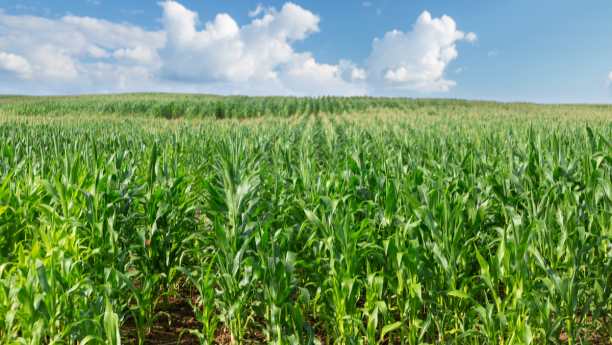
Target: High-value vegetable crops (cruciferous, tomatoes, leafy greens).
Solution: Integrated application of Bt kurstaki (Btk) and Bt aizawai (Bta) to combat resistant species like the Diamondback moth and Armyworm.

Large-Scale Forestry Management
Target: Commercial forests and urban shade trees prone to invasive caterpillars.
Solution: Aerial or high-volume ground spraying of high-potency Btk formulations during peak larval feeding periods.

Public Health & Vector Control
Target: Urban water systems, stagnant ponds, and residential areas.
Solution: Systematic treatment of water bodies with Bt israelensis (Bti) to eliminate the larvae of mosquitoes, black flies, and fungus gnats.
Get an Instant Quote Now
Safe Bio-Defense: Pure and Residue-Free Bacillus thuringiensis Solutions
More About Our Company
| CAS Registry No. | 68038-71-1 (for subspecies kurstaki) |
| Common Name | Bacillus thuringiensis (Bt) |
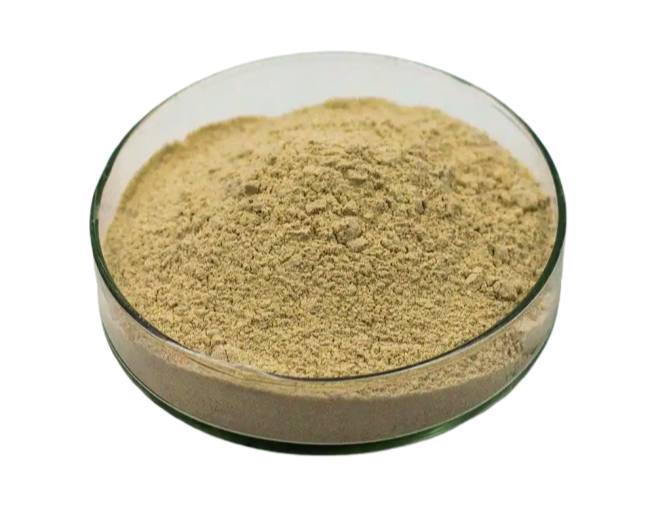
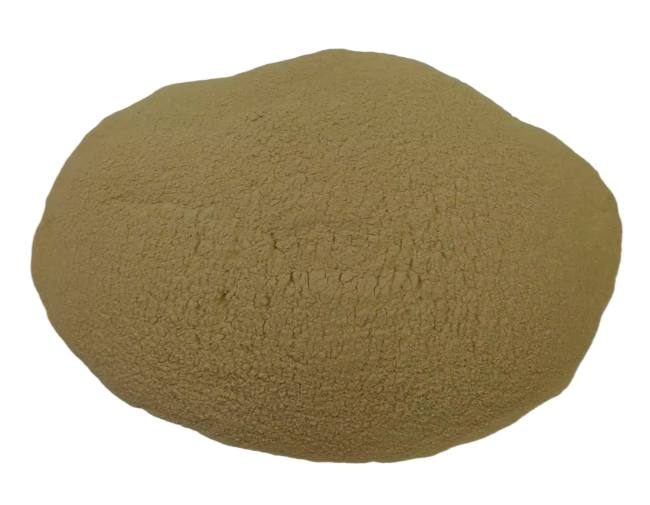
| Появление | Off-white to tan powder, granules, or liquid suspension |
| Odor | Mild, characteristic organic odor |
| Растворимость | Insoluble in water (forms a suspension of spores and crystals) |
| pH Stability | Most stable in slightly acidic to neutral environments; degrades in highly alkaline conditions |
| Срок годности | Usually 2 years when stored in a cool, dry place |

Avocado

Клубника

Cantaloupe

Цитрусовые

Durian

Pawpaw

Pitaya

Tomatoes

Apricots

Cherry

Bayberry

Watermelon

Banana

Grapes

Guava

Apples

Lemon

Grapefruit
Standard Sizes: 500g, 1kg, 2kg, 5kg, 10kg, 20kg, 25kg bags or 250ml, 500ml, 1L, 5L, 10L, 20L, 100L, 1000L Tank
OEM & Private Label Services — with your logo, language, and brand design
Strong, Moisture-Proof Bags — to protect your product quality during shipping and storage
Flexible Shipping — Support for pallets, mixed containers, or direct delivery to port
Humico offers a wide range of customizable packaging options to fit your market needs — from small retail packs to large bulk orders.
Whether you’re a distributor, fertilizer manufacturer, or agricultural supplier, HUMICO makes it easy to pack, sell, and ship.
At HUMICO, we actively participate in the world’s leading agriculture and feed industry exhibitions.
• CAC Shanghai 2026 – 26th China International Agrochemical & Crop Protection Exhibition
• AgroChemEX (ACEShow) Shanghai China 2025
• CAC 2025 – 25th China International Agrochemical & Crop Protection Exhibition
• Sugarex Thailand 2024 & Agri Expo Thailand 2024
• Viv Select China 2024
• CAC 2024 – 24th China Agrochemical & Crop Protection Exhibition
Testimonial
Ultimate FAQ Guide to Bacillus thuringiensis
What are the disadvantages of Bacillus thuringiensis?
While Bacillus thuringiensis (Bt) is a top-tier biological solution, it has a few practical limitations to keep in mind:
Sunlight Sensitivity: Direct sunlight can break down the active ingredients, which may shorten the protection period on the leaf surface.
Highly Selective: It only kills specific target larvae; it won’t work on other pests like aphids or mites.
Must Be Eaten: It isn’t a “contact spray.” Pests must actually eat the treated leaves for the product to work.
Not an Instant Kill: While pests stop eating almost immediately, it usually takes 2 to 3 days for them to fully perish.
Is Bacillus thuringiensis toxic to humans?
No, Bacillus thuringiensis (Bt) is widely recognized as safe for humans. Its active crystal proteins are specifically designed to bind to alkaline midgut receptors found only in certain insect larvae.
Because human stomachs are highly acidic and lack these specific receptors, the toxins cannot be activated or cause harm. It is so safe that it can be applied to edible crops up to the day of harvest without risk to consumers, pets, or farm workers.
Which insects are killed by Bacillus thuringiensis?
Bacillus thuringiensis (Bt) is highly effective against a wide range of leaf-eating larvae, particularly those in the Lepidoptera (moth and butterfly) family.
Key targets include destructive pests such as Caterpillars, Cabbage Loopers, Tomato Hornworms, Armyworms, and Bagworms. Specific strains like Bti also target the larvae of mosquitoes and black flies.
Because it targets the alkaline gut of these specific insects, it remains completely harmless to beneficial bugs like bees and ladybugs.
Which is better, Bt or Spinosad?
The choice depends on your specific pest pressure and environmental goals.
Bacillus thuringiensis (Bt) is the ultimate “specialist”—it targets only specific larvae (like caterpillars) while being 100% safe for bees and beneficial insects.
Spinosad is a “broad-spectrum” alternative that kills a wider variety of pests, including beetles, thrips, and leafminers. However, Spinosad can be toxic to bees when wet, requiring careful evening applications.
If you have a targeted caterpillar problem, Bt is the safer, more eco-friendly choice.
Can you eat plants sprayed with Bt?
Yes, you can safely eat fruits and vegetables treated with Bacillus thuringiensis (Bt). One of its greatest advantages is that it has a “zero-day” pre-harvest interval (PHI), meaning you can spray your crops and harvest them on the same day.
Because Bt is a naturally occurring soil bacterium that only affects specific insect larvae, it leaves no toxic residues on food.
For the best taste and hygiene, we simply recommend giving your produce a quick rinse with water before eating, just as you would with any garden-grown harvest.
How long does it take for Bt to work?
Bacillus thuringiensis (Bt) starts working almost immediately after a pest eats it. Within minutes, the insect’s digestive system is paralyzed, causing it to stop feeding and stop damaging your plants.
While the pest stops eating right away, it usually takes 2 to 3 days for the insect to actually die. Because it works from the inside out, you won’t see an instant “knockdown” like chemical sprays, but your crop protection begins the moment the pest takes a bite.
Does Bt wash off in rain?
Yes, heavy rain or overhead irrigation will wash Bacillus thuringiensis (Bt) off your plants. Since it stays on the surface of the leaves and does not soak into the plant tissue, water easily removes the protective coating.
If it rains shortly after you spray, you should re-apply the product once the leaves are dry. For the best results, try to apply it when at least 24 to 48 hours of dry weather is expected to give the pests enough time to eat it.
How long does Bt last? How long does Bti last in soil?
On plant leaves, Bacillus thuringiensis (Bt) usually lasts for 3 to 7 days. Sunlight breaks it down quickly, so its effectiveness drops after a few days of bright sun.
In the soil, Bti can stay active for much longer—often for several weeks or even months. However, while the spores remain in the soil, they often sink or get covered by organic matter, which means they may no longer reach the larvae they are meant to kill.
For best results, re-application is usually needed after heavy rain or during peak pest seasons.
Is Bt spray harmful to bees?
No, Bacillus thuringiensis (Bt) is not harmful to bees, butterflies, or other beneficial insects.
It is very specific and only affects the larvae of certain pests like caterpillars or mosquitoes when they eat it.
Unlike many chemical pesticides, Bt does not poison the nectar or pollen that bees collect. This makes it one of the safest options for pest control in gardens and farms where pollinators are active.
Can you spray Bt in the sun?
You should avoid spraying Bacillus thuringiensis (Bt) in direct, bright sunlight. UV rays from the sun quickly break down the active proteins, which makes the product much less effective.
For the best results, it is better to spray in the late afternoon or early evening. This allows the product to stay active on the leaves overnight when many pests are most active and feeding.
If you must spray during the day, choose a cloudy day to help the treatment last longer.
How often should I spray BT?
You should generally spray Bacillus thuringiensis (Bt) every 5 to 7 days as long as pests are active.
Because sunlight breaks down the product and new leaves grow quickly, regular timing is important to keep the plants protected.
If it rains heavily or if you use overhead sprinklers, you should re-apply it immediately after the plants dry.
For very high pest pressure, some growers spray every 3 to 4 days to ensure all new larvae eat the product.
Is BT the same as BTK?
No, they are not exactly the same.
Bt is the general name for the bacterium Bacillus thuringiensis.
Btk (Bacillus thuringiensis kurstaki) is a specific type or “strain” of Bt.
While there are many versions of Bt that target different pests, Btk is the one specifically used to kill leaf-eating caterpillars like cabbage loopers and bagworms.
Most garden sprays for caterpillars are actually Btk.
Is it better to spray Bt in the morning or Evening?
It is much better to spray Bacillus thuringiensis (Bt) in the late afternoon or early evening.
Sunlight contains UV rays that destroy the active ingredients very quickly. By spraying in the evening, the product stays strong on the leaves all night long. This gives pests more time to eat it, as many caterpillars feed most heavily during the night or at dawn.
If you spray in the morning, the midday sun may weaken the product before the pests can consume enough of it.
What insects does Bt control?
Bacillus thuringiensis (Bt) controls specific types of larvae depending on the strain you use.
The most common version, Btk, kills leaf-eating caterpillars like Cabbage Loopers, Tomato Hornworms, Tent Caterpillars, and Gypsy Moths.
Another version, Bti, is used to control Mosquitoes, Black Flies, and Fungus Gnats in water or soil.
It only works on insects that go through a larval stage and have a specific gut type. It will not harm “good” bugs like ladybugs, spiders, or honeybees.
When should BTK be applied?
You should apply Btk when you first see small caterpillars or notice feeding damage on leaves. It works best on young, small larvae because they eat more actively and are easier to kill than older ones.
For the best timing during the day, spray in the late afternoon or evening to prevent the sun from breaking down the product. Also, make sure to apply it when the weather is dry so it does not wash off immediately.
How long does Bt last in a bottle?
In its original bottle, Bt usually stays effective for 2 to 3 years if stored correctly. Liquid versions tend to expire faster than dry powders.
To make it last as long as possible, keep the bottle in a cool, dry place away from direct sunlight and extreme heat or freezing temperatures.
If the liquid develops a very strange smell or thick clumps that won’t mix when shaken, it has likely lost its strength and should be replaced.
Can you eat veggies sprayed with Bt?
Yes, you can safely eat vegetables sprayed with Bacillus thuringiensis (Bt). It has a “zero-day” pre-harvest interval, which means you can harvest and eat your crops on the same day you spray them.
Because Bt is a natural bacterium that only affects the specific gut type of certain insects, it is non-toxic to humans. It leaves no harmful residues, though it is always a good idea to wash your vegetables with water before eating to remove any dust or spray film.
Are you trading company or manufacturer?
Мы являемся производителем. Наше производство расположено среди живописных ландшафтов автономного района Нинся. Имея годовую производственную мощность 100 000 тонн, мы сердечно приглашаем вас посетить наш завод.
Do you offer samples?
Конечно, мы будем рады предоставить образцы по запросу. Как только мы получим ваш запрос, мы оперативно организуем отправку вам образцов.
What is your minimum order quantity (MOQ)?
Наш стандартный минимальный заказ составляет 1 килограмм.
What are the payment terms?
Как правило, наши условия оплаты составляют 30% TT заранее, а оставшаяся сумма 70% TT — против копии BL. Мы также принимаем аккредитив по предъявлении.
Can you customize our bags or print our logo on them?
Конечно, мы приветствуем и принимаем запросы OEM!
How do you maintain quality control?
Мы придаем огромное значение качеству нашей продукции. Чтобы гарантировать это, наша команда контроля качества активно участвует на каждом этапе производственного процесса. Перед отправкой каждая партия нашей продукции проходит тщательное тестирование, включая ВЭЖХ. Кроме того, компании SGS или PONY проводят предотгрузочные проверки, чтобы гарантировать качество нашей продукции.
How can I track my shipment after payment?
Будьте уверены, мы будем держать вас в курсе вашего груза. Подробная информация, включая упаковку, номер отслеживания, фотографии загрузки и отгрузочные документы, будет незамедлительно отправлена на вашу электронную почту.
How long does delivery take?
Общий срок доставки составляет 7-10 дней при условии наличия товара на складе. В противном случае организация доставки может занять от 10 до 15 дней.
Target Plants & Crops
1. Edible Crops (Fruits, Vegetables & Herbs)
Leafy Greens & Brassicas: Lettuce, Cabbage, Broccoli, Spinach, Kale, and Mustard Greens.
Fruiting Vegetables: Tomatoes, Peppers, Eggplants, Okra, and Cucurbits (Melons, Cucumbers, Squash, Zucchini).
Root & Tuber Vegetables: Potatoes, Onions, Garlic, Rhubarb, and Asparagus.
Legumes & Grains: Beans, Corn, Wheat, Rice, and Soybeans.
Berries & Small Fruits: Strawberries, Blueberries, Blackberries, Raspberries (Brambles), and Grapes.
Tree Fruits & Nuts: Apple, Pear, Peach, Nectarine, Plum, Apricot, Cherry, Citrus (Orange/Lemon), Avocado, Mango, Fig, and Pecan.
Herbs: Sweet Basil, Rosemary, Sage, Thyme, Cilantro, Parsley, Oregano, and Sweet Marjoram.
2. Ornamentals & Flowers
Garden Flowers: Roses, Petunias, Marigolds, Geraniums, Pansies, Zinnias, Sunflowers, Peonies, Irises, Lilies, Daylilies, Tulips, and Narcissus (Daffodils).
Perennials & Bedding Plants: Echinacea, Hostas, Phlox, Sedum, Heucheras, Coreopsis, Astilbes, Dianthus, and Salvia.
Specialty/Tropical Flowers: Orchids, Hibiscus, Anthuriums (Spathiphyllum/Peace Lily), Gardenias, and Clematis.
3. Trees, Shrubs & Woody Ornamentals
Deciduous Shade Trees: Maple, Oak, Ash, Magnolia, Birch, Elm, and Crabapple.
Evergreens & Conifers: Pine, Spruce, Cypress (Arborvitae), Juniper, and Yew (Taxus).
Flowering Shrubs: Hydrangea, Lilac, Rhododendron (Azalea), Spirea, Butterfly Bush, and Forsythia.
Hedges & Vines: Boxwood (Buxus), Privet (Ligustrum), Holly, Ivy (Boston/English), Honeysuckle, and Wisteria.
4. Indoor & Greenhouse Plants
Houseplants: Pothos, Rubber Plant, Snake Plant, African Violet, Ficus, Bamboo, and Christmas Cactus.
Target Pest Types
1. Common Caterpillar & Worm Pests (Lepidoptera)
Garden & Vegetable Pests: Cabbage Loopers, Tomato Hornworms, Tobacco Hornworms, Alfalfa Caterpillars, and various Armyworms.
Tree & Shrub Pests: Gypsy Moths, Bagworms, Tent Caterpillars, Cankerworms, Webworms, and Leafrollers.
General Pests: Various moths, worms, and loopers that consume plant foliage.
2. Broad Spectrum Insect Control
Diptera (Flies): Mosquitoes, Black Flies, and Fungus Gnats.
Other Orders: Certain formulations also target pests in the Orthoptera (grasshoppers/crickets), Coleoptera (beetles), and Hymenoptera (wasps/ants) families.
Как это работает
Ingestion Required: The insect must eat the treated leaf for the product to work.
Immediate Effect: Pests stop feeding almost immediately after eating the Bt proteins.
Death Timing: The larvae usually die within 2 to 3 days after ingestion.
Crystal Proteins: The bacteria produce “parasporal crystals” (endotoxins) that are the primary poison to the pests’ gut.


