
The best fertilizer for coconut trees often has a balanced mix of nitrogen, phosphorus, and potassium, along with trace elements like magnesium and boron. Robust coconut trees require consistent nutrients to develop deep roots, vibrant fronds, and abundant fruit. For most soils, a granular NPK fertilizer with a 2:1:1 or 1:1:2 ratio works well. Good soil drainage assists nutrients in soaking in and reducing rot. Slow-release options provide consistent nutrition and reduce maintenance with less frequent applications. Incorporating organic material, such as compost or manure, can stimulate soil vigor and sustain the tree long term. Selecting the appropriate mix depends on soil tests, the climate, and the age of the tree. The next section covers all of the factors.
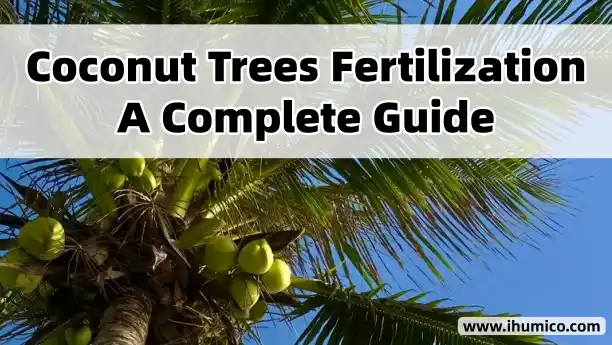
The Best Fertilizer for Coconut Trees
Coconut palms require a specialized balance of nutrients, including specific palm fertilizers, to flourish and produce high yields of edible coconuts. Both macro and micro-nutrients contribute to the tree’s health and fruit production, with different sources and methods fulfilling these requirements. Fertilizer type and usage must be adapted to the tree’s age, soil pH, and climate for optimal results.
1. Macronutrient Needs
Nitrogen promotes leaf growth and maintains the strength of the coconut palm tree. Phosphorus targets roots and flower production, ensuring the tăng trưởng lành mạnh of coconuts. Potassium enhances fruit quality and disease resistance, making it essential for productive coconut palms. A 2-1-1 NPK ratio in palm granular fertilizer form provides a good balance for coconut trees. This fertilizer should contain both slow and fast release nitrogen to maintain a consistent supply. Young trees respond well to monthly foliar fertilizer sprays, but after the first year, granules are more effective and can be applied every three to four months.
| Nutrient | Role | Common Source |
| Nitrogen (N) | Leaf growth, vigor | Urea, compost, manure |
| Phosphorus (P) | Root and flower development | Bone meal, superphosphate |
| Potassium (K) | Fruit quality, disease resistance | Kali humate, Kali Axit Amin Chelate, Potassium sulfate, compost |
| Magnesium (Mg) | Chlorophyll, fruit quality | EDTA Mg, Axit amin magiê Chelate, Epsom salt, dolomite lime |
| Zinc (Zn) | Fruit setting, enzyme function | EDTA Zn, Kẽm Axit Amino Chelate, Zinc sulfate, compost |
| Iron (Fe) | Foliage color, growth | EDDHA Fe 6%, EDTA Fe, Chelate axit amin sắt, Chelated iron, manure |
| Manganese (Mn) | Enzyme activation, growth | EDTA Mn, Axit amin Mangan Chelate, Manganese sulfate, compost |
| Copper (Cu) | Reproduction, enzyme activation | EDTA Cu, Chelate axit amin đồng, Copper sulfate, manure |
2. Micronutrient Role
Micronutrients such as magnesium and zinc are equally important for the healthy growth of coconut palm trees. Magnesium keeps leaves green by assisting chlorophyll function, while zinc helps with fruit set, ensuring productive coconut palms. Iron prevents yellowing and keeps the palm tree growing straight, while manganese and copper, required in very small amounts, complete the tree’s nutritional requirements.
3. Organic Sources
Compost well-rotted manure, axit humic, axit fulvic, axit amin Và chiết xuất rong biển provide slow, steady nutrients and add vitality to the soil, which is essential for productive coconut palms. Natural fruit powders incorporate trace elements and enhance fruit production, while palm trees benefit from green manures and cover crops that keep the ground strong.
4. Synthetic Options
Synthetic options, such as palm granular fertilizer and NPK mixes, are convenient and can be metered for optimal application. For productive coconut palms, use granular 2-1-1 types every three to four months for mature trees. Broadcasting sulfur-coated potassium sulfate under the canopy helps maintain potassium levels. When using liquid fertilizers, adding a few drops of detergent per gallon ensures the mix adheres to leaves. Always check the application rate to avoid burning the tree.
5. Soil pH Impact
Maintaining the correct soil pH is crucial for the healthy growth of coconut palm trees, as incorrect levels can inhibit nutrient absorption. Aim for a pH between 6.0 and 8.0 by applying lime to increase pH or sulfur to decrease it. Proper fertilization supports the root system, ensuring productive coconut palms yield up to 200 coconuts a year for decades.
Fertilizing by Growth Stage
Proper fertilizing by growth stage means providing nutrients according to the coconut palm tree’s requirements at each stage of development. The right palm granular fertilizer at the right time helps ensure strong roots, healthy growth, and high yields.
- Young palms require higher levels of nitrogen to support leaf and stem growth, with both foliar and granular fertilizers applied in combination.
- Bearing trees love extra fertilizer, including potassium, while fruiting.
- Mature palms demand balanced nutrition at regular intervals, with a focus on soil health and canopy coverage.
- Fertilizer should be applied within a 1.8-meter ring from the trunk and then be watered.
Young Palms
Young coconut palms deplete nutrients quickly, particularly immediately following transplant. A high nitrogen granular fertilizer will get leaves and stems growing well. During the initial year, it is smart to foliar-fertilize. This is best applied when a dry spell of at least 24 hours is anticipated, giving leaves ample time to imbibe nutrition without raindrops diluting them.
This aids roots in absorbing nutrients. Mulching around the palms preserves soil moisture and prevents weeds from stealing nutrients. Mulch gradually enriches the soil as it decomposes. Foliar sprays can cease after the first year, but granular fertilizer should continue to be applied.
Bearing Trees
As coconut palms begin to blossom and fruit, nutrient requirements spike. These stages require more fertilizer. Potassium-based options are a must because they invigorate fruit growth in terms of size and quality. You can use foliar sprays for a quick boost, particularly if leaf color fades or growth slows.
Watch the fruit set and modify fertilizing amount and frequency. For instance, if fruit development stalls, additional potassium or a balanced fertilizer is of assistance. Feeding every three or four months encourages consistent production.
Mature Palms
- Fertilize by growth stage. Use a 2-1-1 NPK ratio granular fertilizer, mixing fast and slow release nitrogen.
- Fertilize periodically, preferably monthly, or at least every 1 to 3 months.
- If you use organic fertilizers or manures, they can add structure to the soil and keep nutrient leaching to a minimum.
- Apply sulfur-coated potassium sulfate under the canopy at 0.75 kilograms per 9.5 square meters up to four times annually to avoid deficiencies.
- Apply all fertilizers in a circle 1.8 m from the stem, incorporate them into the soil and irrigate.
- Check palm health periodically and tailor the fertilizer type and frequency accordingly.
Proper Application Methods
Proper application methods are key to ensuring that coconut palm trees receive the nutrients they need for healthy growth. Various methods come in handy for different moments or needs, especially when considering specific palm fertilizers. The correct timing, dosage, and application method can significantly impact the productivity of these tropical trees. With fertilizer type and method, always match to the tree’s age, soil type, and climate to avoid issues like salt build-up in the soil.
Làm ướt đất
Soil drenching is effective because it soaks the ground surrounding the tree base in a diluted liquid fertilizer. This delivers nutrients straight to the roots, where your tree can absorb them quickly. Apply it to either water soluble fertilizers or a granular 2-1-1 blend dissolved in water. If the fertilizer does not contain a wetting agent, mix in 3 to 5 drops of liquid detergent per four liters to help it absorb.
Distribute the solution around the drip line. Don’t dump it in one place; distribute it to prevent salt accumulation or root scalding. Mind soil moisture as well. Soak when the soil is moist from rain or irrigation but not sopping wet. This allows nutrients to be transported to the roots without leaching. For best results, drench during key growth stages: just after planting, at the start of the rainy season, and during fruit set.
phun qua lá
Foliar spraying provides a quick solution for trees exhibiting leaf yellowing or when immediate results are desired. Spray when the leaves or nuts are growing fast and the weather is dry for a minimum of 24 hours. Young coconut trees reap the most benefits during their first year. After that, foliar sprays are less effective.
Apply by spraying in early morning or late afternoon to reduce evaporation. Reserve foliar fertilizers for treating identified deficiencies, as overapplication can result in leaf burn. Always pair this with soil fertilization for consistent, long-term nourishment.
thụ tinh
Fertigation is drip or micro-spray irrigation with which you feed nutrients directly to the roots. It’s optimal for bigger plantings or when water is limited. Use the right application: a lower strength fertilizer for young trees and more for mature ones.
Test your irrigation water for salts or minerals that may tie up nutrients. Fertigate during the season, typically once a month. For potassium, broadcast sulfur-coated potassium sulfate at 0.7 kilograms per 9.3 square meters under the canopy four times a year.
Identifying Nutrient Deficiencies
Coconut palm trees require balanced nutrition for robustness and high yields. Early detection of nutrient deficiencies is crucial for growers to address them swiftly and maintain healthy growth. Symptoms often appear in leaves, fruit, or overall vigor. By combining these clues with soil tests, you can tailor the nutrient needs of your coconut palms for optimal results.
Leaf Symptoms
Yellowing leaves frequently indicate a nitrogen deficiency, particularly in the oldest fronds of coconut palm trees. New leaves could be pale, and old fronds lose their green color quickly. Potassium deficiency appears as leaf tip burn or brown edges that can spread down the leaf blade, impacting the tree’s health and its disease resistance. Magnesium deficiency causes interveinal chlorosis, where yellowing occurs between leaf veins while veins remain green. These symptoms typically begin on older leaves of the coconut palm.
Detailed notes on leaf issues permit precise use of fertilizer. For instance, sulfur-coated potassium sulfate can be applied beneath the canopy of coconut palms four times yearly at 0.75 kg per 9.5 m² to correct potassium deficiencies. A balanced granular 2-1-1 fertilizer with slow and fast-release nitrogen helps remedy nutrient deficiencies, ensuring healthy growth in your tropical orchard.
Fruit Issues
Little or misshapen coconuts generally indicate the tree is suffering from nutritional deficiencies. Bad fruit quality or bland taste may be associated with a potassium or nitrogen deficiency. If fruit falls early, this can be an indicator that the tree is stressed or deficient in nutrients at critical junctures.
Monitor fruit size and flavor. If issues arise, add more fertilizer or trade up to a soil mixture with more slow-release nutrients. Organic fertilizers come in handy here as they provide nutrient release more slowly, encouraging better fruit set.
Growth Stunting
- Use soil testing to check for missing nutrients.
- Add granular fertilizeror organic matter to amend soil structure.
- Water frequently, particularly if rainfall is under 76 cm per year.
- Apply foliar fertilizer to young trees during dry spells.
- Stop foliar feeding after the first year.
Growth stunting in coconut palm trees can be caused by poor soil, nutrient deficiencies, or drought. Implementing a proper fertilization plan and ensuring soil health are crucial for the healthy growth of your palms.
Beyond Basic Fertilization
Coconut palm trees require more than the standard plant food for healthy growth. To keep them productive, a hybrid approach that includes using specific palm fertilizers, soil care, pest control, and climate planning works best. Each step aids the trees in getting strong, producing more edible coconuts, and weathering environmental changes.
Integrated Management
By combining fertilization with other easy habits, you keep the soil vibrant and living. In addition to simple fertilization, mulch, such as palm fronds, can help retain moisture, suppress weeds, and add organic matter to the soil as it decomposes. Cover crops, like legumes, fix nitrogen and enrich the soil even further, making it ideal for coconut palms to flourish.
Crop rotation is yet another weapon in the arsenal. Rotating coconut with other crops that don’t house the same pests or utilize the same nutrients prevents soil fatigue and turns the tables on pest cycles. It diversifies risk for farmers and makes the land more productive over time.
More than just fertilizing, adding organic matter — like compost or well-rotted manure — feeds good bacteria and keeps nutrients cycling. Beyond simple fertilization, these microbes assist roots in absorbing what they need, resulting in improved nut set and preventing issues such as yellowing leaves from micronutrient deficiencies.
Ecosystem health counts. Being vigilant for potential issues, such as pests or stagnant growth, enables prompt intervention and maintains harmony across the entire grove.
Climate Adaptation
Our coconut trees respond to the weather. Beyond Basic Fertilization Shifting your fertilization timing is key. Feed every 4 to 6 weeks when warm and less when cool. Slow-release organic fertilizers are a big help, as they continue feeding the roots even when rain or heat fluctuates.
Water conservation, like drip irrigation or mulching, gets trees through dry spells. In challenging climates, planting coconuts that are specifically bred for drought or disease resistance delivers superior outcomes.
Monitoring weather forecasts guides the timing of fertilizers and foliar sprays, ensuring leaves receive nourishment when rainfall will not wash it away.
Pest Resilience
Beyond fertilization, some good nutrition helps coconut palms fend off pests. Balanced fertilizer, particularly with sufficient potassium and micronutrients, keeps leaves green and fruit full, which reduces stress and makes trees less appealing to bugs.
Integrated pest management, including traps, handpicking, and natural predators, keeps chemical use low and protects helpful bugs. Regularly checking trees tends to catch trouble early, allowing quick and targeted action.
Invite birds, frogs, and other pest eaters into the grove by planting a mix of native plants around it.
Common Fertilizing Mistakes
Most coconut problems aren’t caused by negligence or laziness, but they are often the result of easy fertilizer mistakes. Steering clear of these can really make a difference in yield and tree health. Here’s a checklist of common fertilizing mistakes with some practical detail on each, particularly focusing on the importance of proper fertilization for productive coconut palms.
Not testing your soil properly is a sure way to get lousy results. You’ve got no idea what the soil needs if you don’t test it. Blindly applying fertilizer can create nutrient imbalances. For instance, too much nitrogen without testing first can lead to lush leaves but poor nut production. Frequent soil testing, at least annually, helps steer the proper application and maintains the nutrient levels in balance, ensuring your coconut palm trees thrive.
Not adjusting fertilization for growth stages is another common mistake. Coconut trees require varying nutrients during their growth. Young trees, under three years, require additional nitrogen and should be fed more frequently, approximately every three months. Established trees require less frequent feeding but more emphasis on potassium for nut production. Fertilizing the same amount and type year-round can stunt growth or lead to bad fruit set, impacting the yield of coconuts significantly.
Ignoring organic matter is common. Chemical fertilizers alone break down soil health over time. Organic matter, such as compost or manure, is crucial for coconut trees grown in sandy soils because it helps the soil retain water and nutrients. Without it, soil becomes debilitated, and the root system has difficulty absorbing nutrients essential for healthy growth.
Other errors are pretty serious, like over-fertilizing, which degrades soil and pollutes water. Using specific palm fertilizers that are not balanced in 2-1-1 nutrients of N-P-K leaves the tree nutrient deficient. Fertilizing too late or stopping too soon damages long-term health and yield. Not matching fertilizer type and frequency to the soil, for example, sandy versus clay soils, leads to underfeeding or waste. Fertilizer should not be placed near the tree base because it can burn roots. It’s better to construct a circular basin at 1 meter from the tree trunk. A drying agent can cause granular fertilizer to spread poorly. A few drops of liquid detergent in water help even out the mix. Finally, not observing how the tree reacts can miss indications of deficiency or surplus, so inspect leaf color and nut set frequently.
Conclusion
Good care bears strong coconut trees. The correct fertilizer provides robust growth and healthy leaves. Pick one with adequate nitrogen, phosphorus, and potassium. Add a little magnesium and boron for good nut set and green fronds. Feed trees by age and need. Scatter the mixture on damp soil, not dry. Watch for yellow leaves or stunted growth. These are suggestive of nutrient deficiencies. Keep soil moist and clean. Avoid overfeeding or the wrong blend. This works well in small farms and home gardens. To do your trees a favor, test your soil once every few months. Contact local growers or extension services for advice that suits your location. Here’s to growing lush, green coconut trees with good food and love.
Các câu hỏi thường gặp
What nutrients do coconut trees need most?
Coconut palm trees require nitrogen, phosphorus, and potassium for healthy growth. Using palm granular fertilizer ensures these essential nutrients are balanced for strong nut productivity.
How often should I fertilize coconut trees?
To ensure healthy growth of coconut palm trees, fertilize them once every 3 to 4 months. Young coconut palms may require more frequent feeding, while mature trees benefit from regular, balanced applications of specific palm fertilizers.
Can organic fertilizers be used for coconut trees?
Yes, you can use organic fertilizers like compost, manure, and seaweed extracts to enhance soil quality for coconut palms. These methods contribute vital nutrients and can leach nutrients more gradually than chemical fertilizers.
How can I tell if my coconut tree has a nutrient deficiency?
Yellowing leaves, stunted growth, or tiny nuts can all indicate nutrient deficiencies in coconut palm trees. For instance, yellow older leaves frequently indicate nitrogen deficiency, while brown tips can display potassium deficiency.
What is the best way to apply fertilizer to coconut trees?
Fertilize evenly around the root zone of the coconut palm trees without touching the trunk, and water the area afterwards to ensure proper fertilisation.
Are there risks in over-fertilizing coconut trees?
Yes, over-fertilizing can harm the root system of coconut palm trees, burn leaves, and decrease the yield of edible coconuts.
Do coconut trees need micronutrients?
Yes, coconut palm trees need micronutrients such as zinc, copper, and iron for healthy growth and optimal coconut fruit development. Applying a balanced palm granular fertilizer with micronutrients ensures resistance to diseases.
Được viết bởi Humico | Organic Fertilizer Manufacturer
Nguồn bài viết gốc: https://www.ihumico.com/coconut-trees-fertilization/


