
Humico Bacillus pumilus for Sale
Superior biological fungicide with extreme UV tolerance for open-field crops – zero residue, zero PHI.
- Unmatched UV resistance for all-weather protection
- Specialized biocontrol of Powdery Mildew & Rust
- Induces ISR & boosts plant vigor naturally
- 0 PHI, compliant with organic export standards
- Trang chủ
- /
- Biocontrols
- /
- Bacillus pumilus
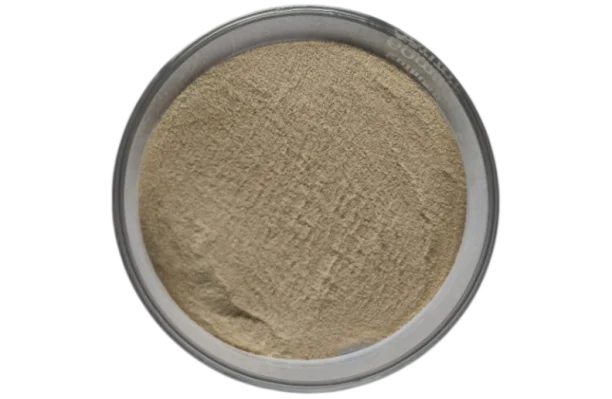
Why Choose Humico Bacillus pumilus?
- Up to 500 billion CFU/g with stable viability for 2+ years under proper storage.
- Destroys pathogen cell membranes physically – no resistance buildup.
- Boosts crop resilience in arid, saline, or continuous cropping soils.
- Works with most fertilizers and non-bactericidal pesticides for easy IPM integration.
- Tailored CFU, packaging, and technical data for distributors and formulators.
- Stimulates root elongation, nutrient uptake, and organic matter decomposition.
Humico - Your Professional Bacillus pumilus Supplier in China
As a professional manufacturer of Bacillus pumilus biofungicides and biofertilizers, Humico is committed to delivering high-performance, UV-resistant solutions for open-field disease control worldwide. Our Bacillus pumilus strains are produced under strict quality standards, offering up to 500 billion CFU/g with excellent shelf life. Whether you need private-label formulations, customized CFU concentrations, or ready-to-use wettable powders for distributors or farm supply chains, we tailor every batch to your requirements. With over 15 years of export experience to 40+ countries, Humico has helped hundreds of growers and agro-input suppliers conquer powdery mildew, rust, and abiotic stress – naturally.
Why Your Crops Need Humico Bacillus pumilus?
Our Bacillus pumilus delivers more than just disease control. It actively improves soil health, boosts nutrient efficiency, and helps crops thrive under heat, drought, and salt stress – all while keeping your fields residue-free.

Spore-Forming Stability
Survives extreme temperatures and maintains viability for over two years.

Cellulase & Protease Production
Accelerates crop residue breakdown and releases trapped soil nutrients.

Biofilm Formation on Foliage
Creates a physical barrier against spore germination on leaf surfaces.
Heavy Metal Antagonism
Reduces cadmium and lead uptake in contaminated soils.

Compatible with Organic Systems
Fully compliant with EU organic standards.

Rapid Root Colonization
Establishes in the rhizosphere within 48 hours after application.

Cải thiện chất lượng trái cây
Increases sugar content (Brix) and vitamin C levels in harvested crops.

Breaks Continuous Cropping Barriers
Alleviates soil fatigue and reduces replant disease pressure.
Pathogens Never Build Resistance
Humico Bacillus pumilus produces surfactins and other lipopeptides that physically disrupt the cell membrane of fungal pathogens. This non-receptor mechanism makes resistance development virtually impossible. Even after repeated applications, powdery mildew and rust remain fully susceptible. For growers facing resistant disease outbreaks, Bacillus pumilus delivers reliable, chemistry-free control – season after season.
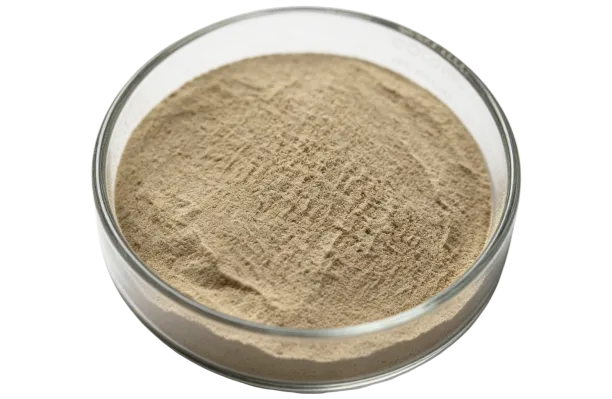
Humico Bacillus pumilus Documents
COA, OMRI, ISO 9001, CO, Form E, registration files and other original certification documents
Humico - Your Trusted Bacillus pumilus Manufacturer


Humico is a professional manufacturer of high-CFU Bacillus pumilus. We operate from a state-of-the-art facility with multiple fermentation workshops and a fully equipped in-house laboratory for batch-to-batch quality control. Our advanced production lines enable us to achieve up to 500 billion CFU/g while maintaining strict ISO 9001-certified standards. With over 15 years of microbial manufacturing expertise and export experience to more than 20 countries, we deliver reliable, private-label-ready Bacillus pumilus solutions that agri-input distributors and formulators trust. From raw material screening to final packaging, every batch is tested — because your brand reputation depends on it.
Industry Applications – Where Humico Validamycin Works
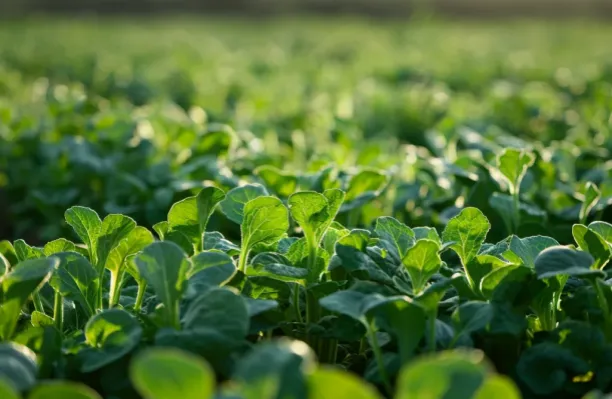
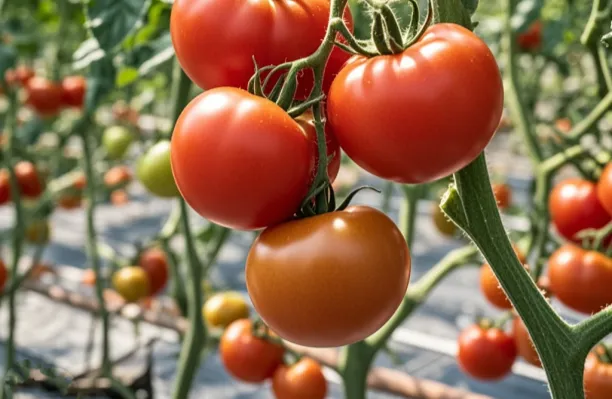
Open-Field Fruits & Vegetables
Humico Bacillus pumilus is formulated for foliar application on vineyards, orchards, and vegetable farms. It survives direct sunlight and provides lasting protection against powdery mildew and rust. No PHI restrictions allow spraying right before harvest. Compatible with drip irrigation and boom sprayers for large-scale use.
Organic & Export-Grade Farming
For organic certified farms and export-oriented operations, Humico Bacillus pumilus meets EU and USDA organic standards. It leaves no chemical residue on final produce. Use it as a pre-harvest biofungicide without worrying about maximum residue limits (MRLs). Ideal for tea, herbs, and high-value export vegetables.
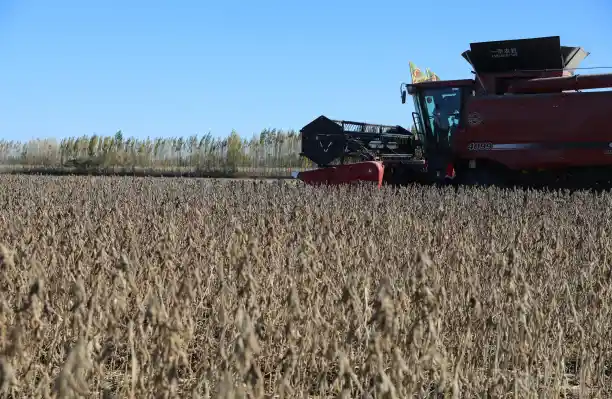
Saline & Abiotic Stress Agriculture
Humico Bacillus pumilus thrives where other microbes fail. It enhances root development, improves water use efficiency, and reduces sodium uptake. Apply as a soil drench or seed treatment to help crops withstand arid climates, saline irrigation water, and continuous cropping challenges while suppressing soil-borne pathogens.
Get an Instant Quote Now
Humico Bacillus pumilus — The Toughest Foliar Shield for Outdoor Crops
More About Our Company
| Active Ingredient | Bacillus pumilus (spore form) |
| Viable Cell Count | 1×10¹⁰, 5×10¹⁰, 1×10¹¹, or 5×10¹¹ CFU/g |
| công thức | Wettable Powder (WP) / Soluble Powder |
| Vẻ bề ngoài | Light yellow to yellow fine powder |
| Particle Size | 60-80 mesh |
| Moisture Content | ≤8% |
| pH Range (1% solution) | 6.0 – 7.5 |
| Contamination Rate | ≤1% |
| Coliforms | ≤10 CFU/g |
| Salmonella | Negative |
| Heavy Metals (As, Pb, Cd, Hg) | Compliant with organic standards |
| Hạn sử dụng | 24 months when stored in cool, dry place |
| Storage Condition | Keep sealed, away from sunlight and moisture |
| Packaging Options | 1 kg foil bag, 20 kg or 25 kg bag, or custom |

Avocado

Quả dâu

Cantaloupe

cam quýt

Durian

Pawpaw

Pitaya

Tomatoes

Apricots

Cherry

Bayberry

Watermelon

Banana

Grapes

Guava

Apples

Lemon

Grapefruit
| Small Package | 100g, 200g, 500g, 1kg / 5kg / 10kg aluminum foil bags |
| Standard Export | 20kg / 25kg drum / kraft paper bags |
| Bulk Package | 1000kg jumbo bags |
OEM & Private Label Services — with your logo, language, and brand design
Strong, Moisture-Proof Bags — to protect your product quality during shipping and storage
Flexible Shipping — Support for pallets, mixed containers, or direct delivery to port
Humico offers a wide range of customizable packaging options to fit your market needs — from small retail packs to large bulk orders.
Whether you’re a distributor, fertilizer manufacturer, or agricultural supplier, HUMICO makes it easy to pack, sell, and ship.
- Store in cool, dry, and well-ventilated place
- Avoid direct sunlight and moisture
- Keep sealed after opening
At HUMICO, we actively participate in the world’s leading agriculture and feed industry exhibitions.
• CAC Shanghai 2026 – 26th China International Agrochemical & Crop Protection Exhibition
• AgroChemEX (ACEShow) Shanghai China 2025
• CAC 2025 – 25th China International Agrochemical & Crop Protection Exhibition
• Sugarex Thailand 2024 & Agri Expo Thailand 2024
• Viv Select China 2024
• CAC 2024 – 24th China Agrochemical & Crop Protection Exhibition
What Our Customers Say?
Ultimate FAQ Guide to Bacillus pumilus
Is Bacillus pumilus harmful to humans?
Generally no. Most agricultural Bacillus pumilus strains are classified as Biosafety Level 1 (lowest risk) and are not considered harmful to humans. Studies confirm they do not produce enterotoxins or cereulide (the toxins linked to food poisoning), and no acute toxicity was observed in animal models. However, rare opportunistic infections have been reported in single cases among immunocompromised individuals, so standard hygiene practices are recommended when handling any biological product.
What does Bacillus pumilus do?
Bacillus pumilus is a plant growth-promoting rhizobacterium (PGPR) with multiple agricultural functions. It colonizes plant roots and leaf surfaces, produces antimicrobial lipopeptides (surfactins, fengycins) that suppress fungal pathogens like powdery mildew and rust, and secretes phytohormones (IAA) that stimulate root growth. It also improves plant tolerance to drought and salinity, enhances nutrient uptake, and activates plant immune defense responses through induced systemic resistance (ISR).
Where is Bacillus pumilus found?
Bacillus pumilus is a naturally occurring soil bacterium found worldwide. It commonly inhabits agricultural soils, plant rhizospheres, and water sources. The species has been isolated from diverse environments including freshwater, marine sediments, plant roots, compost, and even extreme habitats like saline sabkhas (salt flats). Many commercial agricultural strains were originally isolated from healthy soil or plant rhizospheres in regions such as Micronesia, Canada, and Vietnam.
What are the symptoms of Bacillus pumilus?
For healthy individuals, no symptoms normally occur — Bacillus pumilus is not a pathogen of humans or animals. In agricultural use, there are no toxic symptoms on treated crops; it is safe for plants, bees, earthworms, and beneficial insects. In rare opportunistic cases among severely immunocompromised individuals (e.g., hospital patients with indwelling catheters), isolated infections such as bacteremia have been documented, but these are exceptional and not a concern for healthy agricultural workers following basic hygiene.
Does Bacillus pumilus produce antibiotics?
Yes. Bacillus pumilus produces multiple antimicrobial lipopeptides and antibiotics. Studies have identified up to four distinct antibiotic biosynthesis genes (BacA, BmyB, spaS, ituC) leading to production of bacilysin, bacillomycin, subtilin, and iturin. It is particularly well-known for producing surfactin and fengycin B, which inhibit fungal pathogens like Phytophthora infestans (late blight) via mycelium deformation, oxidative damage, and mitochondrial dysfunction, while surfactin also activates plant defense gene expression. These metabolites provide broad-spectrum antagonism against both fungal and bacterial pathogens.
What is the difference between Bacillus pumilus and Bacillus subtilis?
Bacillus pumilus has significantly higher UV tolerance, making it better suited for foliar application on open-field crops. While Bacillus subtilis is a good generalist, B. pumilus produces more surfactins and specializes in powdery mildew and rust control. It also survives better on leaf surfaces under direct sunlight.
Can I mix Bacillus pumilus with chemical fungicides or fertilizers?
Yes, but avoid mixing with copper-based products, strong oxidizers, or bactericides (e.g., streptomycin, oxytetracycline). It is compatible with most chemical fungicides (except those labeled as antibacterial), insecticides, and foliar fertilizers. Always add the Bacillus pumilus last to the tank mixture after fully diluting other products. Perform a small jar test first.
How long does Bacillus pumilus stay active on leaves after spraying?
Under normal conditions, viable spores remain active on leaf surfaces for 7–14 days. Its UV-resistant spores can survive sunlight exposure much longer than other biologicals. Rainfastness occurs about 2 hours after application. For heavy rain or high disease pressure, reapply every 7–10 days for best results.
Is Bacillus pumilus safe for bees, ladybugs, and other beneficial insects?
Yes. Bacillus pumilus is non-toxic to pollinators, predatory mites, and earthworms. It has no oral or contact toxicity to honeybees. You can spray during bloom without harming beneficial insects, making it ideal for integrated pest management (IPM) programs.
What is the shelf life and how should I store Bacillus pumilus powder?
Shelf life is 24 months when stored in a cool, dry place away from direct sunlight. Keep the container tightly sealed after each use. Ideal storage temperature is below 25°C (77°F). Refrigeration (4°C) can extend viability beyond 24 months. Do not freeze.
How often should I apply Bacillus pumilus for powdery mildew control?
For preventive control, apply every 10–14 days starting from early vegetative stage. Under high disease pressure or frequent rain, shorten the interval to 5–7 days. For curative action against existing powdery mildew, apply twice within 5–7 days, then switch to a preventive schedule. Consistent coverage is key.
Core Target Diseases
Foliar Diseases (Primary)
Powdery Mildew, Rust (including Soybean Rust), Anthracnose, Leaf Spot
Soilborne Diseases
Root Rot, Damping-off, Fusarium Wilt (Fusarium oxysporum), Rhizoctonia solani
Other Fungal Diseases
Phytophthora infestans (Late Blight), Botrytis (Gray Mold), Alternaria
Primary Target Crops
trái cây
Grapes (vine), Apples, Citrus, Strawberries, Stone Fruits (peach, plum, cherry), Pome Fruits (pear, quince), Bananas, Blueberry, Tree Fruits
Rau
Cucurbit Vegetables (cucumber, zucchini, melon, pumpkin, squash), Solanaceous Vegetables (tomato, pepper, eggplant), Leafy Vegetables (lettuce, spinach, kale, cabbage), Root Vegetables (carrot, radish, potato, sweet potato), Tuberous Vegetables, Brassica (broccoli, cauliflower, kale), Bulb Vegetables (onion, garlic), Fruiting Vegetables
Row & Cash Crops
Soybean, Wheat, Rice, Barley, Corn (maize), Cotton, Tobacco, Hops, Peanuts (groundnuts), Sunflower, Beans, Peas, Lentils, Mint
Ngũ cốc & Ngũ cốc
Cereal grains (general), Wheat, Barley, Rice, Maize, Oats, Sorghum
Ornamentals & Specialty
Roses, Cut Flowers, Ornamental Trees, Nurseries, Turf and Grass Seeds, Forestry Trees
Other Categories
Forage Crops (alfalfa, clover), Pasture and Grass Seeds, Composting (food waste, vegetable leftovers, meat scraps, paper sludge), Field Crops (general)


