
Key Takeaways
- For growing great onions, with good flavor and solid formation of bulbs, there needs to be a nice balance of nitrogen, phosphorus, potassium and sulfur.
- Balanced granular, nitrogen, organic, liquid and slow-release fertilizers all provide valuable support for healthy onions at different stages.
- Organic fertilizers enhance soil health over time, whereas synthetic ones offer immediate results but might affect soil quality with excessive use.
- Without soil testing, you’re really just guessing at what kind of fertilizer is best for onions.
- Regular fertilizing — pre-planting, side-dressing and foliar spraying — aids strong onion growth.
- Water management in concert with fertilization will promote nutrient absorption and healthy, pest resistant onions.
The onion is one of the most widely cultivated and economically important vegetable crops globally. If you are a fertilizer manufacturer aiming to produce fertilizer specifically for onions, this article serves as a comprehensive guide to help you understand what kindof fertilizer is most suitable for onions.
The best fertilizer for onions is a balanced blend with lots of nitrogen — a 10-10-10 or 16-16-8 — because onions require strong leafy growth to produce big bulbs. Nitrogen aids green leaf growth, critical for healthy onions. Onions rely on phosphorus and potassium for their root and bulb growth, so a balanced fertilizer does the trick. Others go for the slow and steady with organic compounds such as compost or well rotted manure. To achieve optimal outcomes, it’s beneficial to test your soil in advance and adhere to local recommendations. Nailing down the optimal combination will fuel your onion garden to an excellent harvest. What follows are timing, amount, and tips for both garden beds and pots.

Decoding Onion Appetites
Onions crave a healthy, consistent diet, especially when it comes to the right nutrients. They are heavy feeders, drawing significant amounts from the soil to produce big, sweet, and tasty bulbs. The key nutrients—N, P, K, and sulfur—all play essential roles in the growth cycle. The right fertilizer balance enhances onion yield and makes them more resistant to disease and stress, ensuring a successful onion growth throughout their development.
Nitrogen
Nitrogen drives leafing on onions, making it essential for successful onion growth. Without sufficient nitrogen fertilizer, plants remain small and yellow. Ammonium nitrate and urea are standard additions for nitrogen, supporting onions to begin strong and remain green. However, excessive nitrogen can make bulbs mushy and delay ripening. Rate checks and application splitting keep growth on target, while steady feeds every two to three weeks avoid plant-stressing swings, ensuring a great onion harvest.
Phosphorus
This is the element most important for roots and bulbs, guiding early growth and influencing how bulbs fatten up later. For successful onion growth, diammonium phosphate is one go-to fertilizer that is worked in at planting time. This assists roots in reaching far down, preparing the ground for a great onion harvest. Soil tests guide how much to apply, ensuring the right nutrients are available. When phosphorus levels are just right, onions plump up and mature with enhanced quality, leading to a tasty onion crop with the highest yields and firmest bulbs that store well.
Potassium
Potassium keeps onions hardy, which is crucial for a successful onion growth cycle. It toughens up cell walls, leaving plants resilient and able to shed disease. Using potassium chloride or a high-potash blend such as 0-0-50 works well, particularly as onions start to swell late in the season. Potassium is most important during the final two months pre-harvest, when bulbs expand. Additionally, potassium mixed with a carbon source aids roots’ absorption, which is essential for meeting the right nutrients for a bountiful harvest. Testing soil helps fine-tune how much you need, ensuring proper nutrients are available for the onion crop.
Sulfur
Sulfur assists onions in utilizing protein and constructing healthy tissues, making it essential for a successful onion growth. Ammonium sulfate is a popular method for adding both nitrogen and sulfur to the soil. Certain soils are sulfur-deficient, so testing is crucial. Well sulfurized soil not only enhances growth but also contributes to a tasty onion crop, producing longer-storing, sweeter-tasting onions.
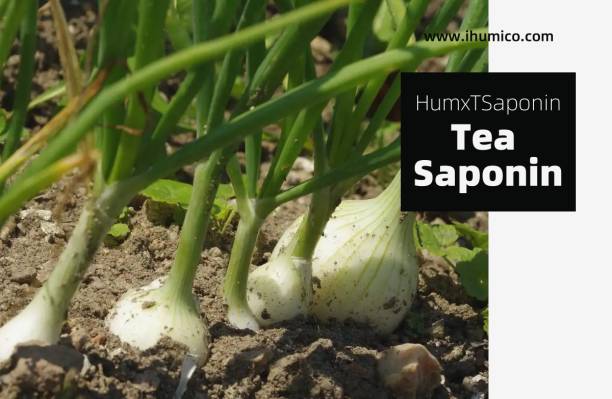
What is the Best Fertilizer for Onions?
Onions require consistent nutrition throughout their growth cycle. As heavy feeders, particularly of nitrogen, using the right fertilizer, such as organic fertilizer, at the appropriate planting time can significantly enhance the health and productivity of your tasty onion harvest.
1. Balanced Granular
Balanced granular fertilizers aid onions receive a mixture of nitrogen, phosphorus, and potassium. These are the big three plant nutrients, and each contributes to root, leaf and bulb growth. A typical fertilizer ratio for onions is 10-10-10 or 12-12-12. Onions consume a lot of nitrogen but still require some phosphorus and potassium for root and bulb strength.
Blend balanced granular fertilizer into the soil pre-planting. This gives the onions a good start. Always dos according to the label to prevent nutrient imbalance or waste. Too much fertilizer will damage onion roots or lead to salt accumulation.
2. Nitrogen-Rich
Nitrogen-based fertilizers are essential for the leaf growth that leads onions to produce larger bulbs down the road. Blood meal (12-0-0 or 13-0-0) or feather meal (13-0-0) are excellent options for robust and consistent nitrogen. Ammonium sulfate and urea (46-0-0) will do the trick, but apply them cautiously.
Apply nitrogen in a few small doses rather than one large application. This matches onion growth stages the best and helps prevent burning your plants. Monitor the plants and tweak accordingly—yellow leaves or lagging growth can indicate more nitrogen is necessary.
3. Organic Compost
Organic compost provides slow-release nutrients and supports soil moisture retention. It cooperates with the soil’s composition, allowing roots to loosen and bulbs to expand. Plant scrap, manure, or guano compost, if rotted well, is safe for onions.
Amend with compost prior to planting and incorporate it deep into the topsoil. This gets onions off to a good start and continues to feed them as they grow. Over time, compost builds soil health so that every crop is better.
4. Liquid Feeds
Liquid feeds act fast and can rescue languishing onions. Apply them on large growth spurts or if leaves begin looking pale. Always dilute per the label, to prevent root burn.
Dilute liquids feeds to water for even dispersal. This provides onions with a quick boost, but don’t go overboard.
5. Slow-Release
Slow-release choices such as coated pellets or feather meal exude nutrients out over weeks. These assist if you can’t fertilize frequently or have sandy soil that forgets food quickly.
Check soil remains moist for consistent release. Pick a fertilizer with nice balance of nitrogen, phosphorus, and potassium.
The Organic vs. Synthetic Debate
The organic vs. synthetic onion fertilizer debate is a delicate balancing act between advantages and disadvantages in organic gardening. Each type affects soil health, nutrient release, and the overall growth cycle of onions differently, impacting the quality onions produced.
| Fertilizer Type | Benefits | Drawbacks |
| Organic | Improves soil, long-term fertility, eco-friendly | Slow nutrient release, higher cost, bulkier |
| Synthetic | Quick results, precise nutrients, lower cost | Short-term effect, can degrade soil, pollution |
Soil Health
Organic fertilizers feed the soil, not the plant alone. They invigorate microbial activity, enhance soil texture, and add organic matter. This results in healthier onion crops, more resilient to disease, year after year.
Synthetic fertilizers provide nutrients directly to onions, but can exhaust soil and upset microbe equilibrium. Long term, this can lead to nutrient leeching and poor soil structure. Onions grown on these soils tend to require more regular fertilizer applications.
Crop rotation and cover crops can help restore soil health, particularly if synthetic fertilizers have been applied in previous seasons. Consistent soil testing is crucial. It indicates nutrient deficiencies and directs fertilizer application.
Nutrient Release
| Fertilizer Type | Nutrient Release Rate | Duration of Effect |
| Organic | Slow, steady | Several months |
| Synthetic | Fast, immediate | Few weeks, needs repeat |
Organic fertilizers decompose in weeks or months, providing a gradual, consistent feeding. This fits onions’ extended growing cycle, but may not yield immediate results.
Synthetic fertilizers provide nutrients quickly. They’re great for early growth or bulb swelling, but require repeated applications. Timing is everything, various onion stages could have varying feeding schedules.
Flavor Impact
Fertilization can alter onion flavor. Sweet, earthy, complex onions come from healthier soil — soil rich in organic matter. Organic fertilizers have a way of bringing these flavors out through supporting soil health.
Overly synthetic fertilized onions taste harsh or bland. The nutrient balance, particularly sulfur, influences flavor. Experimenting with both approaches in small plots can help growers discover their taste.
Environmental Footprint
Organic fertilizers are derived from naturally occurring materials and decompose in a non-toxic way, so they are less likely to create water pollution and contribute to ecosystem imbalances.
Synthetic fertilizers, all made from ammonia, phosphate, and other chemicals, can runoff into waterways if overapplied, damaging fish and plants. Thoughtful application, soil testing and responsible use are required to minimize this impact.
How to Fertilize Onion Plants
Onion plants require consistent nutrients from seedling to harvest, making the right fertilizer choice essential for successful onion growth. Fertilization planning counts at every stage—when and how you fertilize influences growth, size of the bulb, and the quality of your tasty onion crop.
- Test your soil for pH and key nutrients before planting.
- Incorporate organic and inorganic fertilizers for early development as necessary
- Side-dress onions with nitrogen fertilizers as they begin to form bulbs.
- Use foliar sprays if plants are deficient or growth is slow.
- Watch for signs of over- or under-feeding by monitoring plant health and soil condition.
- Keep a regular feeding schedule, adjusting as onions mature
Pre-Planting
Checklist for pre-planting soil prep:
- Test soil for pH and nutrients (target pH 6.0–7.0)
- Remove weeds and loosen soil to 20 cm depth
- Add compost or well-aged manure for organic matter
- Incorporate a nitrogen rich fertilizer such as blood meal, at 50–75 g/m2
- Incorporate bone meal for phosphorus, if test indicates low levels.
- Don’t overdo the ammonium sulfate—it can sear seedlings.
Begin with the proper blend. Chicken manure, feather meal and blood meal are robust organics that provide slow, consistent nitrogen. Balanced fertilizers with a little more “N” help young onions grow quick roots and tops. Always adhere to label rates to avoid nutrient burn. If your soil testing indicates calcium is deficient, incorporate calcium nitrate prior to planting.
Side-Dressing
Side-dressing is just a fancy term that means feeding onions as they grow. Do this at 10–15 cm tall, then every 2–3 weeks as bulbs swell. Nitrogen-rich fertilizers, such as urea or ammonium sulfate, are typical. To be on the safe side, sprinkle a blend such as one cup blood and bone meal per 3 meters of row.
Both granular and liquid fertilizers work, but granular is easier for home gardens. Look for yellowing leaves—this indicates a nitrogen requirement. If you notice this, side-dress immediately but never allow fertilizer to contact the plant itself.
Foliar Spraying
Foliar spraying is feeding onions through their leaves. Spray feed with this method when soil feeding isn’t sufficient or plants are stunted. Select a foliar spray liquid designed fertilizer, dilute as per label, and spray during cool hours. Foliar sprays are most effective during active leaf growth and if too strong or applied in hot sun can cause leaf burn.
Keep sprays light and uniform. Repeat biweekly if necessary. Foliar feeding assists with trace element deficiencies that soil may be missing.
When to Fertilize Onions
Onions are heavy feeders, so a well-timed fertilization plan using the right fertilizer is essential. By fertilizing at the appropriate points in the season, onions absorb the nutrients they require for robust growth, impressive yield, and strong natural defenses. Climate, soil, and onion variety all influence the optimal timing for planting onions. Keep an eye on the weather and soil moisture, as these impact plant nutrient uptake.
At Planting
To ensure a great onion harvest, feed onions at planting so roots receive organic fertilizer immediately as they begin to develop. Mix the fertilizer into the hole or work it into the top 5–10 cm of soil, preparing essential nutrients like nitrogen and phosphorus for the roots the moment they emerge. Balanced options, such as a combination of blood and bone meal, can be effective—one cup per 3 m of row is the general rule. However, be cautious not to over-fertilize, as too much can scorch tender roots. Good soil prep, including compost or aged manure, lays the groundwork for healthy, fast-growing roots that sustain the plant throughout the growing season.
During Leaf Growth
Onions require ample nitrogen during leaf growth to develop robust, green leaves, making the use of organic fertilizer essential. Nitrogen-heavy fertilizers — like blood meal, feather meal, or urea — are best now. If the leaf color is pale green or yellow, it indicates that the plant requires more nitrogen. For slow growth, consider feeding with calcium nitrate or a balanced organic fertilizer. Consistent feeding is crucial for successful onion growth, as it supports the nutritional needs for bulb development. Modify feeding if the weather goes wet, as rain washes nutrients from the soil.
Before Bulbing
Just before planting onions, switch your attention to phosphorus. This encourages root development and aids bulbs in getting to full size. Phosphorus-rich organic fertilizers, like bone meal, work well. Time this application right as swelling at the base of the plant begins. Testing soil for the right nutrients can help bypass shortages and waste. Mastering this step often increases your chances of a great onion harvest.
When to Stop
Cease feeding once onion bulbs reach full size and tops begin to flop, as excess nitrogen from synthetic options late in the season can damage storage quality. Pay attention to bulb size and maturity; once the tops yellow and fall over, feeding should cease to ensure a great onion harvest and help the bulbs cure nicely.
Beyond the Basics
Advanced onion fertilization involves selecting the right fertilizer, such as organic fertilizer or specific onion fertilizers, combining science, patience, and local awareness for a great onion harvest.
- Match fertilizer type and timing to onion growth stage and variety.
- Using both organic and synthetic fertilizers for balanced nutrition.
- Rotating crops to prevent disease and support soil health.
- Applying mulch to manage soil temperature and moisture.
- Monitoring for pests and diseases to adjust care quickly.
Soil Testing
Soil test is the beginning of any good fertilization plan. A test can tell you whether your soil is acidic or alkaline and which nutrients are lacking. Armed with these results, you can select the appropriate fertilizer and not waste it. As an example, if your soil indicates low nitrogen you can supplement it with a top dressing or organic alternatives like chicken manure. Seasonal testing—at least once before planting and during the growing season—helps you capture shifts in nutrient levels as plants develop.
When results reveal large gaps in nutrients or pH, soil amendments such as lime or sulfur can restore levels. PH fixing can help make other nutrients available and help onions grow strong.
Micronutrients
- Zinc, boron, copper, iron, manganese, molybdenum—these trace elements are critical for onion well-being.
- They assist onions in resisting disease, growing well and developing good flavor.
Micronutrient deficiencies can present themselves in yellowing leaves or undersized bulbs, affecting the quality onions. If you see these symptoms, using targeted foliar sprays or organic fertilizer can enhance the sweetness and storage life of your onion crop.
Water’s Role
Onions require consistent water, particularly during hot or dry weeks, aiming for approximately 25 millimeters a week. Overwatering can wash away essential nutrients, leaving onions weak, while too little water can cause onion splitting or sharp-tasting bulbs. Fine-tune irrigation with rain and the growth cycle, and consider using organic fertilizer to enhance soil fertility.
Pest Resistance
Balanced fertilization helps onions resist pests. Well-nourished plants sprout quicker and out-run certain dangers. Chicken manure or blood meal provides slow-release nutrients and promotes plant health.
Stay vigilant for thrips, downy mildew or pink root. If disease strikes, rotate crops and attempt organic pest controls such as neem oil or insecticidal soaps. Healthy, rotated soils and strong plants reduce pest hazards.
Conclusion
Onions do best with a regular feeding of important plant nutrients such as nitrogen, phosphorus, and potassium. A straight mix with a balanced N-P-K ratio keeps it simple. Organic or lab-made both work great—choose what suits your style and what you can source. Feed onions as they begin, then power them up as they thrive. Keep up with soil needs and water, and onions will repay you with robust bulbs and fine tasting. For a happy onion, experiment a little and see what your onions prefer. Have tips or onion growing stories of your own? Leave them below and help others rock some good results as well.
Frequently Asked Questions
What nutrients do onions need most from fertilizer?
Onions require proper fertilizers with high levels of nitrogen, phosphorus, and potassium; nitrogen fertilizer promotes leaf development, while phosphorus and potassium support bulb growth and root vigor.
Is organic or synthetic fertilizer better for onions?
Either can work for your vegetable garden plant food fertilizer needs. Organic fertilizers build soil health over time, while chemical fertilizers provide rapid nutrients.
How often should I fertilize onion plants?
Apply the right fertilizer to onions every 3 – 4 weeks during their growth cycle. Cease fertilizing when bulbs commence to form to ensure a tasty onion harvest.
Can I use compost as fertilizer for onions?
Yes, compost is a good organic fertilizer choice. It provides slow-release nutrients and conditions soil, aiding onions and other vegetables to grow robust and healthy.
What is the best NPK ratio for onion fertilizer?
Use a balanced fertilizer such as 10-10-10 to ensure proper nutrients for your onion crop; early growth requires more nitrogen fertilizer, but decrease it as bulbs begin to form.
When should I stop fertilizing onions?
Cease fertilizing as onions begin to bulb to ensure a successful onion growth, as too much continued fertilization can diminish bulb quality.
Can I use liquid fertilizer for onions?
Yes, liquid fertilizers, such as organic fertilizer, are fine for onions! They provide the right nutrients immediately and can be sprayed directly onto the soil or as a foliar spray.
Written by Humico | Organic Fertilizer Manufacturer
Original article source: https://www.ihumico.com/what-is-the-best-fertilizer-for-onions-plants/


