
Key Takeaways
- As the best fertilizer for raspberries, opt for balanced leaf fertilizers with equal nitrogen, phosphorus and potassium content to encourage vigorous growth and richness in fruit.
- Add organic matter like compost or well rotted manure to increase fertility and microbial action.
- Soil pH is another factor that can affect nutrient uptake by raspberry plants, so test your soil pH regularly and keep it within the optimal range of 5.5 to 6.5.
- Time fertilization to the raspberry growth stages, providing nutrients in early spring, late spring, and after harvest for optimal results.
- Don’t over-fertilize or apply at the wrong time or neglect soil health — follow soil test recommendations and keep an eye on plant responses.
- Take your raspberry health a step farther by taking into account water, companion planting, and healthy soil biology for sustainable results that last.
A balanced blend with equal parts nitrogen, phosphorus and potassium, such as a 10-10-10 or 12-12-12, is the best fertilizer for raspberries. Raspberries require consistent feeding to maintain robust roots, increase fruit production, and support the development of new canes. Slow-release or granular types are great because they feed the plants over time and can be easily spread at the beginning of the season. Organic alternatives, such as well-rotted compost or manure, provide consistent nutrition and assist the soil in retaining water. Well-drained soil with frequent compost feeds roots best. To maintain raspberries, select a fertilizer suited for your soil requirements and regional climate. The remainder of the post explains how to apply these choices, step by step.
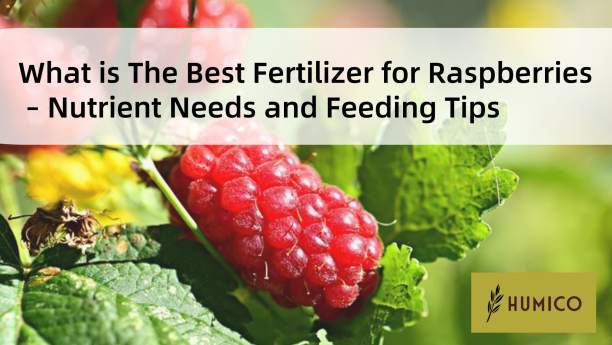
The Best Fertilizer for Raspberries
Raspberries require the proper balance of nutrients and fertile soil to thrive and produce abundant yields. The best organic raspberry plant fertilizer will provide balanced nutrition, maintain the soil’s organic matter richness, and suit the raspberry plant’s particular requirements. Testing and adjusting the soil pH is crucial for feeding raspberries, ensuring full nutrient absorption, while micronutrients play a vital role in vigorous growth.
1. Balanced Nutrition
A balanced feed, such as a 10-10-10 fertilizer, works well for raspberry plant fertilizing needs. When planting raspberries in larger areas, apply about 15–20 lbs per 1,000m2, while in smaller gardens, use approximately 2 oz of a 5-10-5 fertilizer around each plant or 1/2 cup per plant in a hill system. Slow-release fertilizers are beneficial for feeding raspberries throughout the growing season, ensuring that nutrients are not washed away too quickly. Additionally, some fertilizers are specifically formulated for berries, providing essential nutrients during each development phase, which is especially useful for those growing multiple berry varieties together.
2. Organic Matter
Incorporating organic matter is crucial for maintaining healthy soil, which is essential for growing raspberries. Compost, well-rotted manure, or worm castings will provide extra nutrients and feed beneficial soil microbes. An average of 50–100 lbs. of manure per 100m2 is recommended. Additionally, using straw or wood chip mulches helps retain water, prevent weeds, and decompose gently to nourish the raspberry plant. Alfalfa meal is another natural option that supplies nitrogen and supports the raspberry fertilizing needs. Stirring these in pre-planting and topping off every year can keep your soil rich.
3. Specific Nutrients
Raspberries require nitrogen for leaf growth, phosphorus for roots and flowers, and potassium for big, sweet fruit. Something like cottonseed meal, langbeinite, and rock phosphate in a 10-3-10 blend works well for feeding raspberries. Bone meal adds phosphorus and promotes deep root growth in raspberry plantings. If you fertilize while the raspberry plant is fruiting, adding a potassium-rich fertilizer can enhance berry flavor and size. Every raspberry variety has slightly different raspberry fertilizing needs, so see what works for your plants.
| Nutrient | Function | Fertilizer Example |
| Nitrogen | Leaf growth | Cottonseed meal, urea |
| Phosphorus | Root/flower development | Bone meal, rock phosphate |
| Potassium | Fruit quality | Langbeinite |
4. Soil pH
Test soil pH regularly to maintain it in the 5.5–6.5 range for optimal growth when planting raspberries. If your soil is too alkaline, adding sulfur or more compost can help lower the pH. Conversely, add lime to increase pH if your soil is acidic. Soil pH will significantly influence how effectively raspberry plants can utilize the nutrients from fertilizers you provide.
5. Micronutrient Boosts
Raspberries require trace amounts of iron, manganese, and zinc, which are essential for their growth. To meet their raspberry fertilizing needs, chelated micronutrient fertilizers assist the plants in absorbing these nutrients more efficiently. Yellow leaves or weak growth can indicate a shortage, so keep an eye out for it! Applying organic fertilizer during critical periods can provide a fast boost, helping to maintain robust and fruitful raspberry plants.
Understand Raspberry Needs
Raspberries require consistent attention and quality nourishment to produce succulent, robust berries. Both summer- and fall-bearing types absorb nutrients at varying speeds and require consistent feeding raspberries. Summer types, such as June-bearing, generally require a little extra in the early season, whereas everbearing types have an extended demand period. Raspberries are very heavy feeders and need proper raspberry fertilizing needs to thrive. Without sufficient nutrients, canes weaken, berries shrink, and the crop pays the price. Balanced fertilizer (10-10-10) works well, but frequent soil tests allow you to fine-tune for local conditions. Adequate water and timely pruning aid nutrient absorption, and mulch maintains root moisture and coolness. Avoid late summer or fall fertilizing since the new growth will not harden before winter arrives, putting the plant at risk for damage.
New Canes
Young raspberry canes do well on a balanced 10-10-10 fertilizer. Early spring, approximately 10-14 days after planting, is optimal for the initial dose. Apply approximately 15-20 pounds per 1,000 square feet, distributing around the base. Adding organic matter — compost or well-rotted manure — both improves soil and feeds roots. Manure can contribute up to 45 kgs per application if worked in lightly.
Water thoroughly and keep soil moist but not soggy so the roots can settle. Look out for dry spells, particularly in the first year. Excessive fertilizer damages new canes. Over-fertilizing burns roots and early growth.
Flowering
Phosphorus becomes key as raspberries bloom. It powers robust blooms and aids fruit set. Potassium is important now, too, as it forms the flowers and sustains berry growth. Apply a bloom-friendly fertilizer if the soil test reveals a deficit. Water is equally essential—parched roots, less blooms. Keep soil damp, particularly if rain is light.
Inspect for pests or mildew that can crimp bloom counts. Early action is what keeps the plants healthy.
Fruiting
| Fertilizer Type | Effect on Berry Quality | Effect on Size |
| 10-10-10 | Balanced, steady growth | Medium |
| Manure | Improved taste, richer color | Larger |
| High K | Firmer berries, longer shelf life | Slightly larger |
| Over-fertilize | Soft, bland fruit | Irregular |
Regular watering and feeding raspberries are important for fruiting. Mulch holds moisture and prevents weeds from nutrient theft, while frequent picking maintains berry production and relieves strain on raspberry bushes.
Dormancy
Fertilizer needs plummet in winter as raspberry plants sleep, conserving energy for spring. Late fall is an excellent time for gardeners to build their soil for next year by adding organic matter and organic raspberry plant fertilizer. Watch moisture—dry winter soil can injure roots, impacting the growth of fresh raspberries.
When to Fertilize Raspberries
The best results in growing raspberries come from aligning fertilizer to the raspberry plant’s natural cycle. Timing is everything – use organic raspberry plant fertilizer in early spring, late spring, and after harvest to keep the plants healthy and productive.
- Fertilize 10–14 days after planting, then once each spring.
- Apply a balanced fertilizer, like 10-10-10, at the rate of 15–20 kg per 100 m2.
- Incorporate organic matter such as well-rotted manure or compost for gradual nutrient availability.
- Don’t fertilize in late summer or early fall, as this will promote tender new growth that can be damaged by winter.
- Change timing and amounts depending on soil tests, plant health, and climate.
- Be on the lookout for heavy rain in the forecast. Just don’t fertilize before storms to prevent run off.
Early Spring
Fertilize in early spring as soon as the soil can be worked. This timing promotes quick root and shoot development, preparing your plant for a powerful season ahead. Balanced fertilizers like 10-10-10 work well, providing essential nutrients right when plants require them most.
Incorporate organic matter into the topsoil to increase moisture retention and fertility. Incorporating compost or well-rotted manure will assist in supplying a steady nutrient supply through the early growth period. Soil temperature should be at least 7°C for best uptake, as colder soils slow down root activity and consequently make fertilization less effective.
Late Spring
Reassess plant condition and soil nutrients as the active growth phase begins. If soil tests or leaf color indicate a need, apply additional fertilizer, emphasizing potassium to assist the fruit to set and ripen. Certain raspberry varieties require additional potassium at this time due to berry size and quality.
Water your plants well after you fertilize to move nutrients into the root zone. Watch for symptoms of nutritional issues, such as yellowing leaves or wilted growth, and modify the feeding schedule accordingly. Don’t overdo it, though — too much fertilizer will give you soft growth that breaks easily.
Post-Harvest
Once you’ve harvested, fertilize again to replace what was lost due to fruiting. A balanced fertilizer encourages this new cane and root growth, which is so important to next year’s crop.
Stir in compost or organic matter to maintain soil vitality for future cycles. Test the soil nutrient levels to determine if additional feeding is required for recovery. Modify next year’s fertilization schedule according to these late-season sees.
How to Fertilize Raspberries
Raspberry plants require a good blend of nutrients to grow robust canes and develop vigorous fruit setting, making understanding their raspberry fertilizing needs essential. Soil type and planting style can significantly alter the amount and type of fertilizer raspberries require. For instance, dry sandy soils typically require more frequent feeding, while richer heavier soils retain nutrients longer, necessitating less fertilizer. Raised beds can dry and leach nutrients more quickly than ground plantings, so applying the correct method for each set-up allows raspberries to receive everything they need without excess.
Granular Application
Apply granular fertilizer around the base of each plant in a ring, several centimeters away from the stems. This configuration prevents root burn and retains nutrients in reach of roots. Water thoroughly after applying to get the granules to begin to break down and feed the plant. Rake the fertilizer into the top 2-5 cm of soil with a hand rake. It makes roots absorb nutrients more quickly and reduces runoff.
Don’t place fertilizer right up against the plant crown. Excess contact can scald new roots or strain the plant, particularly in warm weather. Always apply the label rate or less, not more, even if plants appear flaccid. Over-fertilizing can damage growth or contaminate groundwater.
Liquid Feeding
Liquid fert is great for a quick hit, such as when plants hit new growth or fruit set. Stir in the liquid feed according to the label, as excess can scorch the plants. Gently pour the watered down liquid at the base of the plant when you water as usual, so the roots receive the nutrients immediately.
See how your plants react. If leaves darken to dark green and growth accelerates, the feeding does its job. If growth slows or leaves yellow, cut back your feeding. Some growers apply liquid feed every two to three weeks during peak growing season, but always monitor how the plants respond.
Top Dressing
Top dressing is compost or well-rotted manure as a slow-release feed. Mulch with a 3-5 cm layer around the root zone. This keeps nutrients within reach and helps the soil retain moisture.
Lightly incorporate the top dressing into the soil, but do not dig deep. This allows roots to contact the nutrients as they expand. Top dressing is most effective as a bite of extra feed for intense growth periods, such as post-pruning or just prior to fruiting. Track when and how much you add to see what works best for your plants.
Beyond The Bag
Raspberry plants need more than just bagged fertilizer; understanding their raspberry fertilizing needs is crucial. Their perennial roots and biennial canes require careful attention, enabling you to plant raspberries that yield fruit season after season and create a resilient orchard.
Soil Biology
Good soil sustains berries for the long term. Incorporating well-rotted compost or aged manure increases organic matter, which ought to hover above 3 percent for optimal outcomes. This nourishes microbes and fungi, which assist in decomposing nutrients for the plant’s shallow roots. Don’t stack on synthetic chemicals—these can destroy earthworms and other beneficial life in the soil.
Earthworms are the indicator that your soil is alive and well. Their tunnels assist air and water to reach raspberry roots and their castings add nutrients. Attracting these worms can be as simple as mulching or leaving green trash between rows.
Just like the seeds, making routine soil checks matter too. Test for pH, organic matter and structure. This helps identify issues early, such as compacted soil or insufficient nutrients, and allows you to make adjustments before growth stagnates.
Water Quality
Water is crucial, but not every water will help build strong raspberries. Check its pH and dissolved minerals. Raspberries prefer water that is a bit acidic, and excessive chlorine or salt can inhibit growth. If possible, use rainwater or filtered water to reduce root stress.
Roots require air as well as water. Excess water, particularly over several days, drowns roots and increases the likelihood of root rot. Drip irrigation does the same by applying consistent moisture directly at the root without drenching the entire bed. It reduces runoff as well, retaining nutrients where the plants can benefit.
Companion Plants
Companion planting can keep raspberries healthy. Legumes such as clover or peas fix nitrogen, nourishing the soil and lessening fertilizer requirements. Herbs like chives or flowers such as marigold draw pollinators and keep away pests that nibble on raspberry canes.
Switch up your companion plants annually. This contains soil-borne diseases and balances nutrients, maintaining the raspberry bed productive for many seasons. Having a combination of plant partners translates into a healthier, more stable garden requiring less chemical interventions.
Common Fertilizing Mistakes
Fertilizing raspberries can be tricky if you’re not sure what to look for. Mistakes with timing, amount, or soil needs can damage your plants and reduce yield. Here are the main missteps to steer clear of:
- Fertilizer overuse, leading to leaf burn or feeble growth
- Fertilizing at the wrong time of year or during bad weather.
- Not checking soil health before adding nutrients
- Ignoring signs that your plants need a change
Discover what raspberries crave, keep an eye out for distress signals, and adapt your strategy accordingly. Soil tests and judicious plant inspections steer your next move.
Over-Fertilizing
Raspberries are one of the few plants that give an immediate indication if they are overfertilized. Watch for leaf tips browning or yellowing, stems that don’t develop much, or feeble roots. Excess nutrients can even prevent the plant from absorbing water, causing it to wilt or appear ill.
Don’t deviate from the raspberry fertilizer amounts. Less is more. If you put it on too soon, or in excess, the soil becomes unbalanced and the plants can be stressed. Let the soil settle before you feed again – this reduces stress.
Slow-release fertilizers to the rescue. They feed the plants gradually, which reduces the potential of over fertilizing. This maintains growth even and robust.
Wrong Timing
When you fertilize is just as important as what you use. Raspberries require the majority of their nutrients as they begin to leaf out and develop fruit. Add fertilizer too soon or too late, and most of it is wasted or washes away with the rain. Hot or freezing weather can prevent plants from absorbing what you give them.
Observe your raspberries growth. If they’re already thick and vigorous, you may not need to feed them the extra fertilizer. Switch your timing if the weather changes. More frequent checks during the growing season help keep you on track.
Ignoring Soil
Soil is ground zero. Get your soil tested frequently. This reports back to you what’s lacking or if there’s an over-abundance of something already. If you’ve got sandy or heavy clay soil, pick fertilizers that suit those needs.
Incorporate organic material as compost or manure that is well-rotted. This causes soil to retain water and nutrients better, and keeps roots healthy. Healthy raspberries come from healthy soil.
Conclusion
Raspberries prefer a straightforward, balanced fertilizer providing what they require to thrive and produce fruit. Good soil, steady water and the right feed keep your plants strong and your berries sweet. Peoples’ preferences are often a 10-10-10 mix or compost, and both do well if used correctly. Go heavy with fertilizer or the wrong kind, and you can burn the roots. Read the bag, follow the numbers and see what happens to your plants! Strong, bright leaves indicate you’re doing well. Need more tips or got a question for your raspberries? See more guides or submit your own story. Cultiva inteligente, manténlo simple, y comparta lo que funciona para usted.
Frequently Asked Questions
What is the best fertilizer for raspberries?
The best fertilizer for raspberries, particularly when planting raspberries, is a balanced granular fertilizer with equal parts nitrogen, phosphorous, and potassium, like a 10-10-10, which promotes healthy growth and fruit production.
When should I fertilize raspberries?
Feed raspberry plants early in the spring as new growth begins, and consider using organic raspberry plant fertilizer. A second application can be beneficial after fruiting to support healthy berry production.
Can I use organic fertilizers for raspberries?
Indeed, organic raspberry plant fertilizer alternatives such as compost, well-rotted manure, or fish emulsion work just fine, enriching the soil and promoting healthier plants naturally.
How much fertilizer do raspberries need?
Use approximately 50 grams of organic raspberry plant fertilizer per plant per year. Scatter it around the base, ensuring it doesn’t touch the stems.
What nutrients are essential for raspberries?
Raspberries require nitrogen for leaf growth, phosphorus for root and fruit development, and potassium for strong stems, making raspberry plant fertilizer essential.
Can over-fertilizing harm raspberries?
Yup, too much raspberry plant fertilizer can lead to weak growth, poor fruit quality, or root burn. Always use recommended rates and carefully monitor your raspberry bushes.
Should I fertilize young raspberry plants differently?
Young raspberry plants, especially when planting raspberries, require less fertilizer. Begin by applying raspberry plant fertilizer at half the suggested rate to avoid burning roots, then increase as the plants mature.
Written by Humico | Organic Fertilizer Manufacturer
Original article source: https://www.ihumico.com/what-is-the-best-fertilizer-for-raspberries/


