
Key Takeaways
- Choose acid-loving plant fertilizers and possibly organics for slow, steady feeding for long-term health.
- Apply a balanced NPK fertilizer and modify the proportion according to your Christmas cactus’s growth phase and requirements.
- Decide between liquid and granular fertilizers based on your cactus’s specific requirements and application preferences.
- Always dilute fertilizers accordingly, water before and after, and never fertilize while dormant as it can damage the plant.
- Be on the lookout for signs of overfeeding, like yellowed leaves or stunted growth, and modify your feeding regimen or flush soil as necessary.
- Try other fertilizers — Epsom salts, coffee grounds, compost tea — but watch how your plant responds.
Christmas cactus is one of the most popular ornamental plants in the world. If you are a fertilizer manufacturer who want to produce fertilizer for Christmas cactus. This article is a comprehensive guide to help you understand what kind of fertilizer is best for Christmas cactus.
The optimal Christmas cactus fertilizer is a balanced water-soluble blend with equal portions of nitrogen, phosphorus and potassium, usually designated 20-20-20. A lot of growers supplement with fertilizers that add trace elements such as magnesium and iron to support robust growth and coloration in the blooms. Liquid formulas are the best as they dilute easily in water and make their way to the roots quickly. Others half strength feed in the growing season, once every two to four weeks. Slow-release options are another, though less common for indoor plants. Selecting a fertilizer with no urea prevents root burn. Knowing the right type and schedule can help keep your Christmas cactus healthy. The following section discusses how to apply these options for maximum effectiveness.
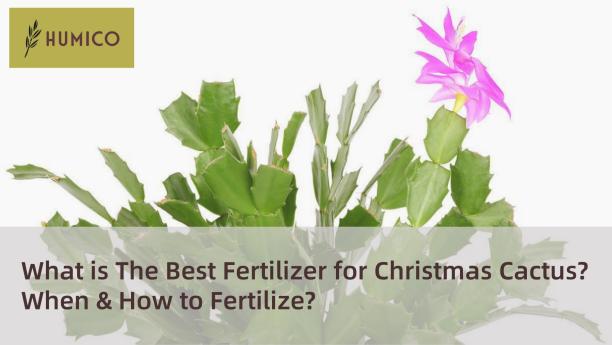
The Best Fertilizer for Christmas Cactus
The Christmas cactus requires the right nutrients for optimal growth and flowering, especially during the holiday season. Selecting the best fertilizer is crucial, as it varies based on your plant’s needs and phase. Organic fertilizers are ideal for providing slow, steady feeding, while synthetic options act quickly but need careful monitoring. Understanding your soil and preference for holiday cactus care will help you choose the appropriate variety for good flower bud production.
| Fertilizer Type | NPK Ratio | Price Range | Key Benefits | Notes |
| General Purpose (Water-Soluble) | 20-20-20 | Moderate | Balanced nutrients for growth and blooms | Widely available, use at half-strength |
| African Violet Food | 12-36-14 | Moderate | Supports flowering, gentle on roots | Suitable for acid-loving plants |
| Low-Nitrogen (for Budding) | 0-15-0 | Low | Boosts bud set, limits leaf growth | Use in late summer/fall |
| Organic (Compost Tea) | Variable | Low | Slow-release nutrients, supports soil health | Homemade or store-bought |
| Epsom Salt (Magnesium) | – | Very Low | Provides magnesium, prevents deficiency | Mix 1 tsp per 4 liters water monthly |
1. Ideal Ratio
The best fertilizer for Christmas cactus care is balanced, such as 20-20-20 or 20-10-20. This mix provides sufficient nitrogen for foliage, phosphorus for roots and flowers, and potassium for general well-being. Other growers use African violet food, which is great for acid-lovers as well. In the fall, switch to a low-nitrogen type like 0-15-0 to help the plant set buds. Observing your holiday cactuses is essential, as every variety might respond a little differently, so tweak accordingly.
2. Liquid vs. Granular
Liquid fertilizer acts quickly and is easy to blend with water, making it ideal for holiday cacti that require immediate nutrient support. Great if you’re looking to see quick results with your plants, especially during the holiday season. Granular fertilizer breaks down slower, feeding the plant for weeks, which is useful for gardeners who prefer a slow release for their cacti.
3. Organic vs. Synthetic
Organic fertilizers, such as compost tea, provide sustained nutrient delivery and promote soil quality for holiday cactuses. Synthetic options like plain 20-20-20 deliver quick results but can lead to salt build-up, which is a common issue in cactus care. Finding what works best for your christmas cactus plant is essential for optimal growth.
4. My Personal Blend
Always dilute the fertilizer to half-strength, particularly with soluble varieties, to prevent root burning. When caring for your holiday cacti, apply it directly to the soil, not on the leaves. Begin feeding when new growth appears in late winter or early spring, and continue every month until fall. Stir in Epsom salts (1 teaspoon per 4 litres of water) once a month for magnesium to support good flower bud production. Stop feeding in fall and winter to let buds set and prevent limp growth.
How to Fertilize Christmas Cactus
Fertilizing your Christmas cactus requires more than just grabbing any plant food, as proper Christmas cactus care is essential for optimal growth. These holiday cactuses thrive with a water-soluble, balanced bloom formula, such as a 20-20-20 or 20-10-20. Using a liquid fertilizer with a balanced nitrogen/phosphorus/potassium ratio prevents root burn and excessive growth. For fall, a low-nitrogen option like 0-15-0 encourages flower bud production instead of leaves. Incorporating Epsom salts—1 teaspoon per liter of water, once a month—supplies necessary magnesium. Always dilute fertilizers to half label strength, as full strength can harm roots, and NEVER fertilize during winter when the cactus rests.
Dilution
To ensure exceptional Christmas cactus care, use a measuring cup or spoon to achieve the proper dilution of fertilizer. Over-fertilizing, even by a little bit, can burn roots. It’s important to water the holiday cacti before feeding, so that the soil is damp, aiding nutrient transport to the roots evenly. Spread the fertilizer mix around the base — not in one spot — and apply it in the early morning or late afternoon, when the sun is less intense. This timing ensures that less water evaporates and more nutrients reach the roots. After initial applications, monitor for any yellowing or wilting leaves, as these can indicate over-fertilizing or a too-strong mix.
Application
To ensure good flower bud production, fertilizer should reach all parts of the root zone, so pour the solution around the soil, not just near the stem. After feeding, water lightly again to help nutrients soak down. Keep the humidity moderate, as dry air can slow nutrient uptake. Watch for signs that your holiday cacti are happy—new growth or buds. If the plant looks stressed, cut back on fertilizer or water more. Change your watering pattern during feeding times, as extra moisture can speed up nutrient use, but too much can cause root rot.
Post-Feeding Care
Begin feeding your holiday cactus in early spring as it awakens and starts to grow. Feed monthly, or more frequently if you notice a lot of new leaves and buds. In late summer, stop feeding altogether. This rest encourages good flower bud production for winter. During the fall and winter, just water when necessary and omit all fertilizer. Monitor light, warmth, and growth to adjust your cactus care accordingly.
When to Fertilize Christmas Cactus
When you fertilize holiday cacti, it will grow well and bloom on time. How often and when you fertilize depends on the season, particularly around certain holidays like Thanksgiving and Christmas, the plant’s growth, and its environment. By focusing on these considerations, you give your cactus the optimum opportunity to flourish.
Growing Season
Late winter or early spring, when new growth begins to appear, is the appropriate time to begin fertilizing. From February or March, feed with a diluted, balanced fertilizer—such as 20-20-20 trace mix—every 2-4 weeks. A monthly feeding at half strength will prevent root scorching. This coincides with lengthening days and warmer temperatures that promote growth and bud setting.
Moisten the soil, but do not make it soggy. Regular watering accompanies fertilization, allowing the plant to absorb the nutrients. Increased sunlight and daytime temperatures above 18°C accelerate growth, so you should fertilize more frequently if the plant grows rapidly. When you see flower buds appear, continue using a balanced formula as they develop. A stable environment—consistent light, moisture, and draft-free—promotes the best flowering.
Blooming Season
Once the cactus enters the bloom stage, typically in late fall or early winter, switch up the feeding. Reduce fertilization to once per month or discontinue all together. If you prefer to encourage flower buds rather than leaf growth, use a lower-nitrogen fertilizer, such as 0-15-0. Fertilizing excessive now can promote leaves growth instead of blooms or even stop blooming.
Just remember to water regularly and keep the air humid, particularly in bone-dry homes. Don’t fertilize during the deepest dormancy, which typically hits after blooming. This rest preps the plant for next year, so let it recuperate by skipping fertilizer in January.
Dormant Period
If your holiday cactus develops yellow leaves, that might indicate overwatering or a lack of nutrients. Brown tips may suggest dry air, underwatering, or fertilizer burn. Stunted growth is another indication of meager feeding or bad drainage. By monitoring these indicators, you can respond quickly—tweak water, change fertilizer, or repot if required. Immediate actions revive wellness and ensure good flower bud production.
Signs of Improper Fertilization
Christmas cactus, part of the cactus family, is sensitive to nutrients; thus, proper fertilization is crucial for good flower bud production and overall health.
Under-Fertilized
Slow growth indicates the plant is not receiving adequate nourishment. Leaves turn pale or yellow, frequently appearing thin or limp. Blossoms decrease in spring and summer, with fewer or smaller blooms. Sometimes stems may wilt, drop or branches rot if left unfed too long. Magnesium deficiency is common, and causes the leaves to become dull, or develop light green striations.
If under-fertilization, feed more during growing months – about once every 4 weeks. Select a balanced fertilizer, but apply it at half strength to prevent shock. A deficiency of micro nutrients, like iron or manganese, can result in stunted growth. These problems manifest when the plant appears feeble even when watered consistently and given adequate light. Offering a micronutrient fertilizer blend generally assists.
Over-Fertilized
Leaf tips may brown or crisp and growth can halt. The roots can burn—which can lead to stunted plants or root rot if drainage is dire. Over-fertilization leads to wilting, yellowing or dropping leaves as well. If branches appear mushy or blackened, this issue might be a salt build up from over-fertilization. Fertilizer burn can cause roots to die back, which results in permanent damage.
Flush soil with lots of clean water to remove excess salts. Reduce fertilizer strength and feed only when actively growing, never when in bloom. Keep an eye out for signs of new growth—new leaf development, brighter color and more rigid stems.
Alternative Fertilization Options
Epsom salts provide magnesium, fixing leaf yellowing and aiding flowers. Dissolve 1/2 teaspoon in 1 litre of water and apply monthly during the growing season. Coffee grounds can increase soil acidity and provide a light nutrient jolt but utilize in moderation, blending into compost or topsoil. Compost tea is a mild medicine, enriching the soil and watering in an infusion of nutrients and calming microbes that soothe stressed roots.
Pair these with regular fertilizer to keep your plant well-fed but not overwhelmed. Above all, ALWAYS check soil moisture and drainage before fertilizing to avoid root problems. Monitor the plant’s appearance to tweak your plan as necessary.
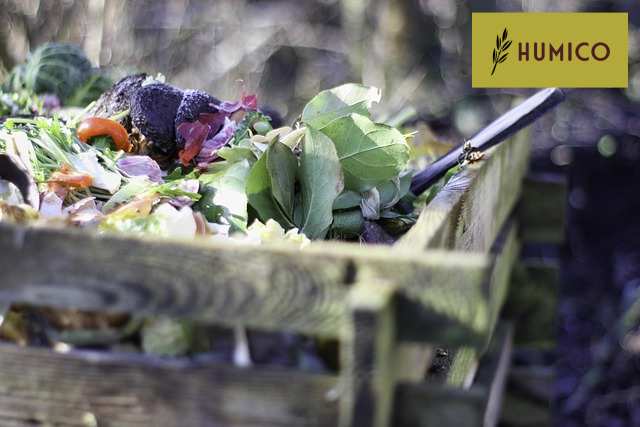
Beyond Traditional Fertilizers
The Christmas cactus, a popular holiday plant, requires more than just standard balanced fertilizer for optimal health and flowering. Incorporating organic fertilizers like Epsom salts and coffee grounds can enhance nutrient transport and ensure good flower bud production, supporting the exceptional Christmas cactus care needed for vibrant blooms during the holiday season.
Epsom Salts
Epsom salts are an easy way to deliver magnesium to your Christmas cactus care routine. Magnesium assists the plant in producing chlorophyll, essential for photosynthesis and growth. To use, dissolve approximately one teaspoon of Epsom salts in about one liter of water. Water your holiday cactuses with this mix every month during the growing season. Others suggest a combination of Epsom salts and their usual balanced fertilizer to enhance the plant’s health and flower bud production. Watch the plant’s leaves—yellowing can indicate a magnesium deficiency—and increase the amount if necessary. Regularly sprinkling Epsom salts supports stronger stems, greener leaves, and more blooms.
Coffee Grounds
Used coffee grounds provide a mild slow-release source of nutrients that suit the Christmas cactus care. They assist in raising soil acidity, which this plant favors, and offer essential trace nutrients such as potassium and phosphorus. By sprinkling dry, used grounds onto the soil and mixing them in lightly, you can enhance the nutrient transport regulator for your holiday cacti. Stirred into potting soil, they help retain moisture and improve soil airflow. However, don’t overdo it; too much can acidify or clog the soil. A little goes a long way—a light dusting every few months is sufficient. Used coffee grounds, not fresh, are ideal for promoting good flower bud production and keeping your plant healthy year-round.
Compost Tea
Compost tea provides a nutrient-dense lift without the harshness of chemicals, making it an excellent choice for holiday cacti care. To create this tea, brew well-rotted compost in water for a couple of days, strain, and then water your cactus with it. This tea not only feeds the plant but also supports the friendly microbes in the soil, enhancing flower bud production. Use compost tea during the key growing months when the cactus is most active, and experiment with various composts to discover what your holiday cactus loves best!
Balancing Needs and Methods
To get the best from your Christmas cactus, you’ve got to feed it what it craves – magnesium, trace minerals, and a touch of acid. For exceptional Christmas cactus care, a solid strategy mixes standard balanced fertilizer with natural enhancers like Epsom salt. Experiment and adjust your schedule depending on how your plant appears. Think healthy nutrition = brighter blooms, stronger stems, and longer-lasting holiday cacti.
My Philosophy on Plant Nutrition
A Word About Plant Nutrition
Raising holiday cactuses and African violets, I grew up knowing that the right food can make a real difference. A robust bloom on a healthy cactus doesn’t come out of nowhere; it requires the proper combination of nutrients at the appropriate time.
The ideal fertilizer for a Christmas cactus is a balanced, water-soluble mix, something near to a 20-20-20 composition. Applying it at full strength can be too strong and burn the roots. I always dilute it to half strength. For instance, seven drops in approximately one liter of water does the trick. That way, the plant receives what it requires without strain. I apply this blend every other watering. Adhering to a frequent yet light schedule prevents overfeeding and keeps the plant robust, especially during the holiday season.
Timing is as important as what you use. There’s no question in my mind that fertilizer’s most important moment is while you’re growing—in the spring and summer. This is when the cactus is preparing for its festive flowers. When fall arrives, I convert to a low-nitrogen fertilizer. This tricks the plant into curbing leaf growth and begins making buds for the upcoming holidays. It’s crucial to stop fertilizer in winter. By that time the cactus really isn’t growing that much. Providing it with nourishment during this slumber can actually be detrimental.
Beyond general fertilizers, Christmas cactuses require more magnesium than most other houseplants. I mix in some Epsom salts, about a teaspoon in four liters of water, once a month, providing magnesium for leaf strength and flower health. It’s a baby-step that does a lot of good, particularly if you have pale leaves or wimpy blossoms.
Experimenting with alternatives, such as different fertilizers or organic mixes, can make a difference. Some people swear by compost teas or worm castings, which is fine if you’re a naturalist. The key is to remain mindful of your plant’s requirements and tweak accordingly.
Conclusion
Christmas cactus plants require the proper nutrition to bloom well and maintain their green color. Quality balanced plant food makes a world of difference. Try to find a straight liquid or water-soluble fertilizer. Fertilize during spring and summer, then taper off as it blooms. Keep your eyes peeled for symptoms such as yellow leaves or feeble growth. Try compost tea or worm castings if you want to bypass store-bought mixes. Every plant grows at a different rate, so listen and respond accordingly. For more plant pointers or assistance with finicky care requirements, leave a question or even your own cactus anecdotes. Your comments make us all cultivate better vegetation.
Frequently Asked Questions
What is the best fertilizer for Christmas cactus?
A balanced, water-soluble fertilizer, like a perfect Christmas cactus fertilizer with equal parts nitrogen, phosphorus, and potassium (such as 20-20-20), works best for holiday cacti.
How often should I fertilize my Christmas cactus?
Feed your Christmas cactus with a balanced bloom formula houseplant fertilizer once a month during the growing season, typically spring to early autumn, to ensure good flower bud production.
Can I use organic fertilizer for my Christmas cactus?
Yes, organic fertilizers like compost tea or worm castings can nourish your holiday cacti. Ensure the nutrients are balanced for good flower bud production, and dilute them to avoid overfeeding.
What happens if I over-fertilize my Christmas cactus?
Over-fertilizing holiday cacti can result in yellow leaves, weak growth, and salt accumulation in the soil. Use a balanced bloom formula houseplant fertilizer low in nitrogen and always heed the fertilizer’s instructions — don’t use too much.
When should I stop fertilizing my Christmas cactus?
Stop fertilizing holiday cacti approximately 1 month prior to bloom time, typically in the fall, to assist the plant in getting ready for good flower bud production.
Are there alternatives to traditional fertilizers for Christmas cactus?
Yes, you can use organic choices such as compost, worm castings, or diluted fish emulsion to promote soil health and support holiday cacti.
What are signs my Christmas cactus needs more fertilizer?
If your plant’s leaves are pale, or it grows slowly or doesn’t have many flowers, it might be nutrient deficient. Fertilizing it right can help it flourish.
Written by Humico | Organic Fertilizer Manufacturer
Original article source: https://www.ihumico.com/what-is-the-best-fertilizer-for-christmas-cactus/


