
Key Takeaways
- Choose fertilizers with balanced NPK values to feed every stage of your garlic’s development and increase bulb size.
- Go organic with compost, bone meal, and kelp to boost soil, supply slow release nutrients, and add flavor.
- Apply synthetic fertilizers carefully for rapid nutrient availability. Monitor application to avoid plant damage and evaluate their impact compared to organic methods.
- Make sure garlic gets micronutrients like potassium, calcium, magnesium, iron, and zinc to avoid deficiencies and promote healthy growth.
- Regular soil testing and adjustment of amendments for optimal fertility, pH, and structure is key to successful garlic growing.
- Timing fertilizer applications with garlic’s growth phases — such as pre-planting, fall feeding, and spring boosts — and selecting the best type of fertilization for your soil and climate.
My favorite fertilizer for garlic is a balanced mix that supplies both nitrogen and potassium, like what you find in compost or all-purpose organic fertilizers. Garlic seems to do best with soil rich in these main nutrients, with consistent feeding throughout its elongated growing season. Good fertilizers for garlic include well-rotted manure, compost, or a granular mix like 10-10-10. Some growers apply fish emulsion or bone meal for extra bulb support. Soil tests identify nutrient deficiencies, so you can more easily select what complements local soil needs. Various climates and soils may require minor adjustments in fertilizer selection. The next section discusses how to apply these choices for robust garlic development.
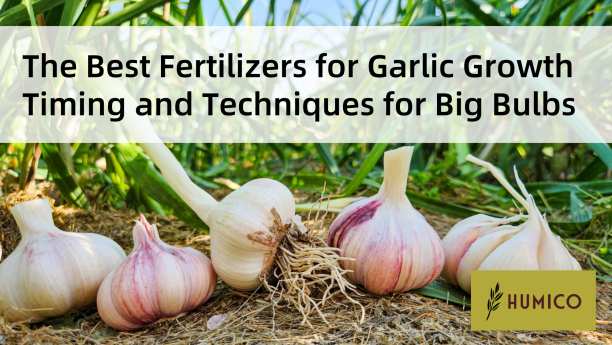
What is the Best Garlic Fertilizer?
Garlic is a heavy feeder, so it requires consistent, balanced nutrition from planting through harvest. Choosing garlic varieties that thrive in your soil will impact not just growth but yield and bulb quality too. The right fertilizer, whether organic or synthetic, aligns with garlic’s shifting nutrient needs as it develops.
1. Balanced N-P-K
Balanced fertilizers, such as organic garlic fertilizer, like 10-10-10, provide a combination of nitrogen, phosphorus, and potassium. For successful garlic cultivation, garlic requires more nitrogen early in the season for green growth, but it can harm yields if applied after the garlic bulbs start forming. Tuning nitrogen, phosphorus, and potassium by stage assists. For instance, begin with higher nitrogen, then transition to higher phosphorus as bulbs begin to form. It’s clever to watch nitrogen so you don’t get lots of leaves and tiny bulbs. Ultimately, select a garlic fertilizer that matches garlic’s requirements and regularly test your garden soil’s baseline nutrients pre-season.
2. Organic Choices
Well-rotted compost or manure contributes slow-release nutrients and enhances soil texture, fostering vigorous roots and robust garlic yields. Fish emulsion provides a rapid nutrient kick in early growth and is convenient to apply as a liquid feed. Bone meal delivers additional phosphorus, which garlic requires to produce large garlic bulbs. In addition, kelp or seaweed-based fertilizers deliver micronutrients that help garlic combat stress and enhance its fragrant garlic flavor. These choices work fine for home gardeners who desire sustainable methods and consistent growth.
3. Synthetic Options
Ammonium sulfate and urea provide fast-acting nitrogen, which can jumpstart early garlic cultivation. Use them with caution, as overdoing it can burn garlic plants or stunt garlic bulbs. Water-soluble fertilizers aid in fine-tuning your feeding, particularly during the high-growth spurt in the spring. While chemical fertilizers can accelerate garlic growth quickly, natural ones tend to nurture soil health in the long run, helping home gardeners balance their approach for a successful harvest.
4. Key Micronutrients
Potassium is key for bulb growth, contributing to the robust garlic yields and helping garlic store better after harvest. Calcium and magnesium keep the garlic plant healthy and prevent typical disorders. Iron and zinc, even in small quantities, keep leaves green and ensure strong bulb formation, ultimately enhancing the garlic flavor and simplifying prevention.
5. Soil Amendments
Adding organic matter compost increases soil fertility and maintains even moisture, essential for robust garlic yields. Neem cake provides nutrition to the ground and can prevent soil pests, while rock phosphate is a good choice to slow-release phosphorus. Amending soil each season keeps nutrients balanced, supporting healthy garlic growth and helping garlic weather fluctuations.
Understand Garlic’s Needs
Garlic requires a consistent source of the appropriate nutrients throughout its extended growing season, spanning eight to nine months. As a heavy feeder, it utilizes more nutrients than many other crops, making proper fertilization essential for healthy garlic. The right fertilizer schedule must align with garlic’s evolving requirements at each phase, and the soil should maintain a pH of 6.0 to 7.0 for optimal garlic crop performance.
Growth Stages
Garlic goes through three main stages: early growth, mid-season, and bulbing, which are essential for successful garlic cultivation. During early growth, garlic expends energy to produce robust green leaves, requiring high nitrogen; thus, a side-dress of composted manure or a nitrogen-rich fertilizer is crucial. In mid-season, garlic thrives on a more balanced fertilizer to maintain plant health as it transitions energy from leaves to roots. Once the garlic plant reaches the bulbing stage, typically late spring or early summer, it’s time to reduce nitrogen and increase potassium to encourage larger, firmer garlic bulbs rather than additional leaf production. Nitrogen abuse at this stage can also lead to smaller bulbs.
Nutrient Demands
Nitrogen is garlic’s most important nutrient during the first couple of months, especially for robust garlic yields. Nitrogen deficiency can manifest as yellowing leaves, particularly in spring. As the garlic plant matures, phosphorus and potassium become more crucial for healthy garlic bulbs. Phosphorus promotes strong roots, while potassium is essential for a successful harvest. Fertilizer should be adapted with the seasons; in cool, wet springs, nutrients can leach out of sandy soils too fast, necessitating top-ups. Garlic likes to have its soil nutrient content and pH checked and amended as necessary, especially if it is too acidic or alkaline.
Deficiency Signs
- Yellow leaves in spring—often a sign of nitrogen deficiency
- Small or misshapen bulbs may signify too little phosphorus or potassium.
- Brown leaf tips could be fertilizer burn from over-fertilizing.
- Weak growth and pale color may indicate a general nutrient deficiency.
Catching these early is beneficial for maintaining healthy garlic. Garlic is very responsive to side-dressing with organic garlic fertilizer, well-rotted manure, and balanced granular fertilizers. Tackling issues as they arise is the optimal approach for ensuring robust garlic yields.

The Role of Your Soil
Soil is central to successful garlic cultivation. It’s more than just an anchor for your garlic plant; it nourishes the crop at every step, from clove to planting to harvest. Rich, loose, well-draining garden soil provides garlic the best opportunity to develop large, healthy bulbs. Because garlic is in the ground for eight to nine months, it takes soil nutrients at a slow and steady pace. If your soil is depleted or compacted, bulbs will be miniature, and plants may stress, such as yellow leaves from nitrogen deficiency. The right fertilizer also shelters garlic from harsh winters and assists it in emerging speedily in spring.
Soil Testing
Annual soil tests are the foundation of good garlic cultivation and fertility. Begin with a test pre-planting to measure nutrient levels and pH, which is essential for achieving robust garlic yields. Most labs or test kits can indicate whether you need to add nutrients or adjust the soil’s pH. Garlic likes high phosphorus and moderate nitrogen, so knowing what your soil already contains saves you effort and cash. If tests reveal deficiencies, fill them with compost, aged manure, or specialized organic garlic fertilizer. Think about testing every couple of years, not just once, to stay ahead of shifting soil requirements.
pH Balance
Garlic grows best when soil pH remains between 6.0 and 7.0, as this balance is crucial for healthy garlic root development. If your soils are too acid, mix in lime, and if they are too alkaline, use sulfur. Testing your pH once a season is important because it fluctuates with rain, fertilizer, and garlic crops. PH shifts can lock away nutrients, making them harder for garlic roots to absorb, leading to a lower garlic yield.
Soil Structure
Good garlic soil retains water and drains well, which is essential for healthy garlic growth. Stir in compost or leaf mold to maintain the soil loose and airy, allowing the garlic roots to grow deep and strong. Mulching with straw or shredded leaves keeps the soil moist and cool, helping to reduce weed growth. For compacted soils, a light till in early fall admits additional air, but avoid excessive tilling to prevent degrading its structure. Allowing your garlic plenty of room—approximately 15 to 30 centimeters between plants—enables robust garlic yields and maximizes the development of garlic bulbs.
https://www.youtube.com/watch?v=fXr8euqvvAA
When to Fertilize Garlic
Garlic is a heavy feeder, so timing fertilizer just right makes a big difference in both yield and bulb size. Proper fertilization comes in multiple phases: pre-planting, fall feeding, and spring boosts, all with a direct purpose in garlic cultivation. Timing is adjusted by climate, garlic varieties, and soil conditions.
- Prepare soil with fertilizer prior to planting garlic regardless of fall or spring.
- When to Fertilize Garlic.
- Enhance nutrients in early to mid-spring when garlic is growing rapidly.
- Stop fertilizing approximately two months prior to harvest to prevent soft bulbs.
- Adjust timing by monitoring garlic growth and local weather conditions.
Pre-Planting
Be sure to mix in fertilizer into soil prior to planting your garlic cloves. Apply well-rotted compost, aged manure, or a balanced organic fertilizer. All of these options enhance both soil structure and fertility, providing your garlic with a great foundation. If the soil test indicates low nutrients, add targeted amendments such as bone meal for phosphorus or potash for potassium. Aim for an even mix 10 to 15 centimeters deep.
Both spring and fall planting are best served by a pre-planting fertilizer. For spring planting, ignore fall feeding and concentrate on soil preparation immediately prior to planting. This timing guarantees nutrients are there when roots begin to grow.
Fall Feeding
Fall fertilizing, just prior to or at planting of garlic, allows the roots to settle in and grow prior to the sleepy dormancy of winter. Slow-release options, such as granular organic blends, nourish garlic over time. Fertilize at planting and water the soil well to spread nutrients. If you live in an area with heavy fall rains, watch moisture so nutrients do not wash away.
Healthy fall feeding results in robust root systems, stronger overwintering, and a spring head start. Yellowing leaves, if you notice them, can indicate either that roots require more nutrients or that the soil is too wet.
Spring Boosts
Garlic requires additional nutrition as growth intensifies in early spring. At this point, garlic resembles a green onion and leaf growth is fast. Fertilize every three to four weeks with liquid fertilizer or compost tea until the bulbs begin to swell. Nitrogen-rich choices are ideal at this point, like fish emulsion or diluted poultry manure, to bolster succulent green leaves.
Observe plant growth and feed accordingly. Too much fertilizer late in the season can soften bulbs, so cease feeding about two months prior to harvest. For fall-planted garlic, begin spring feeding as soon as new shoots emerge.
How to Fertilize Garlic
Garlic does well with a consistent nutrition schedule. How you fertilize depends on the soil, how mature the garlic is, and your intended usage. Here are three main ways to fertilize garlic:
- Mix fertilizer into the soil before planting (incorporation)
- Top-dress around growing plants with fertilizer.
- Use liquid fertilizer for fast uptake (liquid feeding)
Selecting the finest approach involves soil type, weather, and garlic’s current stage of development. Right timing and even distribution ensure the garlic receives what it requires without excess.
Incorporation
Fertilizing garlic is essential for a successful harvest. Mixing fertilizer into the soil before planting helps set the garlic plant up for strong roots and robust garlic yields. Most growers use a trowel or fork to work dry fertilizer 7 to 10 centimeters deep, just beneath where the garlic bulbs will sit. This can include organic material such as compost or well-rotted manure, which enhances both nutrients and soil texture for healthy garlic growth.
It’s important to avoid over-fertilizing, as too much can burn the baby garlic roots and hinder garlic crop development. For instance, two to five kilograms of blood meal per ten square yards is a typical recommendation. Additionally, prior to planting, some gardeners submerge garlic cloves in a diluted liquid fertilizer for 30 minutes, giving the bulbs a jump-start as they begin to sprout. Always strive for even mixing to prevent hot spots in the soil.
By ensuring proper fertilization, home gardeners can achieve a great garlic crop year. This attention to detail, along with the right fertilizer, will lead to plump cloves and a bountiful harvest time. Remember, healthy garlic thrives in well-prepared garden soil, making fertilization an essential step in garlic cultivation.
Top-Dressing
Top-dressing is usually performed in early spring when garlic comes out of dormancy and begins to grow once again, particularly with fall-planted garlic. Sprinkle granule fertilizer on the soil surface, about 8 to 10 centimeters from the plants, then water so it penetrates to the roots. This side-dressing method helps if leaves yellow, which is a symptom of nitrogen deficiency.
Inspect your garlic every few weeks. If growth slows or leaves look pale, additional top-dressing may assist. Just don’t mound fertilizer against stems as it will burn them.
Monitor your intake. Too much at a time can cause salt buildup in soil. Dust it lightly, water it in, and let the plants absorb what they require.
Liquid Feeding
Liquid feedings with fish emulsion or compost tea provide fast-acting nutrients when garlic is in strong growth. Feed every 3 to 4 weeks through spring. Water the soil around each plant, not the leaves, with a watering can.
The appropriate dose varies by product. Always heed the label. Cut back feeding as bulbs form because excess nitrogen late in the season can damage bulb size and storage.
Cease fertilization approximately two months prior to harvest. This allows the garlic bulbs to mature and dry well, which is important for storage.
Fertilizer’s Impact on Flavor
Garlic’s flavor is significantly influenced by the type of fertilizer used and the conditions in which it is grown. The environment plays a crucial role in determining garlic’s taste, and the right fertilizer can enhance these conditions in remarkable ways. Different fertilizers can yield varied flavors; some produce bold and rich garlic, while others may simply mellow its bite. For instance, organic fertilizers, such as compost or well-aged manure, are favored by those seeking healthy garlic with a robust, earthy flavor. These fertilizers not only introduce a diversity of nutrients but also promote beneficial bacteria that decompose soil matter for the garlic plant to utilize. Growers often report that garlic cultivated with compost or manure has a richer and more complex flavor profile.
| Fertilizer Type | Impact on Flavor |
| Compost/Manure | Adds earthy, complex notes; boosts depth via microbes |
| Fish Emulsion | Brings out savory, rich flavors; may add umami |
| Synthetic NPK (balanced) | Supports steady flavor; keeps nutrients even |
| High-Nitrogen Synthetic | Can water down flavor; leads to bigger but milder bulbs |
| Blood Meal | May push leaf growth; risks blander bulbs if overused |
| Seaweed Extract | Subtle boost to taste; may help with mineral balance |
The impact of fertilizer on garlic flavor is essential to consider, as what goes into the soil truly counts. Over-fertilizing with nitrogen, commonly found in synthetic blends, can lead to garlic that grows rapidly and large but lacks flavor. A steady but moderate nitrogen level is ideal. Garlic also requires phosphorus and potassium, and when these nutrients are balanced, the garlic bulbs tend to develop a fuller, rounder taste. The optimal pH level for growing garlic hovers between 6.0 and 7.0; deviations toward acidity or alkalinity can adversely affect flavor.
Experimentation with different techniques can yield the best of both worlds for home gardeners. Some choose to soak individual cloves in a weak fertilizer solution before planting, which may contribute to larger bulbs and enhanced flavor. Others prefer to wait until early spring to feed their garlic crops, providing a nutritional boost as the plants begin to green up. Timing and technique adjustments, such as switching from synthetic to organic fertilizers, can lead to noticeable differences in taste, making each garden’s garlic experience unique.
Ultimately, the journey to achieving the best garlic flavor involves understanding the essential steps of garlic cultivation, including proper fertilization and soil management. By focusing on nutrient balance and experimenting with various fertilizers, gardeners can enjoy a successful harvest of flavorful garlic that surpasses what is typically found in grocery stores.
Conclusion
To grow good garlic, just pick an easy fertilizer attuned to your soil. Garlic likes its food steady, so choose a balanced mix or slow-release variety. Good rich soil with the proper nutrients produces larger bulbs and more flavor. Fertilize garlic at planting, then again when shoots emerge. Apply compost, manure, or an all-purpose plant food. Avoid heavy salts and strong chemicals; these can scorch roots. Good soil and the correct feed really do make a difference. Make sure to test soil now and then to stay on track. Experiment a little and see how your garlic thrives. Tell us what works in your garden—help others discover a simple method for cultivating powerful, flavorful garlic.
Frequently Asked Questions
What type of fertilizer is best for garlic?
The best fertilizer for garlic cultivation is a balanced fertilizer high in nitrogen, such as composted manure or complete NPK fertilizer, which supports robust garlic yields and healthy garlic bulb growth.
How often should I fertilize garlic plants?
Fertilize garlic crops at planting and then again every 3 to 4 weeks through midseason, ensuring proper fertilization for robust garlic yields.
Can organic fertilizers be used for garlic?
Organic fertilizers such as compost, well-rotted manure, or fish emulsion are great for garlic cultivation. They enhance the soil and provide key nutrients for healthy garlic.
Does soil type affect which fertilizer to use for garlic?
Yes, soil tests guide fertilizer choice for garlic cultivation. Sandy soils may need more fertilizer while rich loams require less for robust garlic yields.
When should I stop fertilizing garlic?
Cease fertilizing garlic crops when you observe bulb formation, typically in late spring or early summer. This staves off leafy overgrowth and aids healthy garlic bulbs in their maturation.
Will fertilizer change the taste of garlic?
Good organic fertilizer enhances the flavor of homegrown garlic and promotes robust garlic yields. However, excessive nitrogen can decrease bulb quality and alter the garlic flavor.
Can garlic grow well without fertilizer?
Garlic can grow unfertilized in rich soil, yet yields and bulb size frequently drop; using organic fertilizer ensures robust garlic yields and good harvests.
Written by Humico | Organic Fertilizer Manufacturer
Original article source: https://www.ihumico.com/best-fertilizers-for-garlic/


