
The best fertilizer for peach trees will give these beneficial nutrients in the right balance to promote proper growing and flourishing on fruit trees. Select an N-P-K (nitrogen, phosphorus, potassium) fertilizer. Choose options with ratios similar to 10-10-10 or 12-12-12 to ensure your peach trees are receiving well-rounded amounts of the nutrients they require.
It’ll give the best results if you apply it in late winter or early spring. This influx of nutrients charges up the trees as they begin to emerge from winter dormancy. Be sure to apply it thoroughly around the entire drip line and do not allow it to touch the trunk itself.
When you focus on feeding nutrients at the proper time, you promote more vibrant blooms, sturdier branching, and juicy, luscious peaches. Read on to get the nitty-gritty on how to show your peach trees the love they need.
Why Fertilize Peach Trees?
Fertilizing peach trees properly is the key to ensuring vigorous growth, heavy fruit production, and healthy trees for many years to come. To ensure these demanding fruit trees thrive at every stage of their lifecycle, use a balanced fruit tree fertilizer that provides the necessary nutrients to address their unique growing challenges.
Boost Fruit Production
More than just encouraging tree growth, fertilizing directly impacts the size, flavor, and overall quality of your peaches. Nutrients such as nitrogen, phosphorus, and potassium are the building blocks of this process. That’s because nitrogen promotes vigorous vegetative growth, which can be a concern in the peach tree’s formative years, when it has not yet reached fruition.
Once fruiting starts, potassium is essential, with 40% of K2O suggested going into the development of the fruit to help increase size and sweetness. Apart from benefiting overall tree health, fertilization promotes consistent flowering and fruit set so you can enjoy a bountiful harvest.
Spread half of the calculated fertilizer in late February or early March. After incorporating a smaller amount, use the remainder—half in late April and half in mid-May—to allow trees to focus energy on fruit production through the summer’s heavy growing season.
Promote Long-Term Tree Health
An ample and balanced supply of nutrients promotes a vigorous root system that increases anchorage and tolerance to environmental stress. Fertilizer encourages healthy foliage growth, and healthy tree foliage promotes strong photosynthesis, which helps your tree absorb the nutrients it needs efficiently.
Fertilizing early in the growing season, as soon as the soil can be worked, keeps soil fertile. On sandy soils, a spring nitrogen application is often necessary to maintain adequate nutrient levels for long-term vitality.
Correct Nutrient Deficiencies
Signs such as yellowing leaves or small, undeveloped fruit suggest nutrient deficiencies. Or nitrogen adjustment based on terminal shoot growth, as just two examples, can better target fertility applications to correct deficiencies or excesses.
By staying vigilant, you can better cater to your tree’s needs, helping it remain productive and healthy for years to come.

Essential Nutrients for Peach Trees
Peach trees require a specific balance of nutrients to flourish, which impacts everything from soil quality to proper pest control and even fruit yield. Understanding the roles of both macronutrients and micronutrients is crucial for maintaining healthy fruit trees. Conducting a soil test to determine nutrient requirements is essential for applying the right fertilizer, ensuring your peach trees achieve optimal fruit size and productivity.
Macronutrients Explained
The three major macronutrients—nitrogen (N), phosphorus (P), and potassium (K)—are foundational for healthy peach tree development. High levels of nitrogen can cause excessive growth, especially in the early non-fruiting years. Using a balanced fertilizer such as 10-10-10 or 12-12-12 guarantees that your tree is getting the same amount of each nutrient.
Phosphorus strengthens root structure and promotes early flowering, and potassium promotes hardiness and disease resistance while improving fruit quality. A 1:1.3 N/K ratio is ideal for mature trees, with application split between late winter and spring for consistent uptake.
Micronutrients Explained
Moreover, micronutrients such as zinc, iron, and boron are essential in smaller amounts, playing roles in photosynthesis and fruit development. These deficiencies can lead to yellowing leaves, poor fruit set or quality. For instance, a zinc deficiency will usually result in smaller leaves, while boron deficiency will affect fruit texture.
Soil and leaf testing can help identify what nutrients are needed.
Recognize Nutrient Deficiency Symptoms
Signs of nutrient stress in fruit trees usually manifest as leaf yellowing, slow growth, or poor fruit development. Timely corrective action, like applying a balanced fruit tree fertilizer in the fall or spring, can restore that balance. Consistent field monitoring allows for deficiencies to be addressed at the first sign.

Understanding Macronutrient Fertilizers
Peach trees, like most crop plants, depend on macronutrient fertilizers—nitrogen (N), phosphorus (P), and potassium (K)—to grow healthy and strong. Each has a specific function in the tree’s growth and fruiting. Selecting the best peach fertilizer will help them thrive.
Once you learn how to apply it, you’ll be equipping your crops with the nutrients they require at just the right moment.
1. Nitrogen’s Role in Peach Growth
Nitrogen supports vegetative growth, resulting in tender foliage, which forms the foundation for effective photosynthesis. For young trees, a balanced NPK fertilizer such as 10-10-10 will help provide for overall healthy, strong development.
After planting, as trees mature, high-nitrogen fertilizers (like 15-10-15) promote leafy canopies at the expense of flower and fruit production. Time nitrogen in early spring or split it—half in late winter and half after fruit sets in late spring.
Many commercial growers apply from 50-100 lbs of nitrogen per acre per year, adjusting to the soil conditions and age of the trees.
2. Phosphorus for Root Development
Phosphorus develops root systems and aids in the production of flowers. That’s important to young trees developing root systems and to mature trees growing flowers and fruit.
Balanced fertilizers, such as 5-10-5, are appropriate for the early years. Regular soil testing stations can help prevent these deficiencies by making sure phosphorus levels are adequate for root development and flower vitality.
3. Potassium’s Impact on Fruit Quality
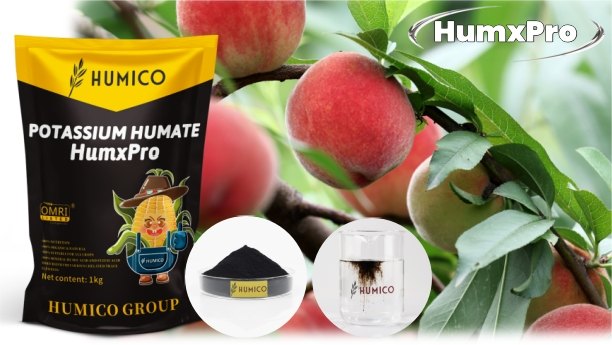
Potassium is important in increasing fruit size and flavor, as well as disease resistance. To optimize results, apply potassium-rich fertilizers, such as sulfate of potash, Potassium Humate or Potassium Amino Acid Chelate in active growing stages while avoiding changes in soil pH.
This important nutrient improves fruit quality and helps trees resist environmental stress.
4. Choosing the Right NPK Ratio
Proportionality, or tailoring NPK ratios to the specific trees’ needs, is essential. Young trees respond well to a balanced selection, while bearing trees benefit from nitrogen-rich mixtures.
Soil tests help determine what to adjust, creating the perfect balance for what you are growing.
5. Sources of Macronutrients
Natural sources such as compost or synthetic organic blends provide latitude, while a good peach tree fertilizer offers exact nutrient supply for healthy fruit trees.
Understanding Micronutrient Fertilizers
Micronutrient fertilizers are important for maintaining the health and high productivity of peach trees. They fill unique nutrient needs that macronutrients just aren’t able to serve. These trace elements— all of which are needed, of course, but in lesser quantities— play an outsized role in growth and fruit quality, and tree vigor.
Proper balance is imperative, and with proper care, you can enjoy robust, beautiful peach trees from spring through fall.
Importance of Boron
Boron is important for flower and fruit formation, with direct effects on the size and quality of your harvest. Deficiency symptoms such as poor fruit set or malformed fruit may mean boron levels are too low. Soil testing is important for figuring out the proper amount, because more than necessary can damage the tree.
If recommending use boron supplement, such as boric acid, very limited. This is critical in sandy soils, where boron can leach fast under those conditions.
Importance of Zinc
Zinc plays important roles in leaf development, bud growth and early spring vigor that help establish a robust crop that can deliver a high-quality harvest. Deficiencies usually show up in the form of stunted plants with small, yellowing leaves or as poor fruit quality.
As with all microns applied as a foliar, timing zinc sulfate or chelated zinc during dormancy or very early spring will allow for the most efficacious uptake. Split applications, first in late February and then again in late April, can reap even better results.
Importance of Iron
Iron is especially important for chlorophyll development and photosynthesis, creating lush, green leaves. Leaves that are yellow with green veins are a classic sign of an iron deficiency.
You can easily remedy this problem by applying iron chelates directly to the soil or as a foliar spray. This approach is surprisingly effective even in calcareous soils.
Other Key Micronutrients
Copper, manganese, and magnesium are essential for healthy fruit trees, ensuring steady growth. Using a balanced fruit tree fertilizer like bone meal or rock phosphate boosts early-stage nutrient profiles, especially in young trees.
Organic vs. Synthetic Fertilizers
To select the best organic and synthetic fertilizers for your peach trees, especially when considering a balanced fruit tree fertilizer, you have to know their specific advantages. Think about how each type fits with your gardening objectives. Both have distinct benefits, yet one provides superior benefits to soil health, tree longevity, and the environment.
Benefits of Organic Fertilizers
Organic fertilizers—like compost and manure—feed the soil. They increase soil microbial activity, which improves the soil’s structure and fertility in the long term. A near zero-leaching, slow-release source creates vigorous, healthy peach trees.
It slowly releases important nutrients, such as nitrogen, potassium and magnesium. This gradual nutrient release promotes long-lasting plant growth and helps build the plant’s resilience to pests and diseases. Organic fertilizers lower the risk of chemical leaching, creating a safe environment for nearby ecosystems.
Sure, they can be twice as expensive as their synthetic counterparts, but the long-lasting trade-offs make the investment worthwhile. Healthier, more sustainable soils that result over time easily outweigh the upfront cost. I’ve seen the incredible impact firsthand. How I turned my pine-forested buffalo yard into an edible paradise by tailoring organic fertilizers to my soil’s requirements.
Benefits of Synthetic Fertilizers
Synthetic fertilizers provide a more concentrated source of nutrients, making them ideal for giving peach trees a fast-acting surge when a quick response is required. Their exacting nutrient ratios lend themselves well to application as well—they are regularly put through the lab for testing, which helps to ensure uniform results.
More importantly, their effectiveness varies greatly. I started to learn that synthetic fertilizers sometimes do not provide every nutrient they promise—which affects plant growth when used as the sole source of nutrition. Yet, they remain highly cost-efficient, requiring only half a pound to create the same effect as 7 pounds of organic fertilizer.
Environmental Considerations
The choice of peach tree fertilizer has a direct impact on all local ecosystems. While organic options are much more in line with sustainable practices for healthy fruit production, synthetic options could pose a long-term risk of harming soil health. Finding a balance between these effects is central to sustainable gardening.
Soil Testing and Preparation
Following these soil testing and preparation tips will set you up for healthy peach trees and fruitful harvests. Understanding your soil’s nutrient requirements will help you choose the right fertilizer, ensuring optimal fruit size long before the seeds are planted.
Why Test Your Soil?
Soil testing gives you a clear understanding of nutrient deficiencies and nutrient imbalances. This helps to guarantee that your peach trees are getting all important ingredients including nitrogen, phosphorus and potassium.
For example, potassium could be applied in late fall or in the spring if soil tests indicate potassium is low. Fertilizing only as your soil requires saves trees from unnecessary over-fertilization. Frequent tests monitor variations in soil health, steering alterations to accommodate subsequent cycles of growth.
Understand Soil pH for Peach Trees
Peach trees grow best when the soil pH is between 6.0 and 7.0. Beyond this range, nutrient uptake no longer becomes efficient, restricting growth.
For example, if your soil is too acidic, it may inhibit calcium and magnesium uptake, or if it’s too alkaline, you may not be able to absorb iron. Maintaining pH by using lime (to increase pH) or sulfur (to decrease pH) keeps nutrients from getting tied up and unavailable.
Adjust Soil pH If Needed
If soil test results indicate a pH issue, amendments such as agricultural lime (to raise pH) or elemental sulfur (to lower pH) will restore balance. To reduce the danger of overcorrection, make these amendments in smaller amounts and re-test frequently.
Evenly spreading amendments and working them into the soil with proper techniques keeps everything in balance without damaging root health.
Improve Soil Texture
Adding organic matter such as compost, manure, or grass clippings improves soil texture, which helps with drainage and aeration. It’s best to prepare a planting bed 5 to 6 feet wide and 10 to 12 inches deep.
This arrangement promotes healthy root development and reduces the likelihood of springtime waterlogging. Cover crops continue to build soil long after planting.
When to Fertilize Peach Trees
Fertilizing peach trees at the right time is crucial for their health and productivity. By timing applications according to growth stages and using a balanced fruit tree fertilizer, you ensure the trees receive the necessary nutrients when they need them most. Considering factors like age, soil type, and health helps prime the tree for vigorous growth and optimal fruit size.
Dormant Season Fertilization
During the dormant season, usually mid-December through February, fertilization prepares for spring growth. Applying nitrogen early, especially on heavier soils like clay, works to replace nutrients leached out during the last year.
On sandy soils, the best practice is to provide this nitrogen right before bud break in late winter or early spring. Extra caution should be exercised against over-fertilization during this period to avoid root burn.
If you want to provide potassium, do so in late fall or early winter. Only do this if soil or leaf tests reveal specific deficiencies.
Spring Fertilization
Fertilization in spring starts as soon as the soil is workable, typically late February or early March. This time dovetails nicely with bud swell.
This is the perfect opportunity to apply a balanced fertilizer, which will encourage flowering while stimulating shoot growth. As soon as the crop sets, you can start applying the nitrogen—use half in early spring.
After that, you can apply the other half in late April or May to promote a consistent growth pattern. It helps to keep an eye on the weather—applying fertilizer right before a predicted rainstorm can help improve nutrient absorption.
Summer Fertilization
Fertilizing peach trees during the summer, before July 1, will encourage fruit to develop. Change the amount based on the peach tree’s growth rate.
Look for a rule-of-thumb target of 8-12 inches of new growth annually. This practice allows the tree to absorb nutrients better, which is particularly important in sandy soils that might require a third dose of nitrogen.
Fall Fertilization
Fall fertilization, typically done in October, aims to prepare peaches for winter and promote root health. Filling in nutrients such as potassium during this time helps to fortify the tree and prepare it for winter dormancy.
Don’t fertilize late in the season or the resultant growth might be too tender when freezing temperatures arrive, stressing the tree.
How to Fertilize Peach Trees
Proper fertilization is key for peach trees to grow healthy, produce more fruit, and develop a vigorous tree! With proper technique and timing, you can ensure that your peach trees get all the nutrients they need to grow strong and healthy.
Varying application methods provide effective nutrient delivery based on tree age and growth stage.
Broadcast Application Method
This technique consists of broadcasting granular fertilizers uniformly over the soil surface in a circle around the tree. Pay particular attention to the ground under the tree’s canopy, or drip line, as this is where the tree’s roots are most active in taking up nutrients.
For example, using a balanced fertilizer like 10-10-10 or 16-4-8 during early spring ensures a steady supply of nitrogen, phosphorus, and potassium. After applying fertilizer, make sure to water the area thoroughly to moisten the soil and activate the nutrients, promoting absorption.
Side Dressing Application Method
Establishing trees that require a more localized input of nutrients should use a method called side dressing. Dig a feed or mulch ring by digging a shallow trench a few inches deep around the tree’s root zone.
Then, place fertilizers such as potassium nitrate inside the trench. This method reduces nutrient leaching and replenishes cores with vital nutrients like nitrogen directly to the roots. As with any fertilizer, water well after application to help with nutrient absorption.
Fertigation Application Method
Fertigation provides liquid fertilizers directly to the root system through irrigation systems. Coordinating this with routine watering helps even nutrient distribution, particularly throughout their time of vigorous growth.
This prevents the build-up of fertilizer, which can burn the tree’s roots. This is especially helpful for larger, mature peach trees that require more specific control over their nutrient intake.
Foliar Application Method
Applying water soluble fertilizers with foliar sprays provides immediate nutrient availability during periods of high leaf activity. For example, nitrogen foliar applications are known to promote the development of foliar leaves.
Do this technique on a cool day to avoid cooking foliage, keeping away from high heat or direct sunlight.
Slow-Release vs. Quick-Release Fertilizers
Understanding the difference between slow-release and quick-release fertilizers is essential for selecting the right fertilizer for your peach trees. Both types offer unique benefits, and your choice should align with the nutrient requirements of your trees and your gardening style for optimal fruit size.
Benefits of Slow-Release Fertilizers
Slow-release fertilizers provide more constant nutrient availability. Organic alternatives Organic Indoor Plant Food release nutrients steadily over a three-month period. This steady supply supports consistent tree growth without overwhelming it, especially during the growing season.
This approach reduces nutrient leaching and waste by up to one-third. It’s especially environmentally safe for sandy soils that are subject to leaching. The other benefit is the decreased labor. With fewer applications needed throughout the year, slow-release fertilizers save valuable time while ensuring your peach trees receive a balanced diet of nutrients.
Long-term advantages are seen in better root establishment, as well as prolonged fruiting.
Benefits of Quick-Release Fertilizers
Quick-release fertilizers are best used in instances of critical growth stages or when quick results are required. If you notice your peach tree exhibiting any of these symptoms of nutrient deficiency, don’t be defeated. Fortunately, this fix can bring it back to life in as quickly as one week.
These fertilizers allow for very specific control over when they are applied, an advantage that is particularly helpful during flowering or early fruiting stages. Although good for immediate needs, they need more frequent reapplication and monitoring to prevent over-fertilization.
Choosing the Right Type
Consider your soil type, age of the tree, and which nutrients you may be lacking. For newly planted trees and those in degraded soil, slow-release options are preferable. Quick-release fertilizers generally work well for mature trees that require a quick recovery or increased growth.
Consider whether the convenience outweighs the effectiveness to better align with your desired outcome.
Region-Specific Fertilizer Strategies
Peach trees thrive when you tailor their management to the realities on the ground. Utilizing a balanced fruit tree fertilizer is essential, as it allows you to meet the nutrient requirements specific to your region’s soil and climate. Understanding these regional considerations will significantly enhance your tree’s health and promote heavy fruiting.
Tailoring to Local Soil Conditions
First, begin by evaluating the soil conditions in your region. Nutrient level, pH and organic matter content is the information provided in a soil test. Soils in Southeastern Michigan prosper when they’re given fertilizers appropriate to their specific makeup.
In many cases, a balanced mix, like 10-10-10, performs the most successful. After these deficiencies are identified, amending the soil is possible in a more targeted way. Slow-release options, like humic amino balls, provide key nutrients like nitrogen gradually, feeding peach trees without shocking their root systems.
It’s just as important to track tree health and growth over time. In Ohio, young trees need to be growing 18–24 inches per year and mature trees 12–18. Modify your fertilization practices in light of these benchmarks.
Adapting to Climate Variations
Climate plays a large role in the health of peach trees. In regions prone to seasonal droughts or heavy rainfall, such as Ohio, consider how water availability impacts soil nutrient levels. Nutrient loss occurs when too much rain washes nutrients away.
Drought conditions prevent plants from absorbing their needs. In-season interventions include foliar sprays, which are great tools for quick mid-season corrections, particularly useful when nutrient deficiencies are seen. Early spring (March) and late spring (May) scheduling of applications ensures that trees can take advantage of fertility during crucial growth periods.
In China, regions like Zhejiang Fenghua, Shandong Mengyin and Sichuan Longquanyi have ideal climates for peach cultivation—and their June–September harvest seasons are local tourism highlights. Fenghua’s peach-picking experiences, in particular, stand out as a popular draw for Zhejiang travel.
Proven Solutions for Your Area
We can’t overstate the value of local expertise. Ohio growers frequently tell us of great success that they have had with Redhaven peaches, a very dependable cultivar.
Work together with local gardeners to learn what strategies work best in your region. Protect against state-specific pests such as the Japanese beetle and peach tree borer. With this understanding, you can adjust fertilization strategies and prioritize addressing underlying stressors.
Adjusting Fertilizer for Tree Age
Peach trees, like any sentient being out there, have different needs as they mature. Fertilization should be tailored to these variations. By using this technique you’ll help your plants grow healthy, produce lots of fruit and live a long fruitful life.
Learn how to cater to the specific needs of young, mature, and senior trees. With this understanding, you’ll be able to give your peach trees the precise care they need at each age of their lives.
Young Tree Fertilization
Fertilizing young peach trees should be done with care. Giving plants more nutrients than they need in the beginning pushes the plants too much in the foliage direction, which can stifle rooting.
Use a balanced fertilizer with less nitrogen, such as a 10-10-10 formula. Distribute approximately ½ cup evenly around the base of the tree, avoiding contact with the trunk and staying at least 6 inches from the trunk.
Begin fertilizing in early spring to promote root development and dark green foliage. Repeat this two to three times a year for optimum results. Regularly check growth patterns—if your tree produces more than 18 inches of new growth annually, it may need less fertilizer.
Mature Tree Fertilization
For older trees, balanced fertilization ensures optimized fruiting and contributes to the health and longevity of the tree. Soil testing is essential in this step.
It’s going to tell you which nutrients your trees are missing. For older trees, apply 1 pound of nitrogen for each year of the tree’s age. This technique is usable up to a maximum of 10 pounds.
Application timing is key. Consider two split applications of fertilizer between early spring and post-harvest to ensure nutrients are available when vigorous growth and fruiting occurs.
Senior Tree Fertilization
As peach trees age, their productivity naturally declines. For aging trees, provide fertilizer with less nitrogen, aiming for gradual soil enrichment.
Apply compost or well-rotted manure to build healthy soil. Always look for the signs of stress, like yellowing leaves, and tailor your fertilizers to the needs of your trees.
Integrated Nutrient Management
An Integrated Nutrient Management plan is crucial to maintaining a healthy, productive peach tree. By strategically using organic and inorganic fertilizers together, you can ensure your crops receive balanced nourishment, all while improving the soil for years to come. This combined technique provides your trees with the nutrients and minerals they need most at the right time.
It fosters short-term flourishing, as well as lasting sustainability.
Combining Organic and Inorganic
Organic fertilizers, such as compost or well-rotted manure, feed the soil with natural nutrients and increase microbial activity. Inorganic products, such as a 10-10-10 formulation or ammonium sulfate, deliver precise amounts of essential nutrients. These nutrients primarily consist of nitrogen, phosphorus, and potassium.
These fertilizers form a tremendous synergy. They complement slow-release nutrients from organics with the rapid availability of inorganics. For example, applying compost in the spring paired with a mid-season application of a balanced synthetic fertilizer ensures steady growth throughout the year.
Watching the response in your trees—from lush new growth to greater fruit set—will help make this kind of management more effective in the long run.
Benefits of Integrated Approach
Building healthy soil with good structure and abundant microbial life, as this technique encourages, is the key to helping peach trees absorb nutrients effectively. A well-fed tree can better withstand challenges like pests or diseases, reducing the need for interventions.
Balanced nutrition contributes to more stable yields and better-tasting fruit. In other words, composted organic matter can vastly improve water retention, while synthetic additives target specific deficiencies.
Sustainable Practices
Smart decisions, such as incorporating organic mulches or using a balanced fruit tree fertilizer, can help safeguard groundwater and nearby ecosystems from harmful runoff. When you share these approaches with others, you’ll cultivate community interest in healthy fruit production.
Conclusion
Fertilizing and watering your peach trees properly will ensure that they are healthy and vigorous.
Best Fertilizer for Peach Trees
Selecting the best fertilizer requires consideration of soil quality, the age of the tree and needs specific to your area. A proper blend of nutrients is key. Regardless of whether you choose organic or synthetic fertilizers, a proper balance of nutrients is essential. Timing is another element that’s very important. Having a consistent application schedule is what gets your trees growing strong and healthy.
In the end, looking after peach trees does require some patience, but the payoff is definitely worth it. With the proper care, those trees will provide you with succulent, sweet fruit for many seasons to come. Begin small, monitor what is or isn’t working, and recalibrate. Your thriving peach orchard will bear out that success, and you’ll reap the rewards in more ways than one.
Frequently Asked Questions
What is the best fertilizer for peach trees?
The best fertilizer for peach trees is a balanced fruit tree fertilizer with an even NPK ratio, like 10-10-10. This comprehensive fruit tree fertilizer mix provides essential macronutrients for healthy growth and optimal fruit size. Micronutrients, especially zinc and iron, are crucial for the peach fruit.
How often should I fertilize my peach tree?
To ensure healthy fruit production, fertilize peach trees in early spring just before blooming and again in late spring or early summer. Using a balanced fruit tree fertilizer is crucial, as over-fertilizing can compromise the quality of fruit.
When is the right time to fertilize peach trees?
Fertilize peach trees with a balanced fruit tree fertilizer in late winter or early spring when the buds begin to swell. This timing supports strong vegetative growth and optimal fruit size, making it the perfect time for feeding these vital fruit trees.
Should I use organic or synthetic fertilizers for peach trees?
Congratulations, you made it to the end! While organic and synthetic fertilizers can be equally effective, using a balanced fruit tree fertilizer promotes long-term soil health, whereas synthetic fertilizers provide immediate nutrient availability. Select the right fertilizer according to the specific needs of your fruit trees and the condition of your soil.
How do I know if my peach tree needs fertilizer?
Look for indicators such as stunted growth, leaf chlorosis, and failure to fruit in your fruit trees. Soil testing is the best and most accurate method to identify specific nutrient requirements and tailor balanced fruit tree fertilizer applications accordingly.
Can I use slow-release fertilizer on peach trees?
Yes, a balanced fruit tree fertilizer works best for peach trees. These fertilizers slowly release nutrients over time, ensuring optimal fruit size without the risk of over-fertilizing, promoting healthy fruit production.
Do young and mature peach trees need the same fertilizer?
For maximum vegetative growth, young fruit trees benefit from a higher nitrogen fertilizer level. Established peach trees do best with regular application of a balanced fruit tree fertilizer to encourage proper fruiting and maintain tree vigor. Choose the right fertilizer type and amount for your tree’s age.
Written by Humico | Organic Fertilizers Manufacturer
Original article source: https://www.ihumico.com/what-is-the-best-fertilizer-for-peach-trees/


