
Ideally, we want to look for a fertilizer with balanced or low nitrogen levels. A 10-20-20 or 5-10-10 formula is ideal! Dahlias do best when fed for healthy root and flower development over leafy plant growth.
Choosing either a slow-release granular fertilizer or a liquid alternative gives you some leeway on when and how often you feed, depending on what your soil needs. Fertilizer should be applied every 3–4 weeks throughout the growing season, beginning as new growth emerges, to provide a steady supply of nutrients.
For best results, mixing fertilizer with an organic matter such as compost enhances soil structure and nutrient holding capacity. Start by testing your soil’s pH and nutrient levels to get a sense of your soil’s starting point.
With this understanding, your dahlias can stay, prosper, and achieve greatness.

Understanding Dahlia Nutrient Needs
Dahlias, with their abundant, colorful flowering, are at their best when they’re well-balanced and catered to nutritionally. Achieving desirable growth and health cannot occur without an adequate supply of macronutrients and micronutrients with appropriate ratios of each.
Moreover, a healthy soil microbiome promotes effective nutrient absorption.
Macronutrients for Dahlia Growth
Nitrogen (N), phosphorus (P), and potassium (K) are the classic trio of macronutrients that are important for dahlias. A balanced approach to nutrients is essential for healthy gardening, but more is not better.
In my experience, overdoing phosphorus and potassium will cause nutrient imbalances. My soil test came back indicating high phosphorus levels. While I did find 83 ppm of potassium, well within the medium range, nitrogen was deficient.
Dahlias prefer fertilizer with an N-P-K ratio of 5-10-10. This ratio increases phosphorus for abundant blooms while delivering plenty of nitrogen to support vigorous growth. For dahlias, I estimated a phosphorus removal rate of 110 lbs P/acre/yr. Instead, I applied two to three times that amount, which goes to show just how important it is to get nutrients right.
Micronutrients for Dahlia Health
Micronutrients including magnesium and calcium are essential for leaf development and plant health. My soil analysis came back with magnesium at 140 ppm and calcium at 1,200 ppm.
Both sufficiently saturate the soil, demonstrating these nutrients are essential to enhancing vegetative development. Additionally, adding trace elements such as boron and iron can increase bloom and vigor. Once you get the hang of it, this keeps plants healthy and vigorous all season long.
Soil pH and Nutrient Availability
Dahlias thrive in moderately acidic to neutral soil, between pH 6.5 and 7.0. My soil pH was 7.7, moderately alkaline, which can reduce nutrient availability.
Creating the right pH through the addition of sulfur or organic matter creates an environment where nutrients stay in a plant-available form. Frequent testing can help keep the soil in that sweet spot where the plants can thrive.
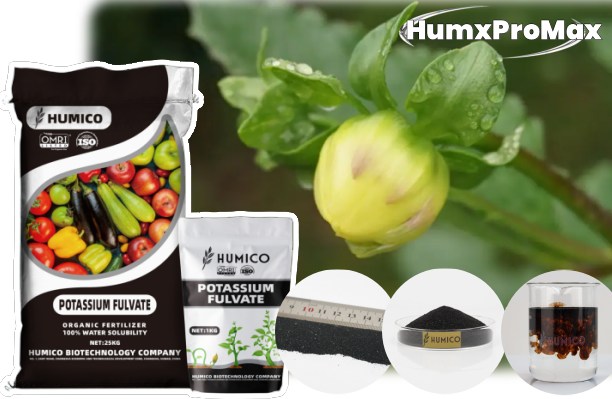
What is the Best Fertilizer for Dahlias?
Like any other plant, dahlia plants flourish when their roots are handed the exactly correct nutrients, so choosing the best dahlia plant food is key to growing robust, colorful dahlias. Knowledge about the nutrient composition and application methods can take the overall plant health and beauty of your plants to the next level.
1. Choose Balanced NPK Ratios
High phosphorus balanced NPK ratios, ideally something like 6-24-24, work wonders for dahlias. They focus on phosphorus and potassium, which are key to creating colorful, healthy flowers.
Though nitrogen does promote foliage, too much will result in bushy, verdant greenery without a bloom in sight. Use a fertilizer that’s 10-30-20 ratio to really do the job.
Look out for the red and yellow colors phosphorus and potash, which are key for great dahlias! Looking at these ratios side-by-side allows you to determine which is the best match for your soil’s needs.
2. Consider Slow-Release Granular Options
Slow-release granular fertilizers provide a more steady delivery of nutrients over time. Monthly applications through the blooming season work quite well, at a rate of 1.5-2 pounds per 1,000 square feet.
These formulations help to minimize nutrient leaching while delivering consistent performance. Slow-release options, such as HumxPearl, are popular for the convenience and reliability they offer.
3. Explore Water-Soluble Fertilizers
Water-soluble fertilizers are great for fast nutrient uptake. A water-soluble general-purpose fertilizer such as a 20-20-20 blend can be mixed with water for more rapid absorption.
To avoid burning your dahlia roots, always adhere to dilution recommendations for any fertilizer. Incorporating both of these into your dahlia program helps you provide balanced, timely feeding to your plants.
4. Organic Fertilizer Choices for Dahlias
Organic fertilizers like composted manure or bone meal help to naturally enrich soil. While bone meal helps develop strong roots, alfalfa meal introduces more potassium.
These decisions promote long-term soil health, rather than short-term fixes that often involve synthetic chemicals.
5. Mycorrhizae Fungi Benefits
Mycorrhizal fungi increase nutrient absorption and help develop strong root systems. Together, you’re building soil structure and plant vitality by encouraging this beneficial symbiosis.
You’re enhancing aeration and drainage of soil, which further supports the health of your dahlias.

When to Fertilize Dahlias
Knowing when to fertilize dahlia plants helps you create a fertilization schedule that enhances overall plant health and results in colorful, lively flowers. Dahlias thrive when they receive the right nutrients at the right time, so using appropriate fertilizer can ensure you are setting them up to thrive throughout the entire growing season.
Initial Planting Fertilization
When planting time rolls around, you want to set up the best, most nutrient-dense base possible to get your dahlia tubers started. Work bone meal and compost into the soil. This really nice combination is going to give you the phosphorus and organic matter that’s going to be so helpful for building strong roots.
Phosphorus promotes strong tuber systems which are vital to healthy plants. It is easy to feel the urge to add fertilizer heavily at first. Too much fertilizer can burn out roots so it’s important to monitor usage. Something balanced like a 5-10-10 product, applied on the light side, helps establish the right stock-up nutrition base without bathing those baby plants in nutrients.
Fertilize During Active Growth
Once dahlias start to show active growth (usually 30 days after planting), regular feeding is important. Regular fertilizing every 3–4 weeks for dahlias planted in-ground or every 2–3 weeks for container-grown plants will have them flourishing.
A liquid fertilizer, like a 10-20-20 formula, delivers immediate nutrient availability throughout this stage. Monitoring plant health and soil conditions is equally important. Healthy, lush growth indicates the fertilizer schedule is effective, while yellowing or stunted growth may suggest the need for adjustments.
Avoid Late-Season Fertilization
When dahlias start to go dormant, discontinue fertilizer to let the plants get ready for winter. If you feed too late, your plants may wind up absorbing excessive nutrients that can actually damage the tubers.
Instead, begin thinking about the health of the soil for next growing season by enriching it with compost or organic material.
How to Fertilize Dahlias Effectively
Fertilizing dahlia plants requires careful consideration and strategy to achieve those stunning dahlia blooms and strong vigor. Understanding the nutritional needs of these lovely blooms is essential for success. By using appropriate fertilizer and following key tips for fertilizing your dahlias, you will be rewarded with their stunning beauty all season long.
Soil Testing Recommendations
Start with a soil test to know what nutrients your soil already has as well as its pH. These soil testing kits are available at many garden centers. These kits give you accurate readings so you can find out exactly what your dahlias need to flourish.
Dahlias need a slightly acidic soil pH of about 6.5. If your soil test indicates a lack of adequate nutrients, you can personalize your fertilizing routine. If your soil is very low in nitrogen, apply a balanced fertilizer. For example, a 5-10-10 mixture would have only half as much nitrogen as phosphorus and potassium. Maintaining this balance will encourage flower production without a lot of foliage growth.
Fertilizer Application Methods
When fertilizing, techniques such as broadcasting and side-dressing work well. Distribute granules in a circle around the base so they’re not too concentrated.
If you want quicker nutrient absorption, foliar feeding—applying diluted liquid fertilizer directly to your plant’s leaves—is an efficient method, particularly during periods of active growth.
Dilution and Dosage Guidelines
Liquid fertilizers must be diluted according to the instructions on the package. Too much concentration burns roots; therefore, precise measurement is imperative.
Be sure to modify the doses according to the plant size and growth stage. For example, change to zero-nitrogen fertilizers such as 0-10-10 Alaska Morbloom in the late season to enhance tuber health.
Watering After Fertilizing
Be sure to water deeply after applying fertilizer to dissolve granules into the soil. Don’t over-water right away, either; runoff will decrease efficiency.
Fertilizing Dahlias at the Right Time Set a regular routine to optimize nutrient uptake.
Soil and Location Considerations
To produce beautiful and robust dahlia plants, understanding their soil and location needs is essential. These aspects significantly influence the plant’s overall health and its ability to bloom profusely with stunning, showy flowers. Dahlias, known for their wild colors and eccentric shapes, require a little extra care and attention to witness true dahlia magic blossom.
Ideal Soil Composition for Dahlias
Preferably, dahlias should be planted in loamy soil that is rich in organic matter. Loamy soil provides the perfect mix of sand, silt and clay that allows roots to develop while providing excellent drainage. Compost and aged manure are wonderful amendments to stimulate fertility, giving the nutrients dahlias require to thrive.
Keeping a soil pH in the range of 6.0 to 7.0 is important. This very slightly acidic to neutral range specifically enhances non-mycorrhizal nutrient uptake. Good drainage is essential as dahlias don’t like to get too wet, something commonly called having “wet feet.” Additionally, if the soil stays too wet it can cause root rot, a frequent problem with bad drainage.
Best Planting Locations
Select an area that gets plenty of sun with at least six to eight hours of direct sunlight per day. Dahlias do best in open, airy spots because good air circulation will help protect against fungal diseases. Shady spots should be avoided, as these will charge blooming capacity.
Being close to a water source is helpful, particularly as these plants appreciate an abundance of light and regular watering. For sands, this could mean daily watering, as soil dries more quickly.
Container Growing Considerations
If you’re growing dahlias in pots, select vessels that measure no smaller than 12 inches across. This space will allow all tubers and roots you grow plenty of room to develop. Choose a high-quality potting mix, one that’s nutrient-rich and designed to promote healthy plants, and make sure your container has drainage holes.
This helps to prevent waterlogging and replicates the uniformly well-drained conditions dahlias thrive in.
Common Dahlia Nutrient Deficiencies
Dahlias, known for their bright and various flowers, succumb to nutrient imbalances. Nutrient deficiencies are one of the biggest problems dahlia growers encounter, with studies showing that 80% of growers experience a nutrient deficiency. Using a good fertilizer and recognizing these deficiencies early on is crucial to keep your dahlia plants thriving with abundant, beautiful blooms.
Identifying Nitrogen Deficiency
Nitrogen is the most important nutrient for dahlias. Signs of a nitrogen deficiency include yellowing leaves, especially older ones, and poor overall growth. These symptoms are commonly due to a lack of nitrogen in the soil.
To counteract this, you can apply high-nitrogen fertilizers, like blood meal or fish emulsion. An alternative to all-at-once feeding is frequent applications of low-concentration fertilizers, known as “weakly weekly,” and this works well too. Routine observation of the plant’s overall vigor will go a long way towards making sure nitrogen levels stay up to par, promoting lush, green foliage.
Recognizing Phosphorus Deficiency
Phosphorus is essential for producing robust blooms. A deficiency is usually easily seen as lack of flowering and very dark green foliage with purplish cast.
When diagnosing phosphorus deficiencies, applying bone meal or superphosphate to the soil will quickly restore phosphorus levels. After treatment, monitor flower yield and quality throughout the season. Fertilizing every 4–6 weeks promotes long-lasting bloom vitality.
Spotting Potassium Deficiency
Potassium deficiency appears as leaf burning on the tips and edges of older leaves and weak stems. Applying potassium-rich fertilizers like sulfate of potash will help ensure your plants are healthier and more beautiful.
To keep nutrients available, dahlias will appreciate light, but frequent watering, particularly in sandy soils. Check growth patterns after the application to make sure the deficiency has been remedied.
Addressing Micronutrient Deficiencies
Chlorosis and leaf curling are usually signs of micronutrient deficiencies, like iron or magnesium. Applying fertilizers with the right essential trace elements can resolve these deficiencies.
Monthly evaluations, along with stable release vermin, stop repeating shortages.
Natural Amendments for Dahlia Care
If you want to grow big, beautiful dahlias, increasing the fertility and structure of your soil with natural amendments will go a long way. These choices go a long way toward improving the environmental footprint of any garden while helping dahlias thrive and produce their best flowers.
By enriching the soil and making sure nutrients reach your blooms effectively, you’ll ensure a happy home for your dahlias.
Using Compost for Soil Enrichment
Compost is invaluable for enhancing soil quality, benefiting dahlias in several ways:
- It greatly enhances soil structure, helping with drainage in the sandy loam often found in gardens around here.
- Nutrients are released in a timed fashion, preventing a nutrient spike and allowing dahlias to access nutrients whenever they need them.
- Microbial activity in the soil accelerates, creating a beneficial environment around the roots.
Avoid compost with high nitrogen content, as too much nitrogen will result in lots of leafy growth and scant blooms. Use compost tea or worm castings to add organic matter and nutrients.
Incorporating Manure Safely
Processed or bagged steer or cow manure works great for enriching the soil. Fresh manure can burn plants, so it is important to use well-composted manure.
If using fresh manure, fall application is best, allowing time for it to fully decompose before planting in the spring. As various manures have significantly different nutrient levels, moderate application rates largely guard the plants against nutrient over-application.
Benefits of Bone Meal and Rock Phosphate
Bone meal increases phosphorus levels, which is key for healthy root growth. Rock phosphate can provide a slow-release option, helping to build a steady supply of phosphorus over time.
Dahlias require an average of 110 pounds of phosphorus per acre per year, and applying these natural, organic amendments brings growers well within this range.
Avoiding Over-Fertilization
Over-fertilization can slow down dahlia plants’ growth and reduce their blooming potential. A more measured approach to using good fertilizer, coupled with close attention to conditions, will create happy, hardy green plants and lush, beautiful dahlia blooms.
Risks of Excessive Nitrogen
Too much nitrogen can lead to stretched stems and decreased flower output. That is because too much nitrogen encourages a lot of leaf growth at the expense of the plant’s blooming potential.
For dahlias, avoid fertilizers with a high first number in their ratio during the blooming phase, as this indicates elevated nitrogen levels. Instead, select formulas with nitrogen less than phosphorus and potassium. A higher ratio helps induce robust flower growth.
Fertilizing potatoes are heavy feeders, needing 1.5–2 pounds of nitrogen per 1,000 square feet. You can use the same approach for dahlias, just make sure that you’re complementing it with balanced amounts of phosphorus and potassium. This provides for healthy, beautiful blooms without pushing too much foliage.
Recognizing Over-Fertilization Symptoms
Such signs of over-fertilization might manifest by having the leaves turn yellow, roots become stunted and a lack of flowers being produced. These symptoms indicate nutrient imbalances that are frequently the result of too much phosphorus or nitrogen.
For example, if phosphate levels exceed 750 ppm, nutrients may be blocked from being taken up by the plant’s root systems. Dahlias need levels below 100 ppm. Once you see these signs, cut back on fertilizer right away and leach the soil by deeply watering with clean water to wash away excess sources of nutrition.
Correcting Nutrient Imbalances
Start by conducting a soil test to determine the precise ratios you need to correct. For sandy loam soil in partial sun, like a garden receiving five hours of direct sunlight, adjustments may be necessary.
Cut out phosphorus-heavy fertilizers and add organic amendments like compost to release nutrients sustainably. This brings things back into balance and encourages stronger, healthier growth.
Additional Dahlia Care Tips
Dahlia care requires an artful balance of watering, pruning, and staking your dahlia plants. These practices will help them thrive and provide dazzling color from early summer until frost, ensuring overall plant health and fabulous blooms.
- Maintain consistent watering to keep the soil evenly moist.
- Pinch the central stems of young plants to grow denser plants.
- Stake taller varieties to avoid bending or breaking the blooms.
Watering Best Practices
With dahlias, consistency is everything. Once your tubers have sprouted, watering deeply will help the plants develop strong root systems. This equates to soaking the soil, as opposed to surface watering, making sure moisture penetrates down 6 to 8 inches.
If you live in an area with very warm conditions, apply mulch to conserve moisture and keep soil temperatures cool in the summer. In sandy soils, once a week, assuming no rain, is usually adequate. Just monitor weather and conditions.
Unsprouted tubers typically don’t need water. If you have Texas-sized drought, like we did this year, your dahlias may require a light watering two times per week.
Pinching for Bushier Growth
Pinching encourages branching and results in more blooms. Once the plant is around a foot tall, remove the center stalk by pinching it off right above a leaf node. This one thin layer of compost helps to promote a denser, bushier plant.
Timing is everything—pinch as early in the growth process as possible for the best results. Repeat as needed to encourage bushy, full growth.
Staking and Support
All tall dahlia varieties will appreciate—and need—staking. Add stakes when planting to prevent jarring the root ball later on. Use soft ties to keep stems tied, checking often to readjust as plants continue to grow.
Doing so protects the plant from damage and allows it to grow up tall and proud—even on those windy, blustery days.
Conclusion
Caring for dahlias requires a careful balance of nutrients, timing, and focus. Fertilizing dahlias with a low-nitrogen fertilizer, such as a 5-10-10 blended fertilizer, encourages sturdy stems and colorful flowers. Incorporating organic matter like compost or bone meal helps enhance soil structure and nutrients, promoting healthy and steady growth. Monitor them for signs of nutrient deficiencies, like yellowing leaves or spindly growth. If you start to see any of these signs, change how you’re caring for them. Don’t over-fertilize—this will hurt your plants and lead to less blooming. A good mix and regular watering can keep your dahlias healthy and flourishing. Do this and you’ll be rewarded with the season-long display of big, beautiful, vibrant flowers. For more great gardening tips, visit our other garden guides and continue learning how to grow your very best garden.
Frequently Asked Questions
What type of fertilizer is best for dahlias?
A balanced fertilizer that is lower in nitrogen, like a good low nitrogen fertilizer such as 5-10-10 or 10-20-20, is most effective for dahlia plants, promoting strong flowering without excessive leafy growth.
How often should I fertilize dahlias?
Fertilize dahlia plants every 3 to 4 weeks during the growing season, applying a good fertilizer as soon as the shoots emerge and continuing until the plants start to die back in the fall.
Can I use organic fertilizers for dahlias?
Indeed, organic fertilizers such as compost, bone meal, or fish emulsion work wonderfully for dahlia plants. They improve soil structure while offering slow-release nitrogen, phosphorus, and other essential nutrients.
What are signs of over-fertilizing dahlias?
Signs of over-fertilized dahlia plants include yellowing dahlia leaves, weak stems, and excessive foliage, which can lead to reduced blooms. Use proper fertilizer in moderation to maintain overall plant health.
Should I fertilize dahlias in pots differently?
That’s right—container dahlia plants require more regular fertilization, every 2-3 weeks, since the nutrients leach out more quickly. Use a good fertilizer, like a balanced, water-soluble plant food.
What natural amendments improve dahlia growth?
Incorporating compost or well-rotted horse compost manure before planting really gives your dahlia garden soil a fertility boost. Bone meal and wood ash can help increase phosphorus and potassium levels to promote larger, more plentiful blooms.
Can poor soil affect dahlia fertilizing needs?
Why, yes, bad garden soil could benefit from regular amendments, such as compost or lime, to help balance pH and nutrients. Testing your soil is crucial to ensure the best conditions for dahlia plants!
Written by Humico | Organic Fertilizer Manufacturer
Original article source: https://www.ihumico.com/what-is-the-best-fertilizer-for-dahlias/


