
To grow healthy plumeria with lots of blooms, you need proper fertilization. Many horticultural professionals have problems with weak growth, few flowers, or yellow leaves—usually because of wrong fertilization. If you run a plumeria nursery, supply agri-inputs to flower growers, make garden fertilizers, or provide horticultural services, correct plumeria fertilization is important for success. This guide tells you everything you need to know simply. You’ll get practical tips to help plumeria grow, bloom more, and stay healthy—for professionals in horticulture and agriculture.
Key Takeaways
- Plumerias do best with balanced nutrition that contains the primary macronutrients: nitrogen, phosphorus, and potassium. Each of these is important for different parts of the plant and bloom.
- Phosphorous rich fertilizers work wonders for getting plumerias to bloom in abundance. Well balanced NPK keeps the leaves and roots healthy during the entire growing period.
- Regular testing of soil pH, nutrient levels, and water quality ensures your plumeria’s growing conditions are optimal and maximizes nutrient absorption.
- There are organic and synthetic fertilizer options. Pick the one best suited to your gardening style and pay attention to the package directions to avoid overdoing it!
- Liquid, granular, and foliar feeding methods each have their own advantages. Adapt your application style to your plumeria’s developmental stage and requirements.
- By identifying and addressing nutrient deficiencies like yellowing leaves or stunted growth as soon as they arise, you guarantee strong, healthy plumerias and vibrant blooms no matter where you plant them.
Best fertilizer for plumeria plants is a balanced blend rich in phosphorus, such as a 10-30-10 or 10-50-10. This type of mix aids flower growth and fosters strong roots. Plumerias require consistent fertilizer during the warm months when growth is most aggressive. Slow-release or water-soluble types both work, but a lot of growers opt for water-soluble for immediate gratification. Good drainage and loose soil allow the plant to absorb the fertilizer more effectively. If you’re over-fertilizing, you can encourage leaf growth at the expense of blooms. The right feed at the right time leads to brighter flowers and healthy plants. The following chapters discuss how to select, apply, and maintain plumerias with optimal outcomes.
Decoding Plumeria Nutrition
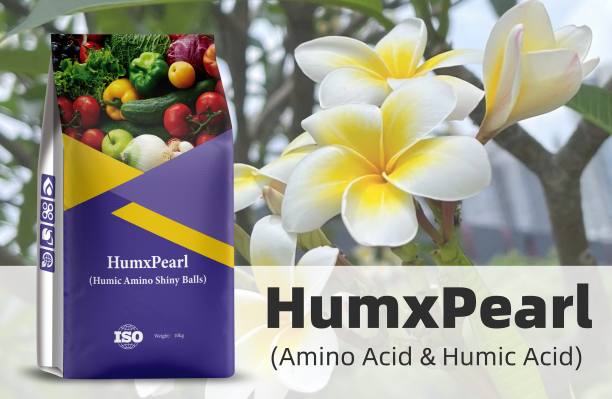
Plumerias require a complete plumeria fertilizer to flourish, containing sixteen chemical elements, with the big three—nitrogen, phosphorus, and potassium—being particularly crucial. These nutrients are categorized into macronutrients and micronutrients, the latter being essential despite their small required amounts. Plumerias react to quality fertilizer in about two weeks, especially when they receive full sun daily.
| Nutrient | Role in Plumeria Growth |
| Nitrogen (N) | Supports leafy growth and stem health |
| Phosphorus (P) | Boosts flower and root development |
| Potassium (K) | Aids overall health and disease defense |
Macronutrients
NPK ratios count significantly when feeding plumerias, and using a quality fertilizer can enhance blooming. Ratios such as 10-30-10 or 10-50-10 supply essential phosphorus, a must-have for vibrant plumeria flowers. While excess nitrogen can lead to excessive foliage, the right balance of potassium not only increases vigor but also helps these resilient plants repel pests and manage stress.
Each macronutrient performs optimally at different times during plumeria cultivation. Early in the season, plumerias need more nitrogen to produce new leaves and stems. As flower buds develop later, higher phosphorus becomes crucial, while potassium sustains the plants throughout the year by facilitating the translocation of water and nutrients within the stems.
Typically, plumerias require 10 to 15 grams of balanced fertilizer, such as plumeria plant food, per plant each month during the growing season. It’s best to sprinkle this fertilizer around the base rather than directly on the stem or leaves. Avoid feeding during the dormant season, as the plant cannot utilize the additional nutrients effectively.
As the plumeria matures, the nutrient content changes. Observing the leaves for color and growth can indicate when it’s time to feed again. A soil pH of 6.5 to 7.0 is ideal to hold nutrients in forms most available to the plant roots, ensuring healthy growth and beautiful blooms.
Micronutrients
- Yellow leaves with green veins: iron deficiency
- Curled, scorched leaf tips: boron shortage
- Pale new leaves: manganese problem
- Small, distorted leaves: zinc issue
- Weak stems: copper deficiency
- Wilting or leaf drop: chlorine imbalance
Micronutrient deficiencies tend to manifest themselves in strange leaf coloration or distorted growth. Iron, manganese, zinc, copper, boron, and chlorine are all vital for plumeria health and blooms.
Most complete fertilizers have trace elements added. If not, treat with a separate trace mix every couple of months, especially if leaf symptoms arise.
Soil tests can confirm a lack of nutrients and reveal if the pH is imbalanced. Tweak as necessary so the plant takes in all it needs.
The Best Fertilizer for Plumerias
Plumerias thrive with a balanced supply of nutrients, and using a quality fertilizer can significantly enhance their blossoms and overall vitality. While other brands may suffice, it’s essential to select plumeria plant food that aligns with your plumeria’s specific needs and your gardening style.
- Just always check the nutrient ratio on the label. As a rule of thumb, a mix of six parts nitrogen, twenty parts phosphorus, and twenty parts potassium is good for early growth. If you have lots, or they are in the ground, a mix of fifteen parts nitrogen, fifteen parts phosphorus, and fifteen parts potassium is good. If you grow plumerias in pots, a high-phosphorus fertilizer with about thirty percent phosphorus will produce more flowers.
- Element sulfur is occasionally used to reduce soil pH. Lower pH allows roots to absorb more nutrients, which is crucial for plumerias, particularly in marginal soils.
- Experiment with different brands. Each garden is a little different, and what fits best comes from a blend of research and experimentation.
1. High Phosphorus Ratios
A phosphorus-rich fertilizer, like a 6-20-20 mix or a bloom booster with about 30% phosphorus, can encourage plumerias to produce more flowers. This quality fertilizer promotes robust root growth and assists the plant as it shifts energy to flower-making when needed. Most plumeria growers recommend high phosphorus fertilizer when the plant starts to bloom. If blooms seem weak, check the soil’s phosphorus levels.
2. Balanced Formulations
Balanced fertilizers like a 15-15-15 or mixes such as 3-1-2 or 1-1-1 are essential for feeding plumeria plants through all stages of growth. These formulas are particularly effective for promoting consistent leaf and root growth while ensuring beautiful blooms. If your plumeria is young or you aim for general growth, using a quality fertilizer is a low-risk option. Vary the feed throughout the plant’s life, naturally using more during active periods from April to September, and using less or none when the plant is dormant.
3. Organic Options
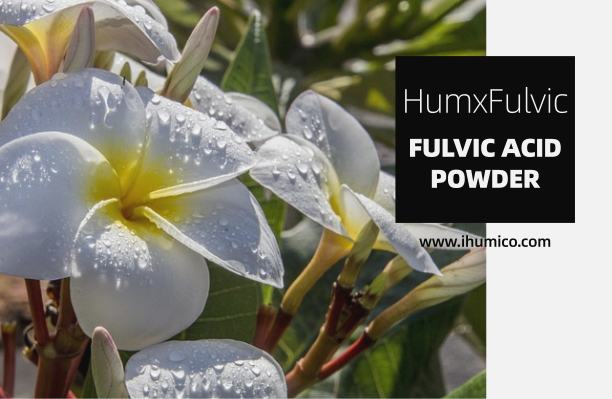
Organic fertilizers, such as compost or well-rotted manure, humic acid, fulvic acid, amino acid, and seaweed extract, nourish plumerias gradually and boost soil vitality. For plumeria growers who prefer to go chemical-free, using quality fertilizer options can build their soil over time. There are many organic brands with wonderful slow-release mixes that feed for weeks, which is particularly beneficial for plumerias in pots, as it avoids nutrient spikes. Check the brand always; not all organics are created equal!
4. Synthetic Choices
Chemical fertilizers, deliver rapid feedback and perform nicely if you want instant flowers or have to do triage. They’re typically marketed for tropical plants, making it easy to find one that suits beloved plumeria plants. Follow the directions carefully: too much can burn roots or leaves, leading to weak blooms. A few gardeners use both: synthetic for a boost and organic for long-term health.
When to Fertilize Plumeria
Plumeria plants thrive when the application of plumeria fertilizer aligns with their natural growth cycle. Timing is crucial, as fertilizer should be applied during active growth rather than dormancy. By tailoring your fertilization schedule to climate and plant signals, you can enjoy strong roots, abundant foliage, and beautiful blooms. Monitor your plumeria’s growth to fine-tune your strategy for optimal care.
Awakening Season
- Checklist for Early Season Care:* Begin watering regularly as temperatures climb above 15°C, but no soggy soil.
- Fertilize with a balanced fertilizer that’s lower in nitrogento prevent excessive leaf growth.
- Check sunlight – plumeria require bright light to come out of dormancy.
- When to fertilize plumeria—watch for new shoots—they’re your cue for that first feeding.
- Continue to monitor soil moisture and maintain slightly damp, not wet.
Early in the season, right after dormancy ends (typically April), plumeria begin to rouse. This is the ideal time for plumeria growers to use plumeria plant food that has a balanced nutrient profile, particularly with lower nitrogen levels, as the plant isn’t growing rapidly yet. Observe the weather: only begin fertilizing when nights are reliably warm and new growth appears, ensuring healthy root development without overwatering, which can hinder growth.
Peak Growth
Plumeria require more nutriment when they grow fastest, typically late spring through summer. During this peak growth, increase fertilizer to once a month. A bloom booster or high phosphorus mix helps sustain flowering. Watch your plant: more leaves and buds mean it is using up nutrients quickly.
You might need to adjust your fertilizing frequency if you use slow-release versus liquid fertilizers. Some gardeners go every six weeks with slow-release, while monthly is common for liquids. Water well after feeding to encourage the roots to absorb nutrients. Observe leaf color and flower count. Yellowish indicates too little food, while burned tips indicate too much.
Pre-Dormancy
| Month | Fertilizer Frequency | Application Rate | Action |
| August | Once every 4–6 weeks | Standard | Lower nitrogen, prep roots |
| September | Once, then stop | Reduced | Cease feeding, monitor soil |
| October+ | None | None | No fertilizer, reduce water |
As days get shorter and nights cool, beloved plumeria plants decelerate. Late summer, switch to a quality fertilizer designed for roots, not blooms. By September, cease feeding altogether since plumeria need no additional nutrients when dormant, and over-fertilizing at this point can damage the plant. Soil should be just barely moist.
Proper Fertilizer Application
Plumerias require the correct plumeria fertilizer type and amount to maintain green leaves and vibrant flowers. How fertilizer is applied influences how much the plant can absorb and utilize, making the use of quality fertilizer essential for healthy growth and beautiful blooms.
Liquid Feeding
Liquid fertilizers, travel fast through the soil, right to the roots, which is essential for healthy growth during the plant’s growth or bloom phase. Most plumeria growers will use a water-soluble mix of 15-15-15 or 11-12-14, applying it just once a month while the plants are active. If you opt for liquid plant food, always dilute it as the label instructs, as excess can burn roots. This technique supports plumeria cultivation by ensuring the plant receives vital nutrients during critical periods, especially in spring and summer. Some growers try foliar feeding, spraying a diluted mix on healthy leaves for an instant boost, but this should be done with caution to avoid leaf burn.
Granular Method
Granular fertilizers are for slow-feeding. They provide nutrients over weeks and are therefore an excellent selection for consistent growth. Something balanced like 15-15-15 or low nitrogen such as a 6-20-20 early in the season will do the trick. Stir granules into soil at planting or repotting. Water deeply after applying granules to carry nutrients to roots. Every 6 weeks during the growing months (April – September) monitor soil moisture frequently. If it is too dry, the grains won’t decompose. If it is too wet, roots can rot.
Some gardeners prefer different NPK ratios, such as 3-1-2 or 2-1-2, to suit their plumeria’s requirements. Don’t feed before April or after September because the plant is dormant.
Foliar Spraying
Foliar sprays deliver essential nutrients directly into the leaves, which can quickly correct small deficiencies, especially if the plant is showing signs of yellowing or stunted growth. For effective plumeria care, spray only during the growing season, ideally in the early morning or late afternoon when the sun is not strong, and evaporation is minimized. Use a diluted mix of liquid plumeria fertilizer and test for leaf reaction. If leaves spot or curl, skip the next round or make it weaker. Adjust the recipe if you notice symptoms indicating a nutrient deficit, such as yellowing leaves or poor growth.
Beyond the Fertilizer Bag
Plumeria care involves more than just selecting the right fertilizer bag; using quality fertilizer, can significantly enhance growth. The right mix—such as a 6-20-20 early in the season or a balanced 15-15-15 for plants in the ground—is essential. Additionally, considering factors like soil pH and water quality is crucial for how beautifully plumerias grow and bloom.
Soil pH
Regularly testing your soil pH is crucial for plumeria cultivation! Plumerias thrive in a slightly acidic to neutral pH, ideally between 6.0 and 7.0. If the pH drifts too high or low, even the best plumeria fertilizers won’t allow the plants to absorb all the nutrients they need. To lower pH in overly alkaline soils, consider using elemental sulfur, while lime can raise it if too acidic. These transformations take time, so consistent monitoring is essential for maintaining a stable environment.
Nutrient absorption is closely linked to pH levels. For plumerias, maintaining pH within the ideal range supports the effective use of fertilizer, which encourages beautiful blooms. Regular soil testing is vital to catch any changes that could impact your plants’ health and growth.
Water Quality
Water definitely can or can’t help plumeria health. Hard water with excess minerals or salts can build up and block roots from absorbing food. Contaminants such as chlorine or metals can stunt growth or damage. Clean rainwater or water run through a filter works best for most plumerias.
Watch water pH as well. If it’s a lot different than neutral, it could alter soil pH over time. Modify your watering if necessary. Allow tap water to stand overnight to dissipate chlorine or dilute it with rain water. These little measures maintain the soil well.
Epsom Salts
Epsom salts provide plumerias a boost of magnesium and sulfur, which they require for producing chlorophyll and robust blooms. Mix Epsom salts in water, roughly 5 grams per liter, then drench it into your plant’s roots once a month throughout the growing period.
Just observe how your plumerias react! Leaves must remain green and flowers bright. If not, cut back on Epsom salts. It’s an easy measure that will give your plants a leg up on health and longevity.
Common Nutrient Deficiencies
Plumerias, like all flowering plants, require balanced nutrition for healthy leaves, strong stems and blooms. When any essential nutrient is lacking, symptoms appear quickly and can damage the plant’s vigor or appearance. Knowing how to identify these signs early and responding quickly is crucial for plumeria care.
Symptoms of Nutrient Deficiencies in Plumerias:
- Yellowing or browning of leaves
- Stunted or slow growth
- Weak or brittle stems
- Fewer or no blooms
- Leaf edge discoloration
- Poor root development
Yellow Leaves
Yellow leaves on plumerias often indicate a nitrogen shortage, while potassium deficiency may cause edges to turn yellow and brown, leading to weak stems. To promote healthy growth, examine your watering routine and soil quality, as excessive or inadequate watering can exacerbate these issues. Using plumeria fertilizers can help, but always check the N-P-K ratio. Additionally, regulate soil pH between 6.0 and 7.0 to ensure plants can effectively absorb nutrients.
Stunted Growth
When plumerias cease to thrive or appear ‘weak,’ it’s typically indicative of nutrient deficiencies or poor soil quality. To ensure healthy growth, roots require air and adequate drainage, so do not allow soil to remain saturated. Check your soil for mineral deficiencies and consider using a quality fertilizer to build vigor. Plumerias, like most tropical plants, require a minimum of sixteen mineral nutrients, and lacking just one can hinder their growth. Maintain a consistent feeding regimen, utilizing both slow-release fertilizers and, if necessary, liquid plumeria fertilizer for an immediate boost. Monitor new growth and root health as you implement these changes.
No Blooms
If plumerias aren’t blooming, it usually indicates a phosphorus deficiency or nutrient imbalance. High-phosphorus fertilizers, aid bud set, but only if the pH remains 6.5 to 6.8. Additionally, too much shade or not enough water can keep flowers from forming, so check those, too. Micronutrients like iron and zinc, although required only in trace amounts, are crucial for achieving blooms. Soil tests uncover what’s lacking, and a consistent diet of quality fertilizer and attention elicits the most impressive flower show. Patience is a virtue; occasionally, plants simply require a season to recover.
Conclusion
To cultivate robust plumerias, select a balanced fertilizer with a tad extra phosphorus. Look for one with obvious numbers like 10-30-10. Feed in the warm season, approximately every two to four weeks. Be sure to water before and after feeding to protect roots. Be wary of yellow leaves or slow growth. These indicators could imply the plant requires additional nutrients or a care adjustment. Clean tools and good soil contribute a great deal. Healthy plumerias flaunt enormous leaves and brazen flowers. For additional advice or anecdotes from other gardeners, participate in a local garden club or web forum. Post your own tips or pics, and assist others in achieving the most from their plants.
Frequently Asked Questions
What is the best type of fertilizer for plumeria plants?
A balanced fertilizer which contains equal parts nitrogen, phosphorus, and potassium, such as a 10-10-10 NPK, works best. Consider using slow-release or water-soluble varieties for consistent feed.
How often should I fertilize my plumerias?
To promote healthy growth and beautiful blooms, use plumeria plant food every 2 to 4 weeks during their growing period in spring and summer, and cease fertilizing in late autumn.
Can I use organic fertilizer on plumerias?
Yes, you can use organic fertilizers such as compost or well-rotted manure for plumeria cultivation. These enhance soil biology and provide long-term nutrition, making them a quality fertilizer option for beautiful blooms.
What are signs of nutrient deficiencies in plumerias?
Yellow leaves, weak blooms, or miniaturized growth indicate that your beloved plumeria plants lack essential nutrients. Frequent use of plumeria plant fertilizer helps maintain robust growth and beautiful blooms.
Is it possible to over-fertilize plumerias?
Yes, using too much plumeria fertilizer can hurt roots and cause leaf burn; always apply according to package directions and never exceed the recommended amount.
Do plumerias need micronutrients?
Plumerias love micronutrients such as magnesium and iron, so use plumeria plant fertilizer for healthy growth.
When is the best time of day to apply fertilizer to plumerias?
Fertilize in the morning or late afternoon to ensure healthy growth; avoid fertilizing during the hot hours to prevent burning the roots and leaves.
Article Written by Humico | Organic Fertilizer Manufacturer
Original article source: https://www.ihumico.com/plumeria-fertilizing/


